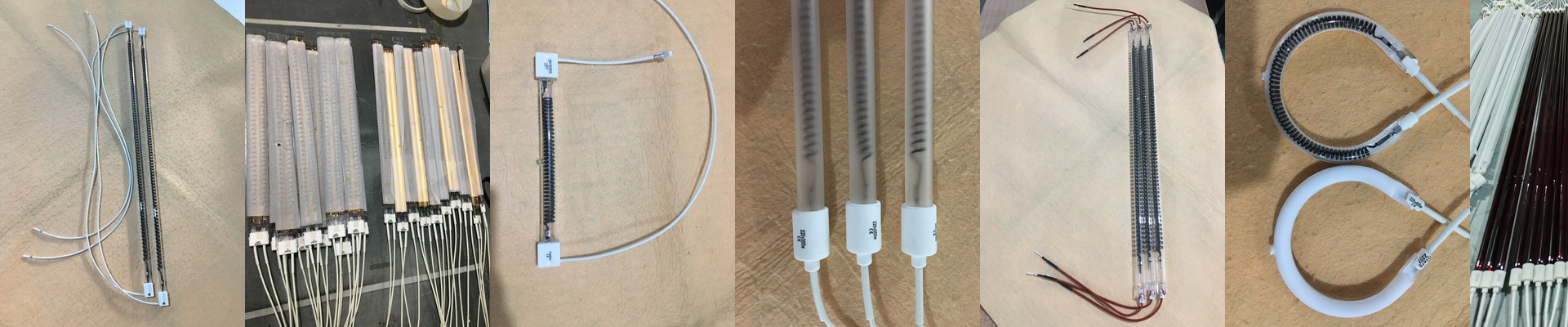
Getting Your Heating Exactly Right
We don’t just slap together heaters. We spend our time messing with the electromagnetic spectrum. In the lab, we aren’t looking for “general heat”—that’s too vague. We’re hunting for the exact wavelength of light that your specific material actually wants to soak up.
Why Spectral Matching Matters
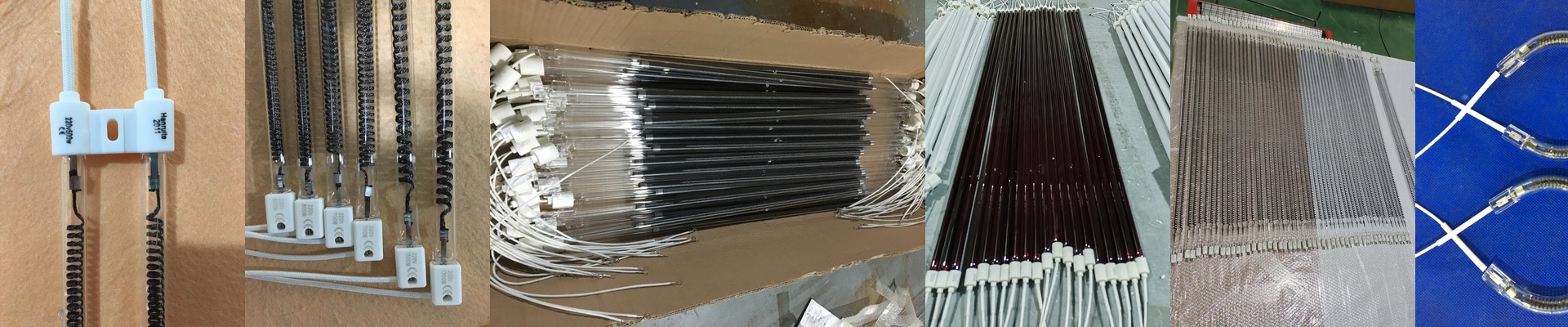
If you’re relying on convection to heat electronics, you’re fighting a losing battle. We use short-wave infrared (SWIR) because it basically ignores the air and slams right into the substrate. Here is how we do it: we tweak the filament and the gas pressure inside the quartz envelope to shift where the energy peaks. Think about it this way. If your material only absorbs light at 1.1 microns, a standard lamp is just wasting 60% of its power on light that does nothing. We build the lamp to cram all that energy into that one narrow window. It’s a balancing act, though. The more precise we get with the spectrum, the more you have to watch your voltage. If you aren’t careful with the regulation, you’ll burn the filament out under all that power density.
The Hardware Side of Things
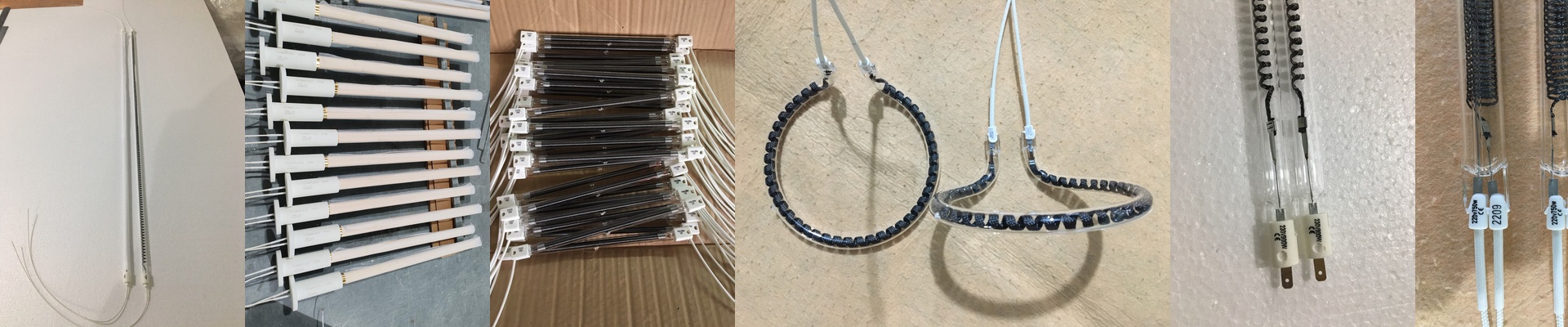
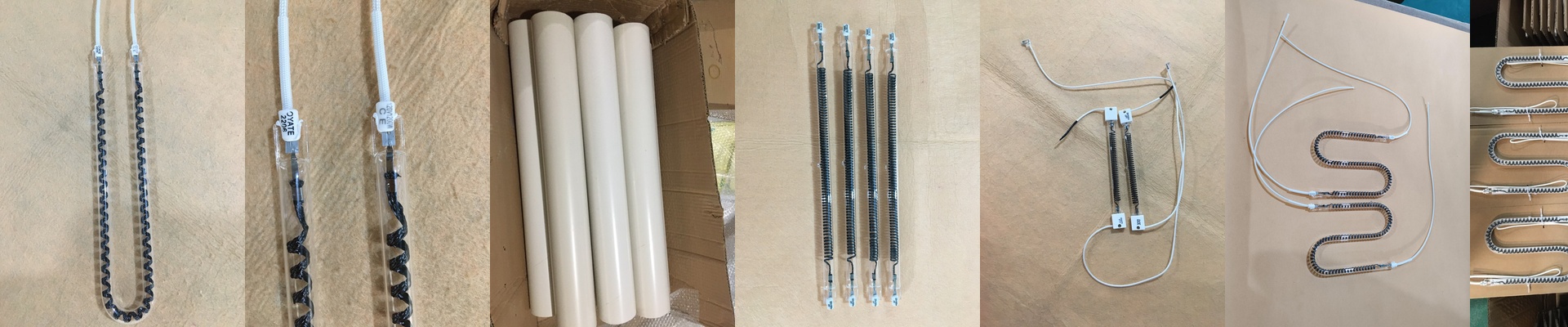
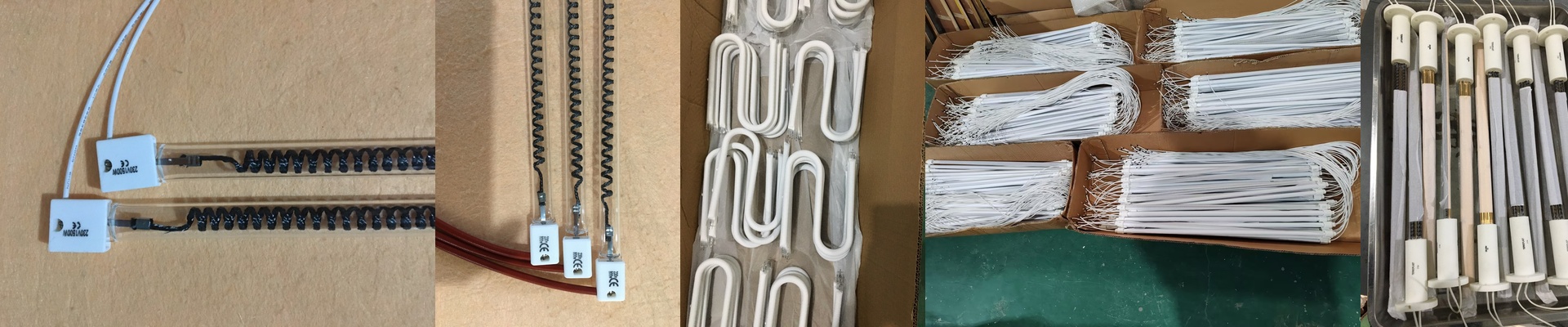
The tricky part isn’t actually the lamp. It’s the coating. We apply these thin-film layers to the quartz to act as a filter, blocking the wavelengths you don’t need. It’s a huge relief when you realize your machine’s outer casing stays cool while the internal component is getting exactly the heat it needs. We also use high-purity synthetic quartz. Why? Because regular glass clouds over or warps over time. We need the light beam to stay exactly where we put it. We’re talking about focal point tolerances measured in millimeters.
Putting It to Work
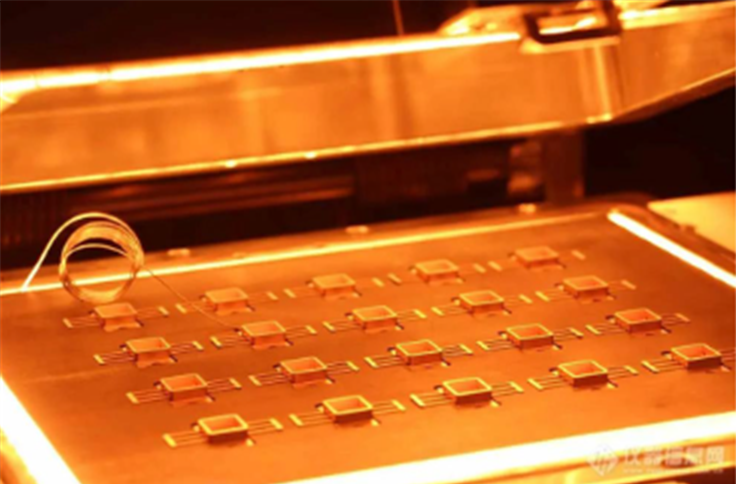
Once you wire these into your setup, you’ll notice the ramp-up time is way shorter. The energy transfer is direct, so the thermal response is almost instant. But a heads-up: these lamps are intense. They create a massive amount of localized heat. Make sure your cooling fans and heat sinks are up to the task. If you don’t account for the reflected energy, you’re going to end up with warped mounting brackets, and nobody wants to deal with that.