Getting Heat Right in Electronics
Let’s be honest: most people think heating is just about hitting a number on a screen. But if you’re running a high-volume line, you know it’s a lot messier than that. It’s not about “turning up the heat”—it’s about putting the exact amount of energy exactly where it needs to go, down to the micron.
The fight against hot spots
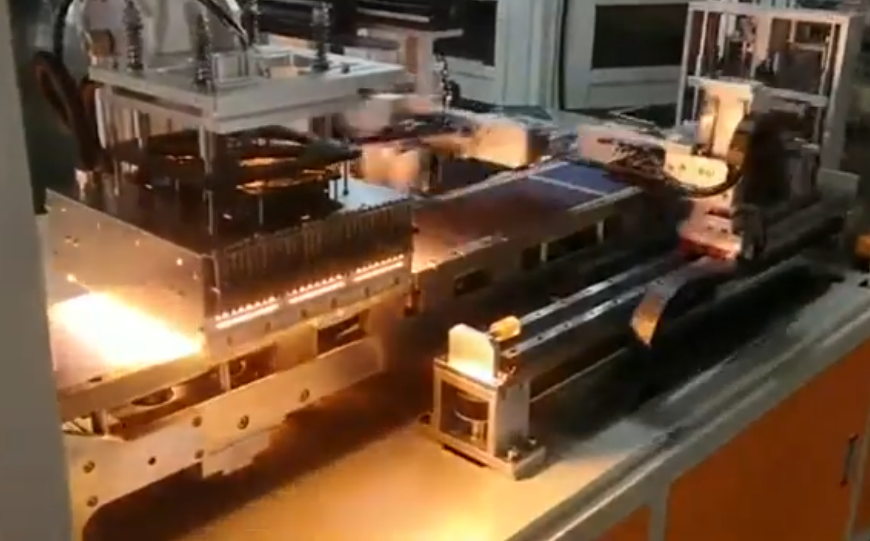
We’ve all seen it. Standard heating elements love to create hot spots. One minute you’re fine, the next you’ve got a warped PCB or a fried semiconductor. It’s a nightmare. The trick is to flatten that temperature profile. We play around with the wattage density and the gap between the heat source and the board. When you get that balance right, a 300mm wafer or a packed SMT board hits the perfect reflow temp. No scorched edges. No wasted parts. Just a clean, even bake.
Picking your tools
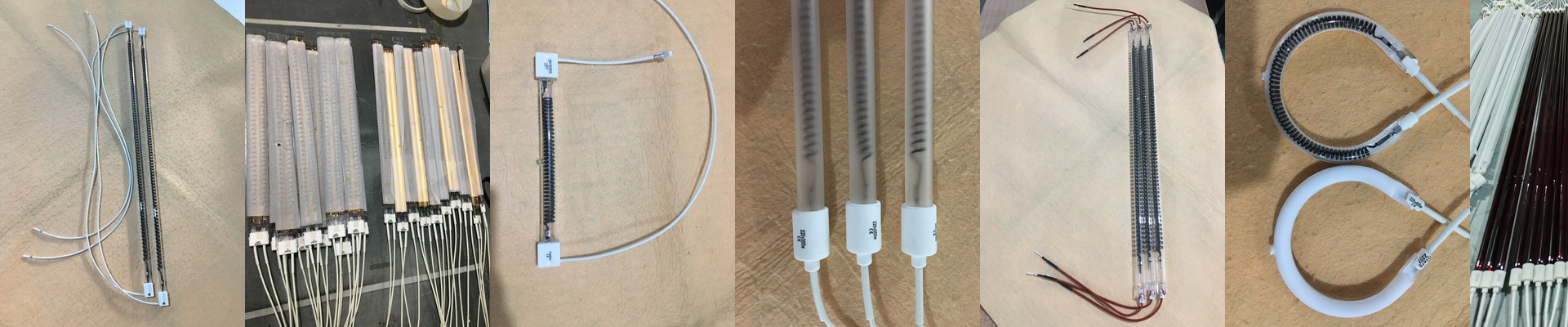
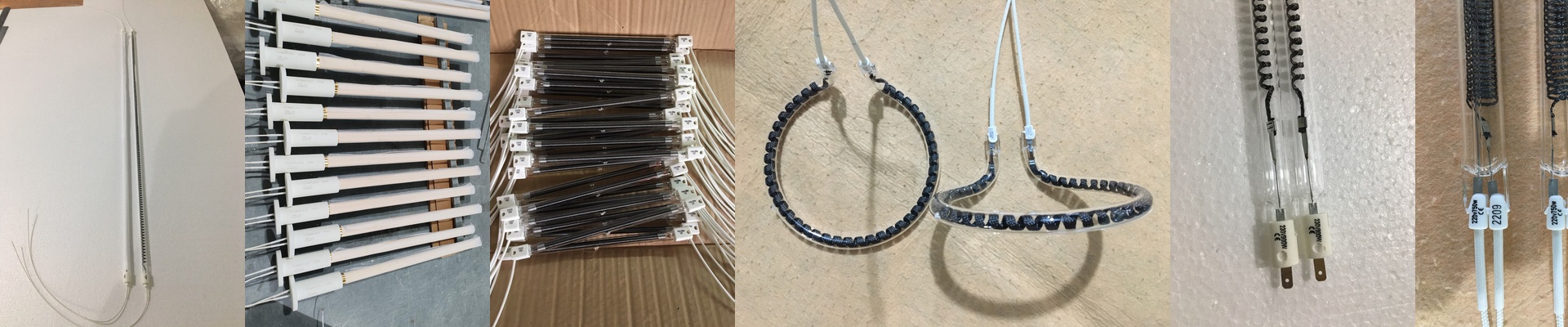
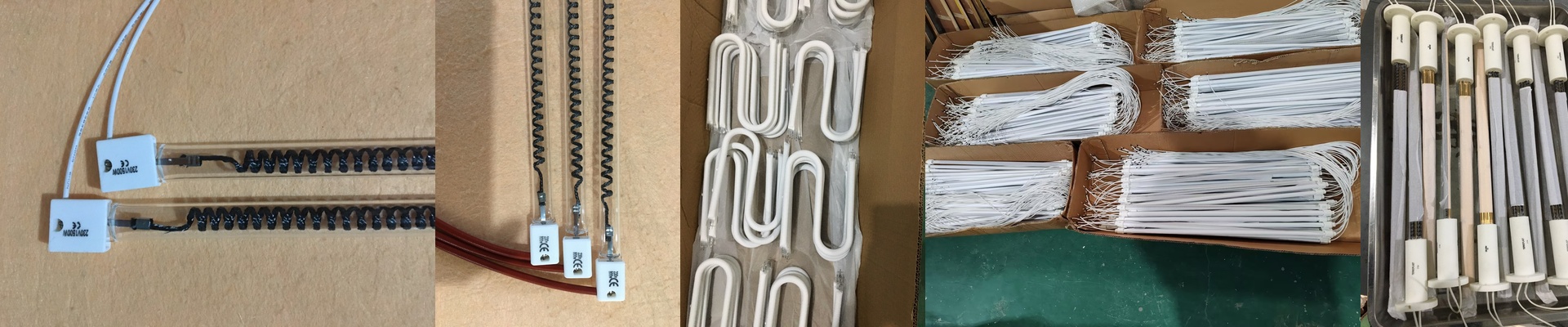
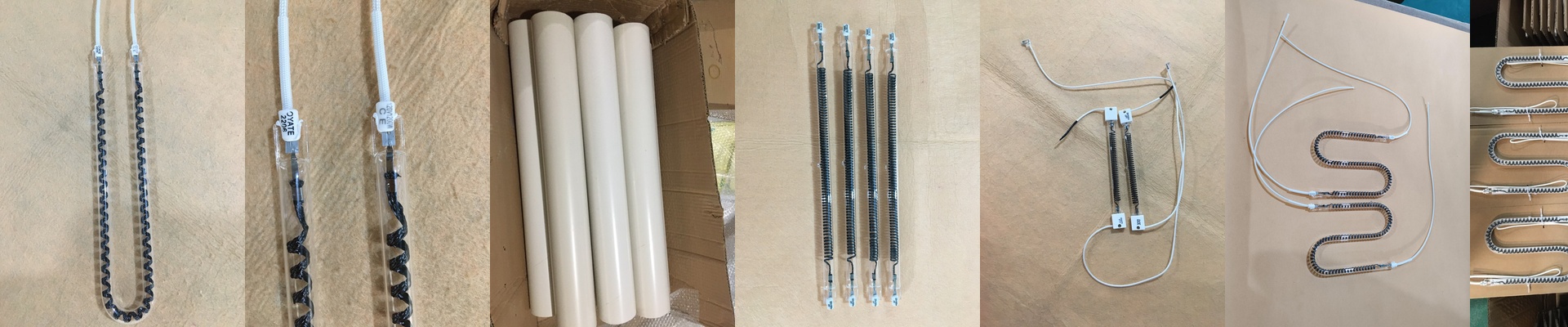
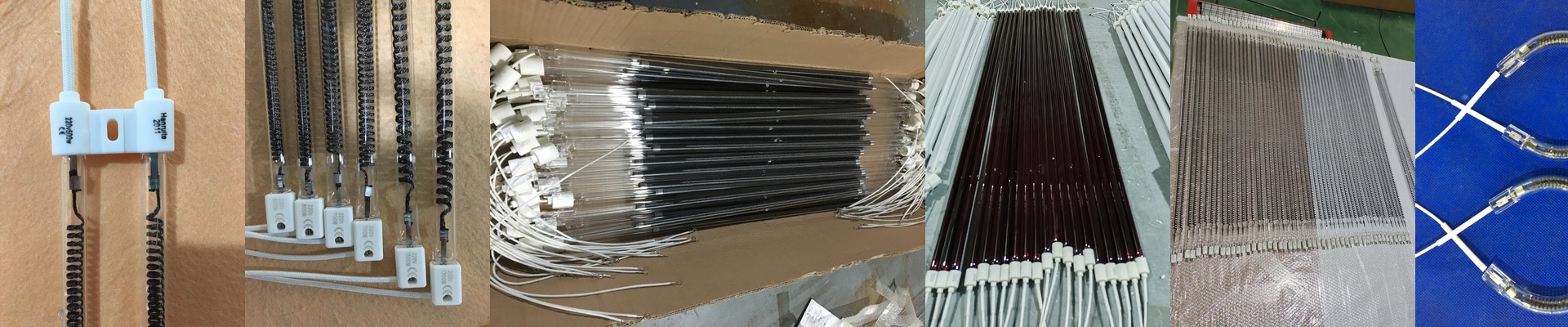
The hardware you choose changes everything. If you go with a quartz-halogen tube or a ceramic heater, you’re deciding how fast you ramp up. I’m a big fan of shortwave infrared (SWIR) because it actually sinks into the material. It doesn’t just toast the surface; it gets deep. Plus, we use specific coatings to make sure the energy actually “sticks” to the material you’re working with. But here’s the catch: you can’t just crank the power. High-density emitters are fast. Really fast. But they dump a ton of heat into your system. If your ventilation isn’t up to the task, that heat bleeds into the chassis and your components start to drift. It’s a balancing act.
Making it work everywhere
The real test is when your process has to work in a factory in Taiwan and a plant in Germany at the same time. That’s why we obsess over the boring stuff—voltage tolerances and standardized connectors. It stops the “oops” moments during field installs. When a technician swaps out a heating element, the thermal footprint should be identical to the one it replaced. It sounds simple, but that consistency is the only thing keeping your yield from tanking during a mass production run.