Getting Your Industrial Heating Right: The Lowdown on Carbon Fiber Lamps
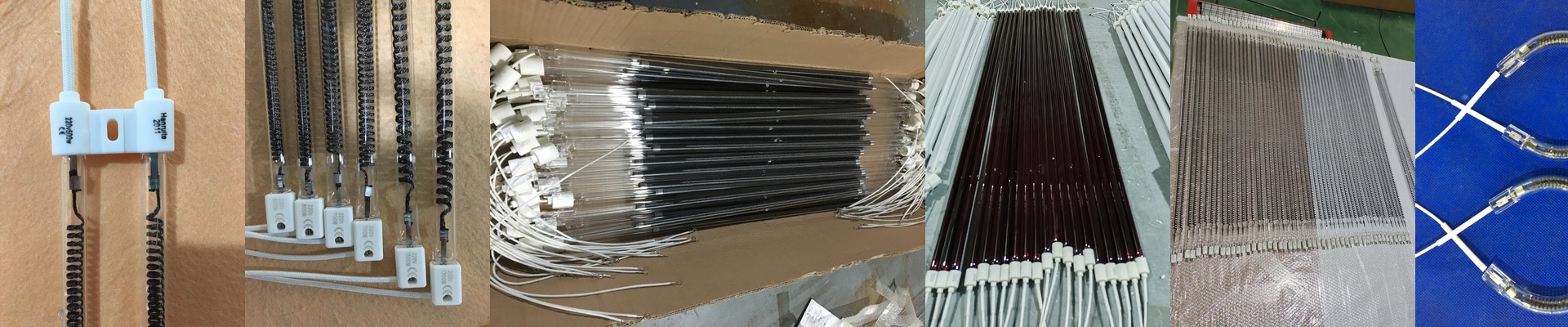
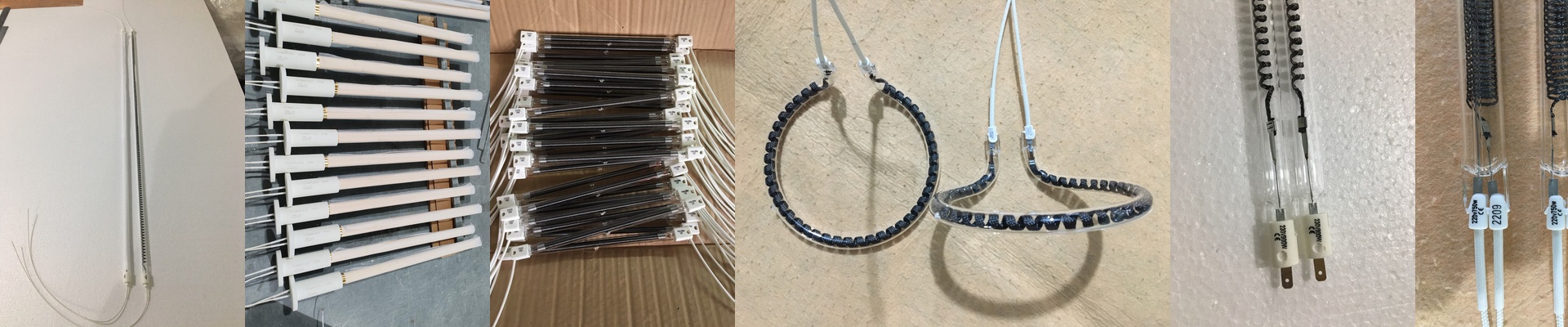
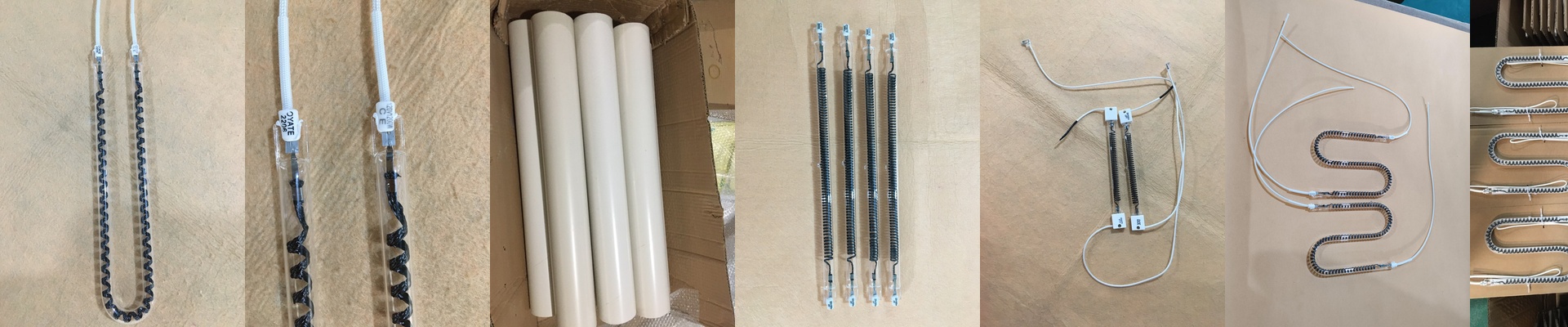
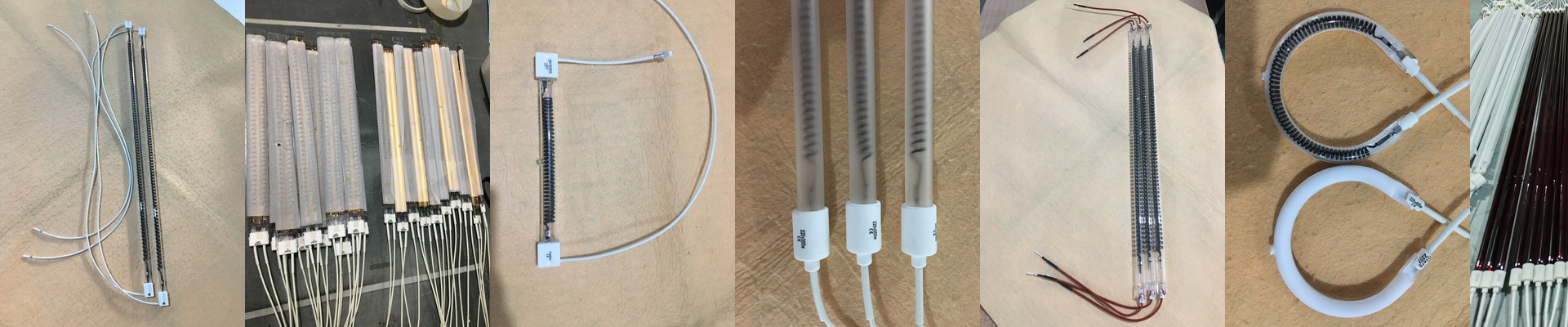
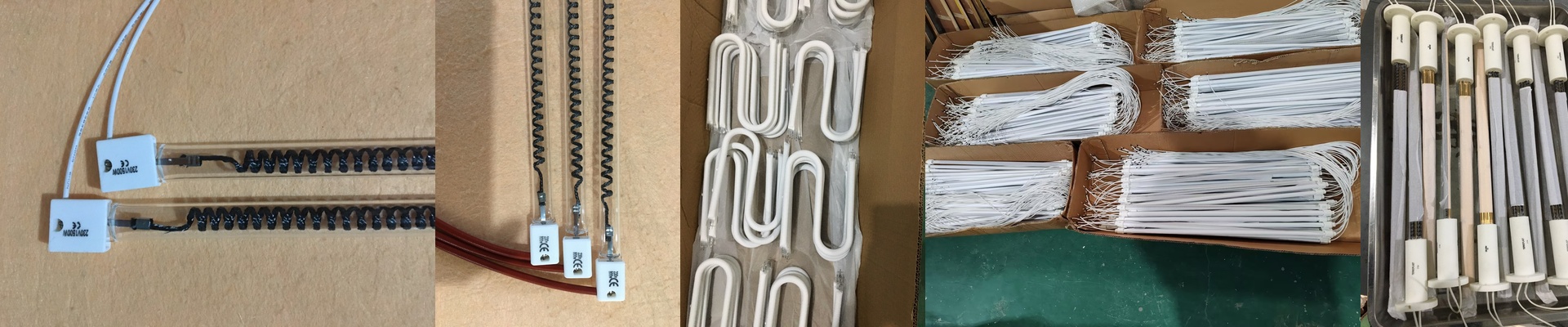
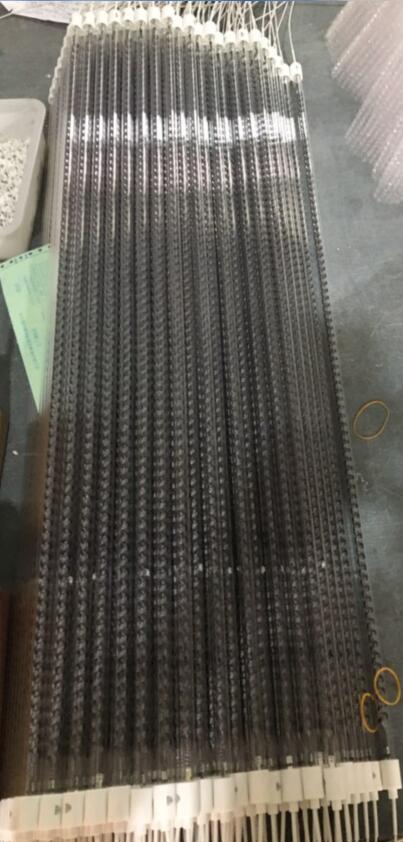
We build carbon fiber infrared lamps for those high-intensity jobs where you just need things to get hot, and get hot fast. Instead of your typical quartz heater, we use a carbon fiber filament tucked inside a quartz envelope. The real magic here is how the heat moves. It doesn’t just sit on the surface; it digs deep into your materials. That’s why these are the go-to for anyone running plastic welding or curing lines. Let’s talk power. You’ve got to make sure your power supply actually matches the wattage and voltage of the tube you’re using. These high-wattage lamps pack a serious punch in a tiny space, which is great because your ramp-up time practically disappears. But a word of caution: if you’re running a high-voltage setup, double-check your wiring and contactors. You don’t want them overheating. Also, keep an eye on your circuit breakers. There’s often a big current surge right at the start, and nobody likes a “nuisance trip” shutting down the whole line. The tech inside (and a pro tip) One thing I love about carbon fiber is that it doesn’t sag like metal filaments do. This means your heat stays even from one end of the tube to the other. No cold spots. We use standard connectors—think R7s or Sk15—so you can just pop these into your existing machines without a headache. We also use a specific quartz glass that lets the infrared radiation pass through easily. **Here is the most important part:**when you’re installing these,**don’t touch the glass with your bare hands.**The oils from your skin stay on the quartz, create hot spots, and can actually kill the tube way before its time. Use gloves. The trade-offs These lamps are absolute beasts for PET blowing or drying automotive paint. They hit your target temp almost instantly. The catch? They’re a bit moody when it comes to voltage. A sudden spike in your line can fry the filament. To keep things steady, pair them with a solid PID controller. It keeps the temperature in a tight window so you don’t scorch your materials, but you still keep the speed you need to hit your quotas.