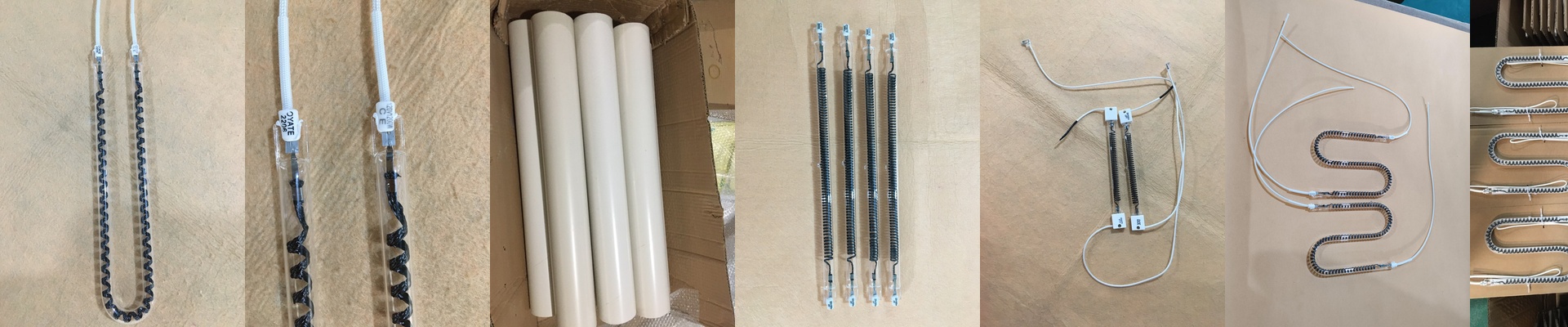
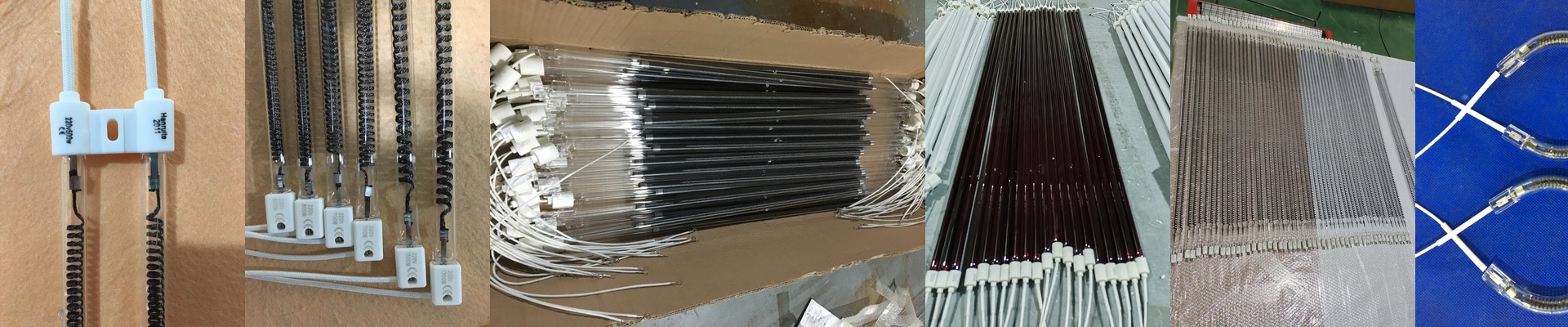
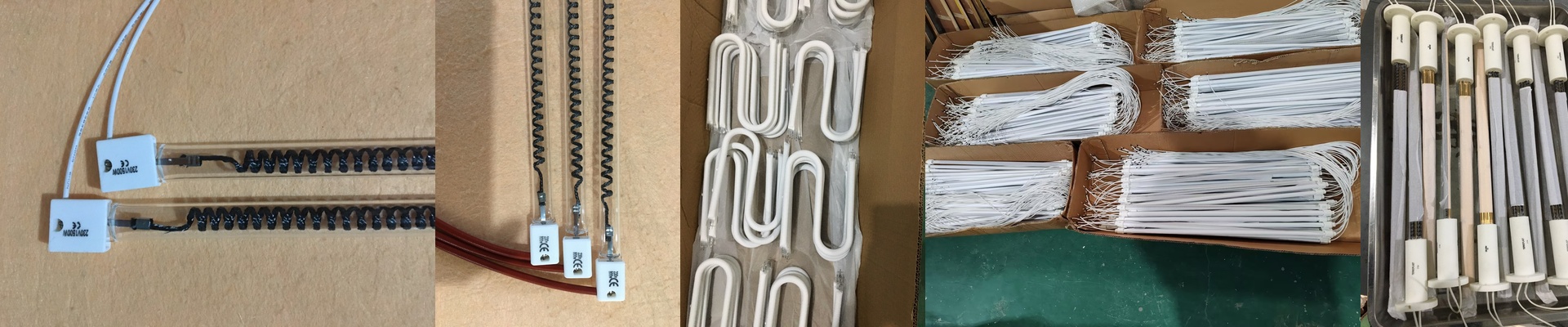
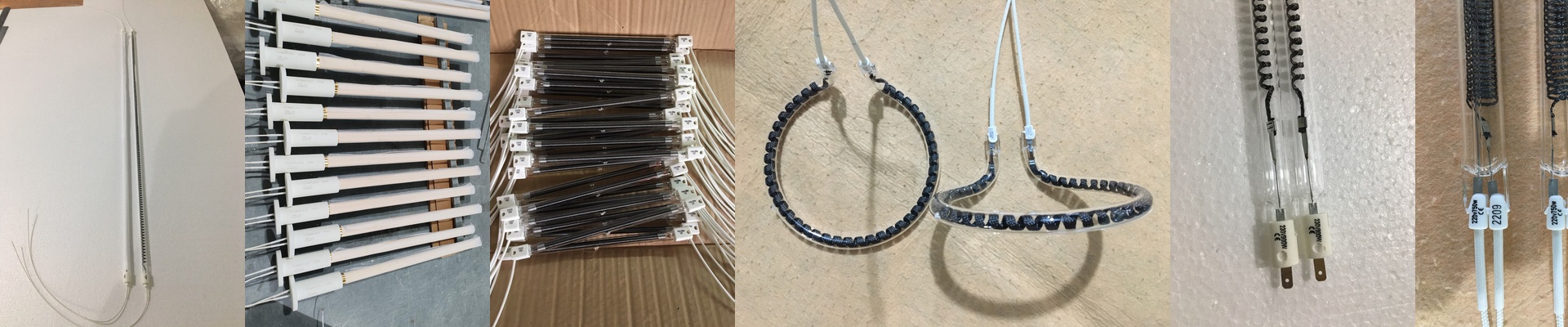
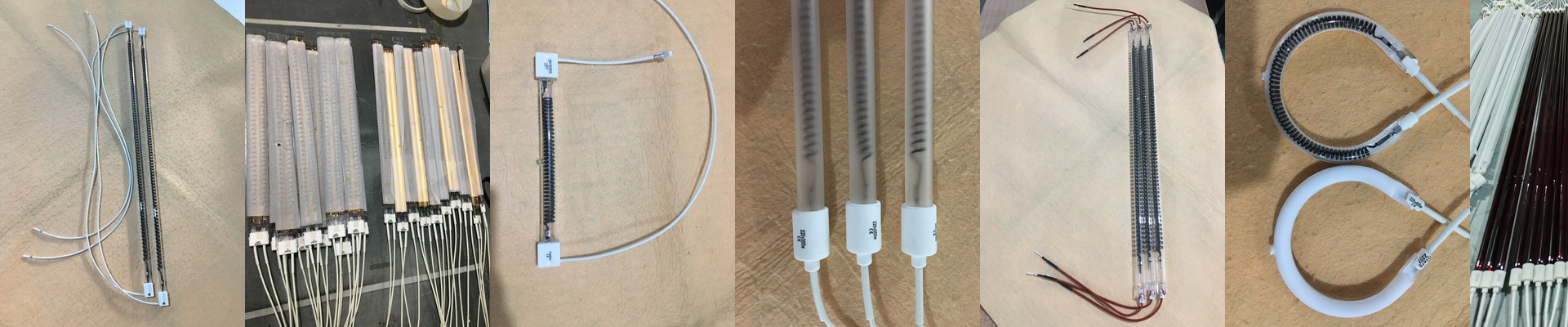
Let’s talk about Carbon Fiber Quartz Lamps
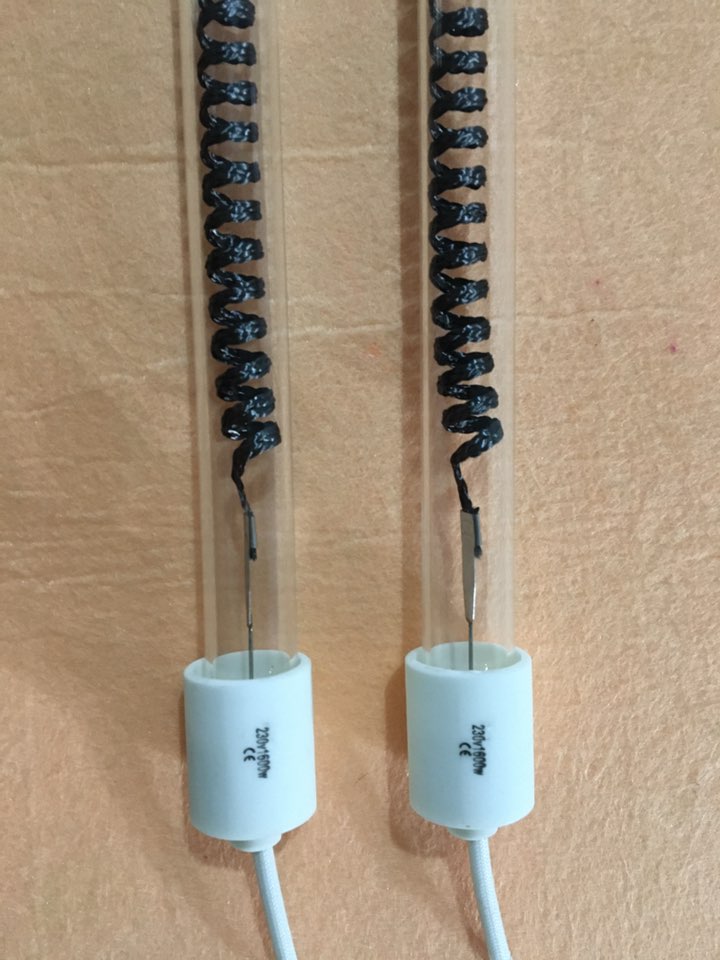
Ever wonder why some heaters just scorch the surface while others actually get the job done? It comes down to the guts of the thing. We use carbon fiber filaments tucked inside high-purity quartz glass to create far-infrared (FIR) radiation. Here’s the secret: carbon fiber handles heat way better than those old-school metal coils. It pushes out a longer wavelength, which means the heat actually sinks deep into your material. You aren’t just burning the top layer; you’re heating the core. Getting the power right The heat you get depends on your voltage and wattage. If you need a rapid ramp-up, go for the high-wattage tubes. They hit operating temperature in a matter of seconds. But a word of warning:**be obsessive about your power supply.**Match it exactly to the lamp’s rated voltage. If you over-volt the filament, you’re basically asking it to burn out early. It’s a quick way to waste money. The build quality That quartz envelope isn’t just for show. It keeps the carbon element from oxidizing and lets the infrared radiation pass through without losing its punch. We offer a few different end-cap options depending on your rig—whether you’re using R7s or industrial pins. Just make sure the connection is tight. A loose contact creates a hotspot, and before you know it, you’ve melted your sockets. Not a great look. Where this actually works You’ll see these lamps everywhere in PET bottle blowing, paint curing, and industrial drying because they spread heat evenly across the whole area. Now, there is one trade-off. These don’t get as hot on the surface as short-wave halogen tubes. You lose that “instant sear” feeling, but you gain that deep penetration. If you need a lightning-fast surface flash, go with a short-wave lamp. But for deep-core heating or gentle drying? This is your best bet. One last tip: keep your reflectors clean. A little bit of dust on the mirror might seem harmless, but it’ll kill your efficiency faster than you’d think.