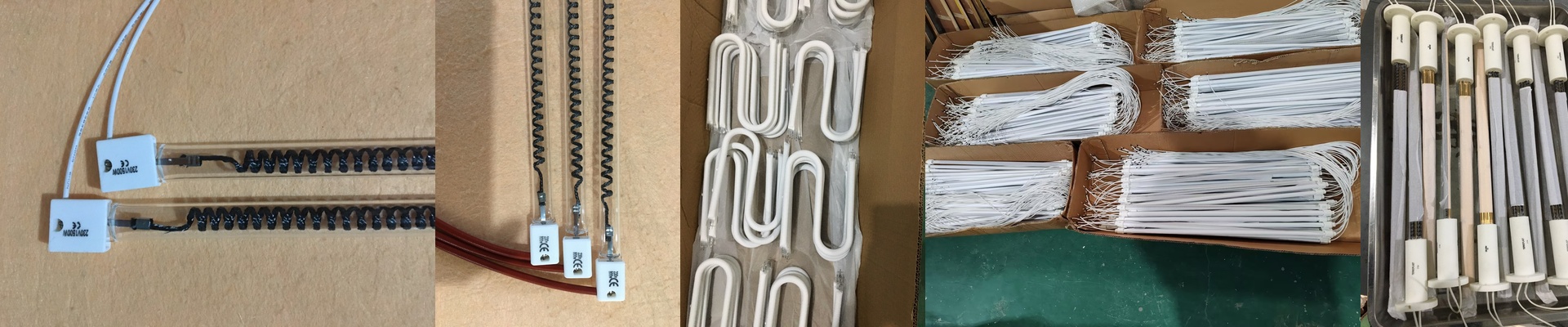
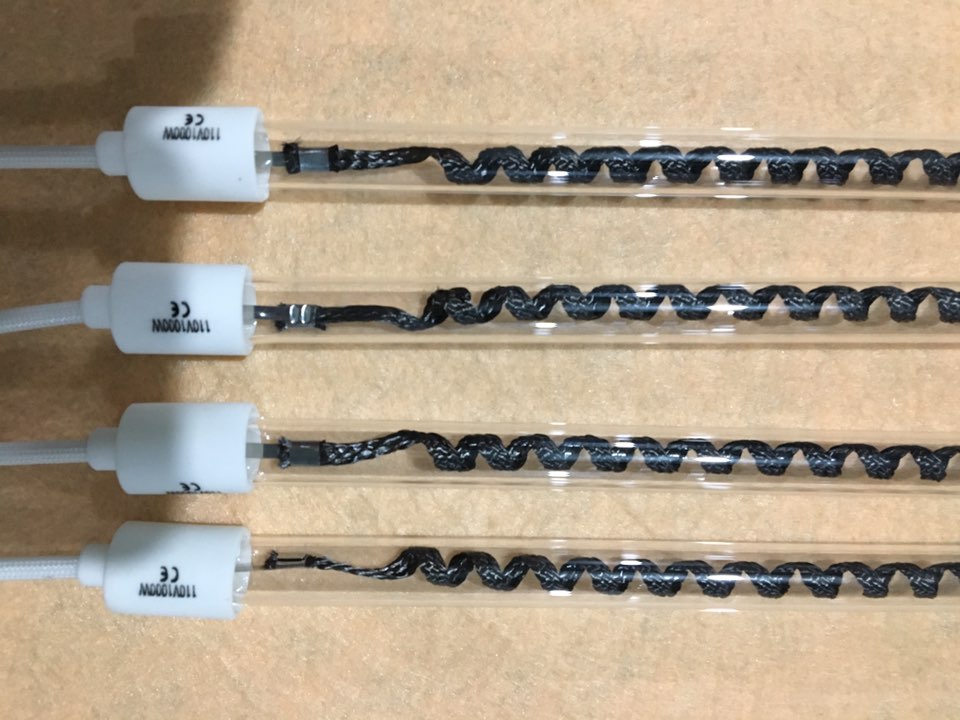
The 1000W Infrared Carbon Heat Lamp: Built for One Purpose
We built this lamp for one reason: to give you a heat source that’s focused, powerful, and under your control. This isn’t just another bulb. It’s a serious thermal tool, designed to pack a huge amount of heat into a surprisingly small space. The 1000W rating tells you how much power it draws, which directly translates to serious heat output. It’s the go-to power level for jobs that need you to get hot—fast. Think plastic welding, curing adhesives, or drying components. Fast, intense heat is the name of the game.
Power, Size, and the Real-World Trade-Off
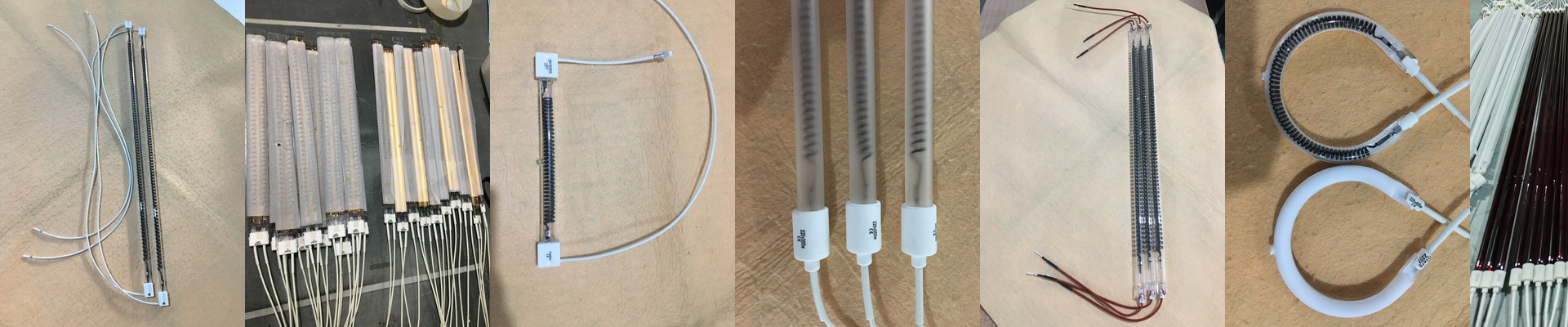
Okay, so 1000W is the headline number, but there’s more to the story. These lamps are made to run on specific voltages, usually 230V or 240V, so they’ll match the power setup in your plant. And the size? It’s surprisingly compact. A typical 1000W unit is about 118mm long with a 10mm tube diameter. That means you can fit a ton of heating power into tight spots where bigger heaters just won’t go. But here’s the thing to keep in mind. That 1000W output creates a lot of radiant heat. Your machine’s housing and cooling system need to be ready for it. If the enclosure is too small, you risk cooking the components nearby. So before you spec one out, just make sure you’ve got the space to handle the heat.
What’s Inside: The Simple, Tough Design
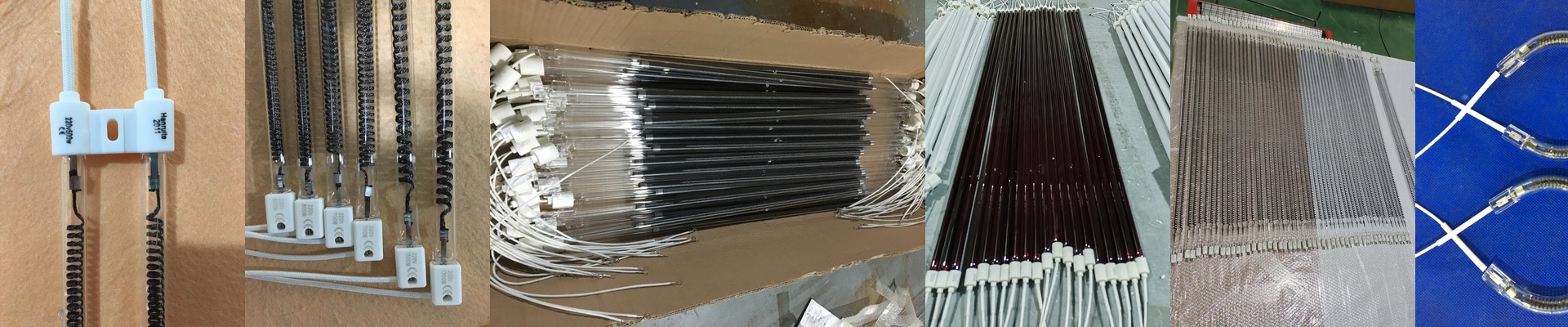
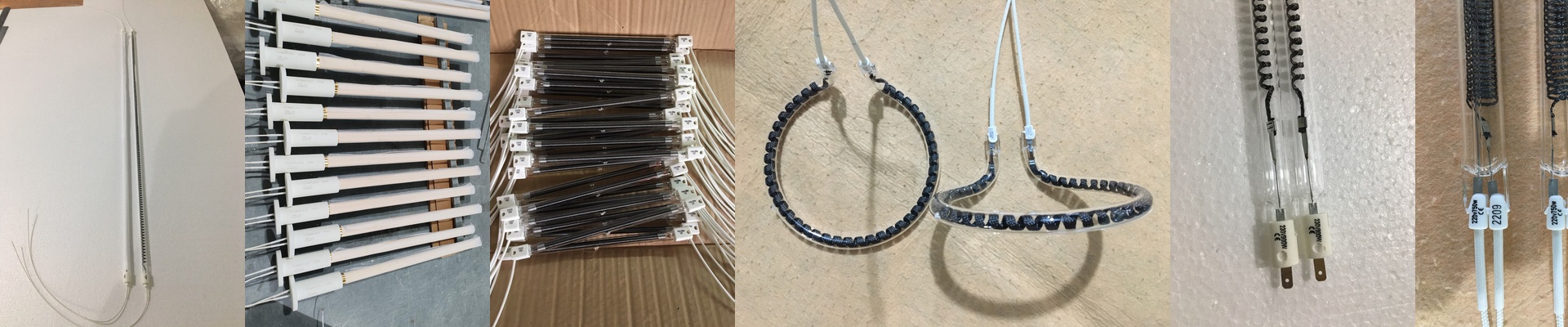
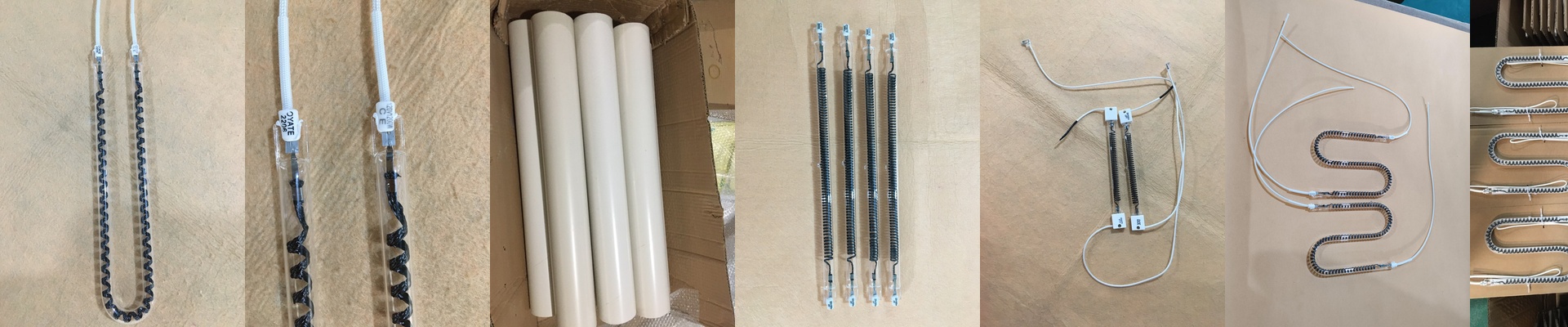
At the core of this lamp is the carbon filament, all tucked inside a quartz envelope. The carbon is what gives you that broad infrared spectrum, which really gets down into the material you’re working on. The quartz tube is tough as nails, handling those extreme temperatures without a problem. We use R7s connectors on these lamps. It’s the industry standard for a reason. This double-ended pin setup gives you a secure, high-temp connection that’s a breeze to wire up and swap out right there on the shop floor. The R7s base locks the lamp in place, so it won’t budge, even with all that vibration.
Why This Setup Works for the Grind
This whole design is built for the reality of industrial work. The 1000W output means you get rapid heat-up, which can seriously cut down cycle times on your production line. And because the infrared energy targets the product directly—not the air around it—you’re using your energy way more efficiently. And when it’s time for maintenance, the R7s connector makes it easy. When a lamp burns out, the replacement is a simple drop-in. No messing around with rewiring. No downtime. For engineers running a non-stop process, that reliability is everything. It’s the difference between hitting your targets for the day and scrambling to get a line back up and running. Plus, the carbon filament gives you a stable output, so you get the same repeatable results, shift after shift.