Introduction
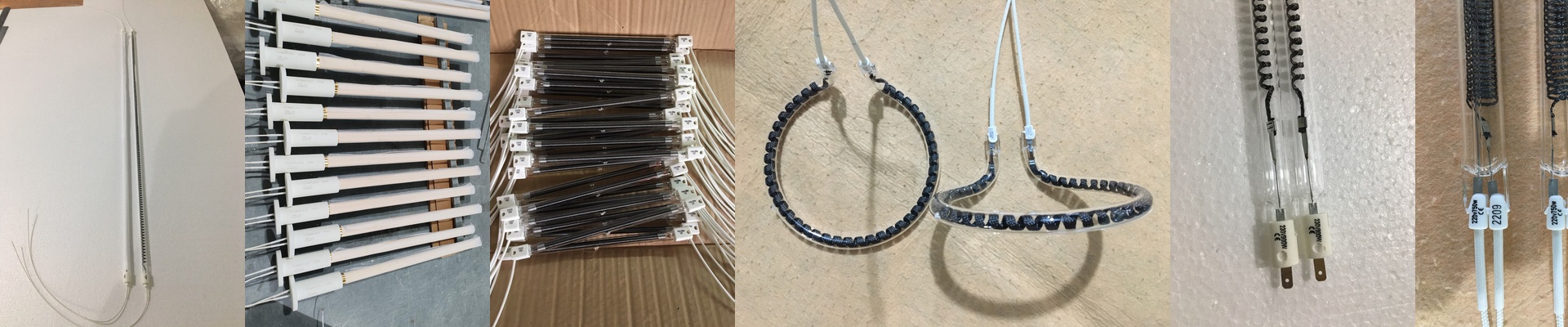
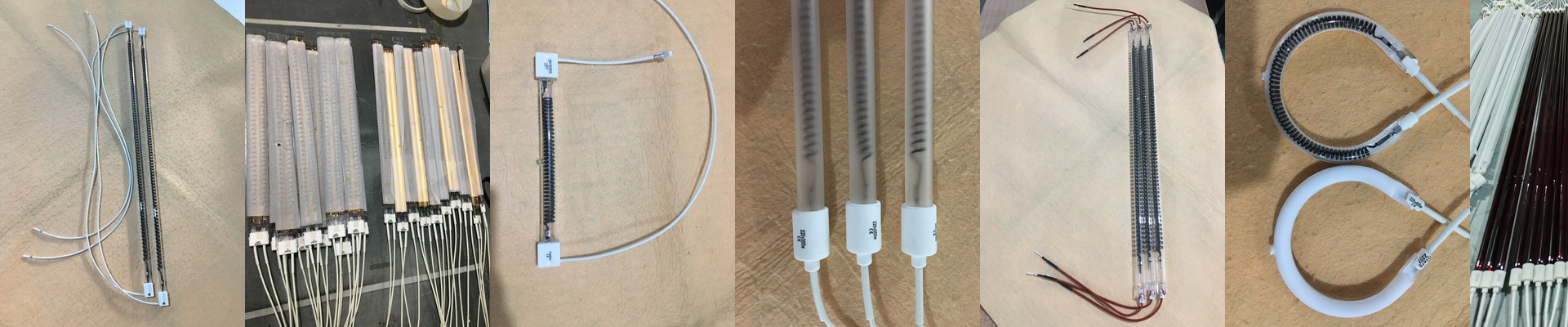
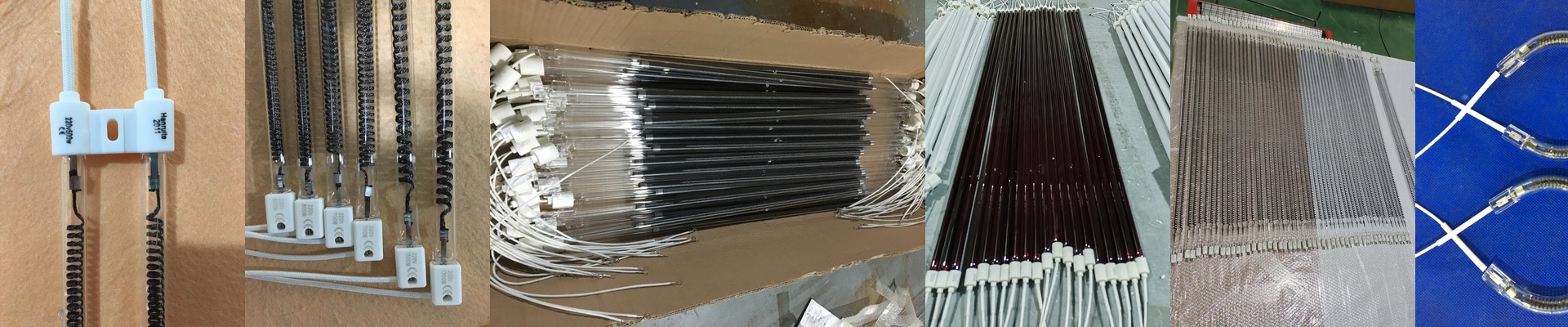
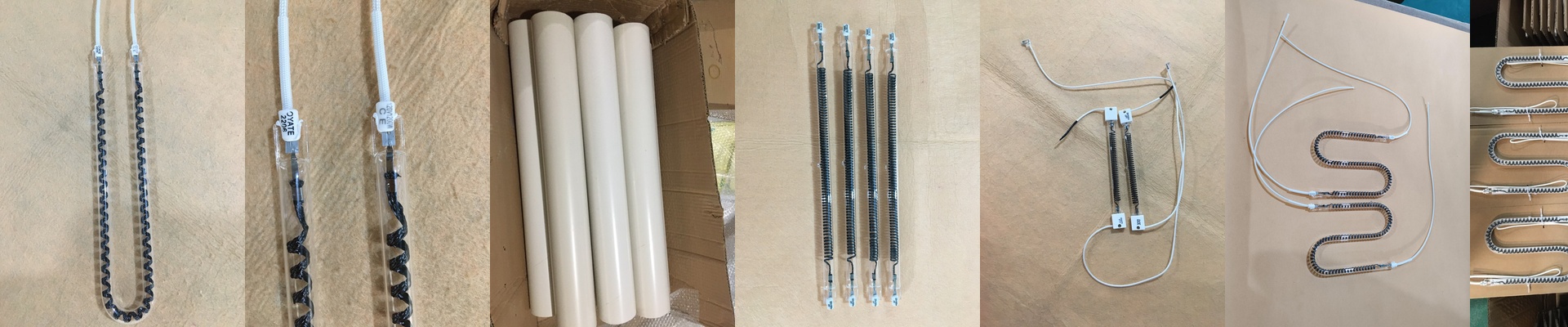
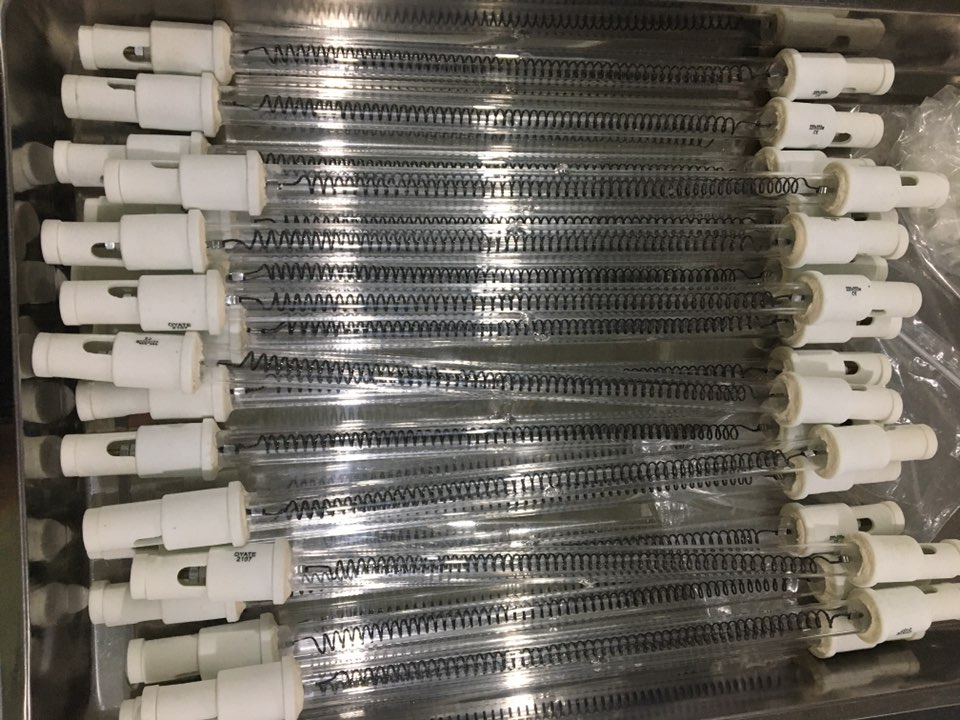
We built this 740mm, 220V, 1200W Quartz Carbon Heat Lamp for the tight spots—the places where you just can’t compromise on heat. It’s a shortwave infrared emitter, designed for the jobs that need heat, fast, and on repeat. Think plastic processing, coating lines, focused drying. The kind of work where you need heat that responds the moment you flip the switch.
What Makes It Tick
That 740mm length isn’t just a number. It gives you a longer emitter footprint, which spreads the heat more evenly and helps you avoid hot spots on the target. Paired with 1200W, you get serious heat density in a compact zone—warm-up is quick, and the temperature stays steady. And the 220V rating? We chose it because it lines up with the power supplies most industrial setups already have. So you can wire it in without redesigning the whole control panel or hunting around for extra transformers.
Built to Take the Heat
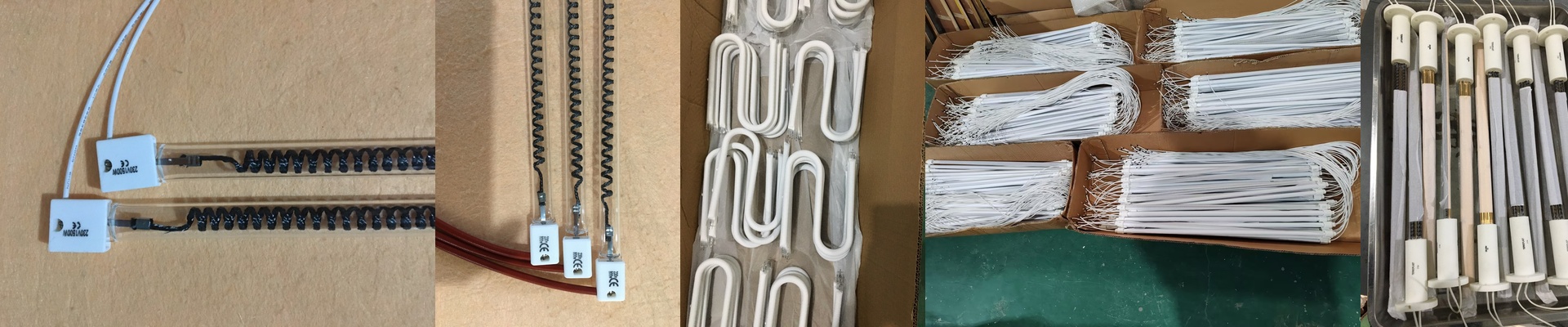
At the heart of it is a quartz envelope with a carbon filament—made to handle high heat and deliver infrared the instant you need it. Quartz is way tougher than standard glass when the temperature swings, so the lamp can cycle on and off without cracking under the stress. The carbon filament throws out a broad shortwave IR spectrum that gets absorbed really well by plastics and coatings. We also made sure the terminal interface is solid, so it can handle the vibration and heat of machines on the shop floor. The upshot: a reliable, drop-in replacement that keeps going through repeated cycles. Just keep in mind—because that filament runs hot—the reflector setup and clearance matter. Shield the parts around it, and you’ll get a longer life out of the lamp.
Real-World Payoff
This is for engineers who want heat on demand, without waiting around. In practice, that means faster line speeds and better control over heating profiles. Installation is straightforward, too—the size and voltage fit standard industrial fixtures, so you’re not fighting the hardware. And because it’s quartz, you cut down on downtime caused by thermal shock failures. Maintenance is a breath of fresh air. Swapping a lamp is quick—no re-engineering the heating chamber. Match the wattage, voltage, and length, and you’re back to spec without the fuss.