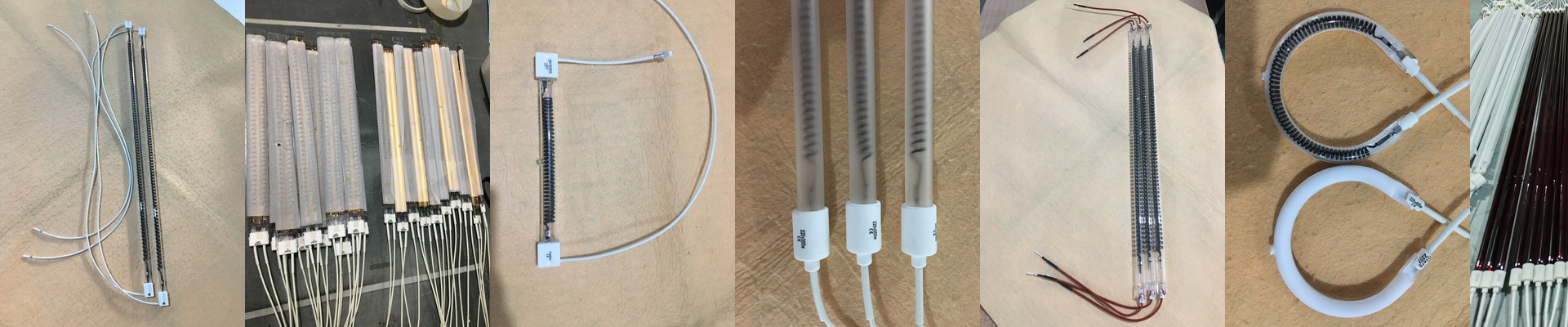
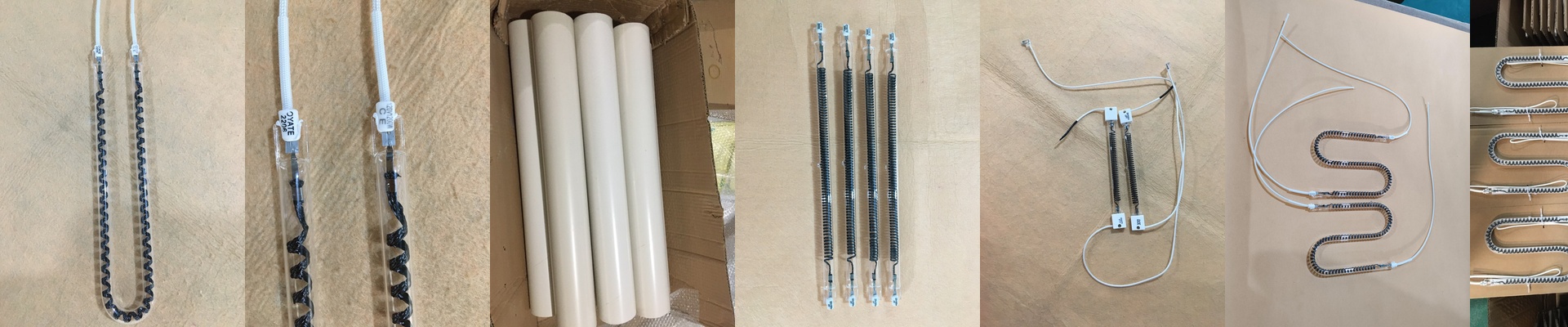
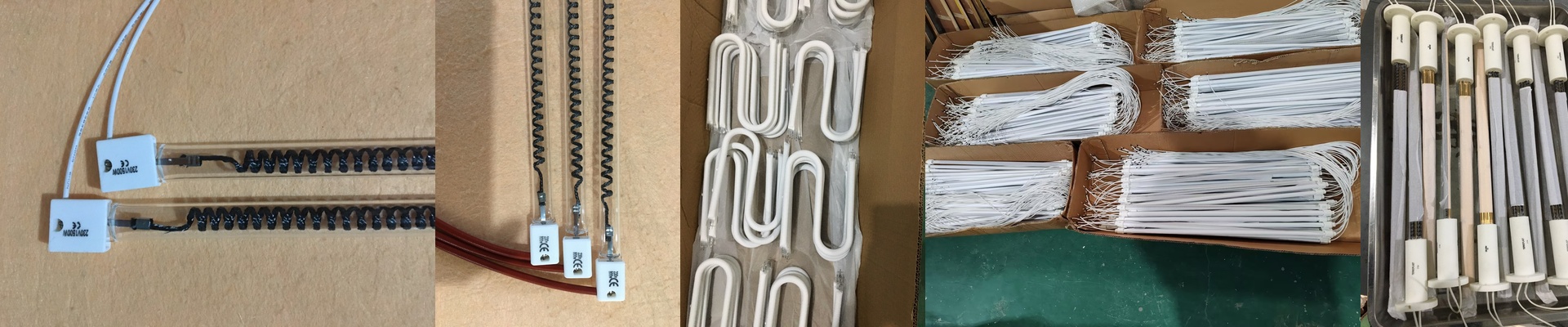
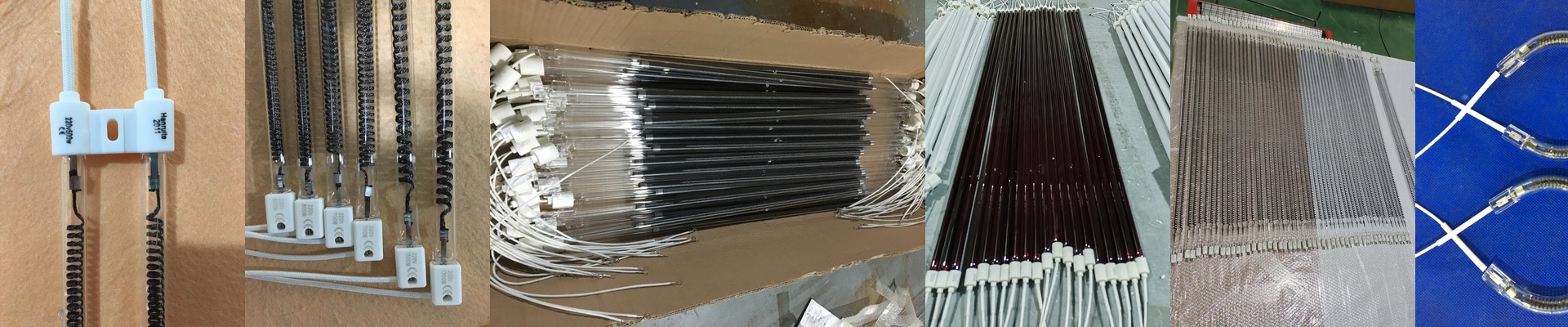
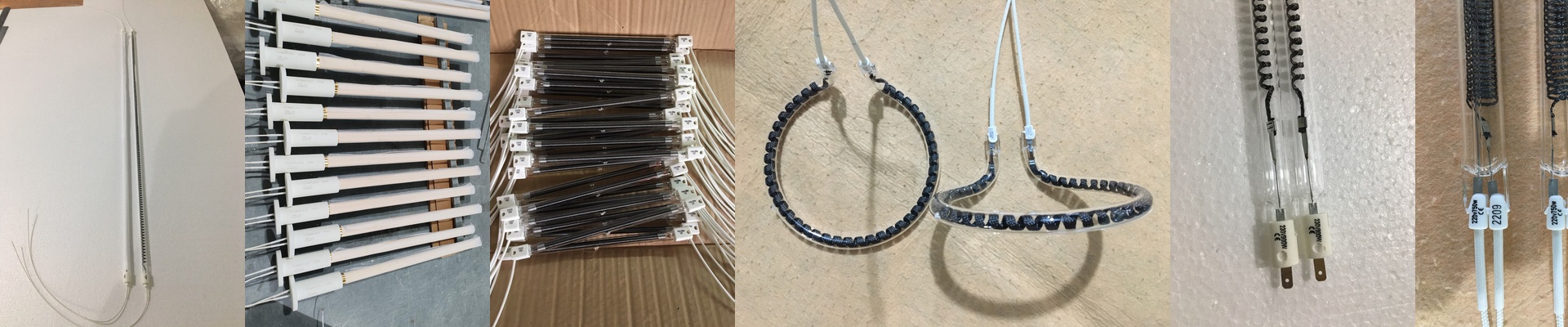
770mm 220V 2000W Carbon Fiber Infrared Heater: Power, Fit, and Reliability
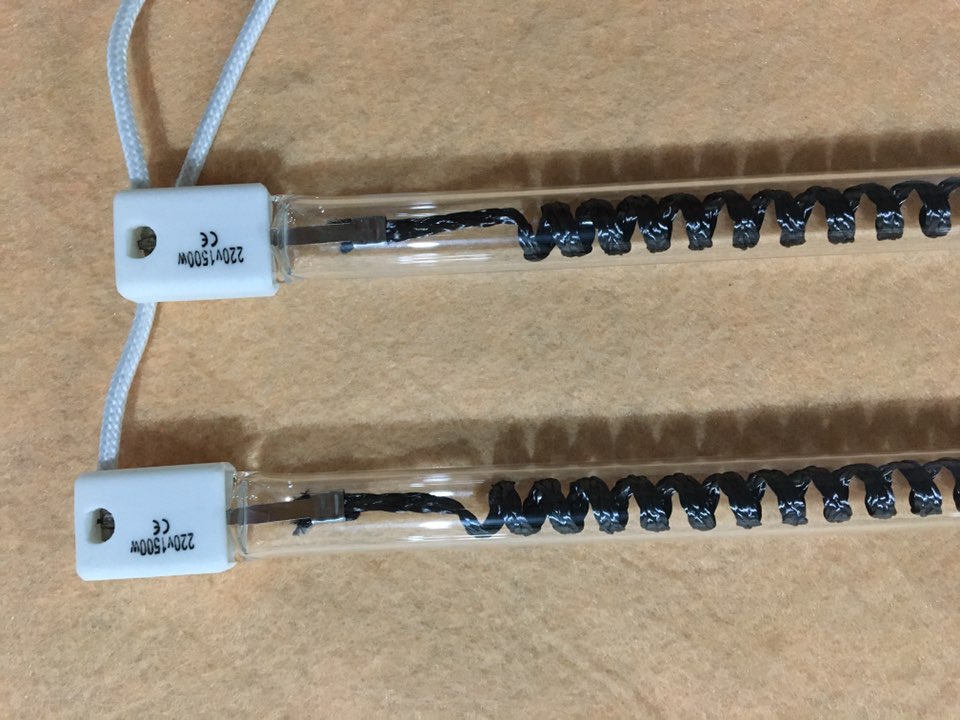
We build this 770mm, 220V, 2000W carbon fiber heater for industrial ovens that need predictable heat, compact mounting, and repeatable performance. It is a direct-replacement heating element for process ovens where fast ramp-up, even coverage, and stable output are required day after day.
Technical Deep-Dive: Specs That Define the Job
The 770mm length is chosen to match standard oven chambers and conveyor tunnel widths. It gives you broad coverage without requiring multiple elements, which simplifies support fixtures and wiring. The 2000W rating delivers consistent heat output for medium-to-large oven loads, so you can maintain setpoint without over-sizing the heater array. Running at 220V keeps the element compatible with common industrial power distribution. The voltage and power combination yields a practical current draw that is manageable for standard terminal blocks and contactors. This makes the heater a straightforward drop-in upgrade when you are refitting an existing oven. One reality check: 2000W in a compact envelope means high heat density. You need adequate airflow or heat distribution inside the oven; otherwise, localized hot spots can develop. Plan your baffles, air circulation, and temperature sensing accordingly.
Material & Design: Why Carbon Fiber and the Right Connections
Carbon fiber heating elements deliver fast response because the filament reaches operating temperature quickly. The result is a short warm-up time and stable output once the oven setpoint is reached. The carbon fiber construction also handles thermal cycling better than brittle wire elements, which matters when you run frequent start-stop cycles or variable profiles. The quartz envelope provides high-temperature stability and good electrical isolation while allowing efficient infrared transmission. Infrared heat penetrates parts and packaging more effectively than convection alone, which helps shorten cycle times and reduce energy waste. For termination, we spec out a standard R7s base. This is a proven industrial connector that locks in securely and handles the thermal expansion at the ends of the tube. It reduces hot-spot stress at the joint and makes replacement fast. If your machine uses a different termination, confirm the fit before ordering; mismatched sockets are the fastest way to get field failures.
Application & Benefits: What This Configuration Solves on the Floor
This heater is engineered for oven applications where uptime is the priority. It is suitable for curing coatings, drying components, heat-setting materials, and preheating assemblies. The combination of length, power, and voltage gives you a predictable heat map across the chamber, so you can tighten process windows and reduce scrap. Installation is straightforward. Mount the tube with standard holders, wire it up through the R7s socket, and you are back in production. Maintenance is simple: when a tube burns out, you replace it without tearing down the whole oven. The trade-off is control discipline. With fast response and high output, the oven controller needs accurate sensing and stable power control. If your control system cannot keep up, you will see overshoot and temperature drift. Match the heater to a controller that can handle the dynamics, and the system will run reliably. We design this element to meet industrial expectations: consistent output, repeatable dimensions, and a termination that survives real-world thermal stress. If your oven is built around a 770mm footprint and 220V supply, this 2000W carbon fiber heater specs out as a practical, field-serviceable solution.