Introduction
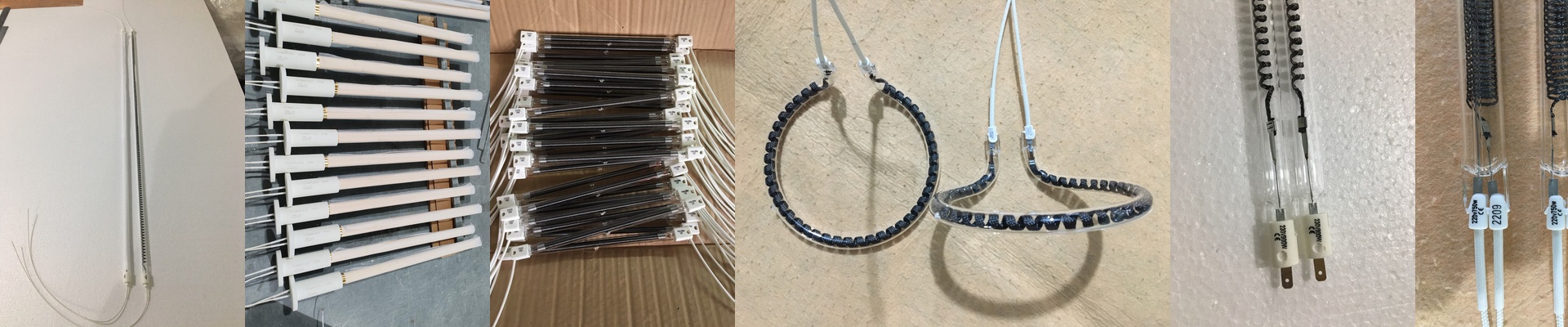
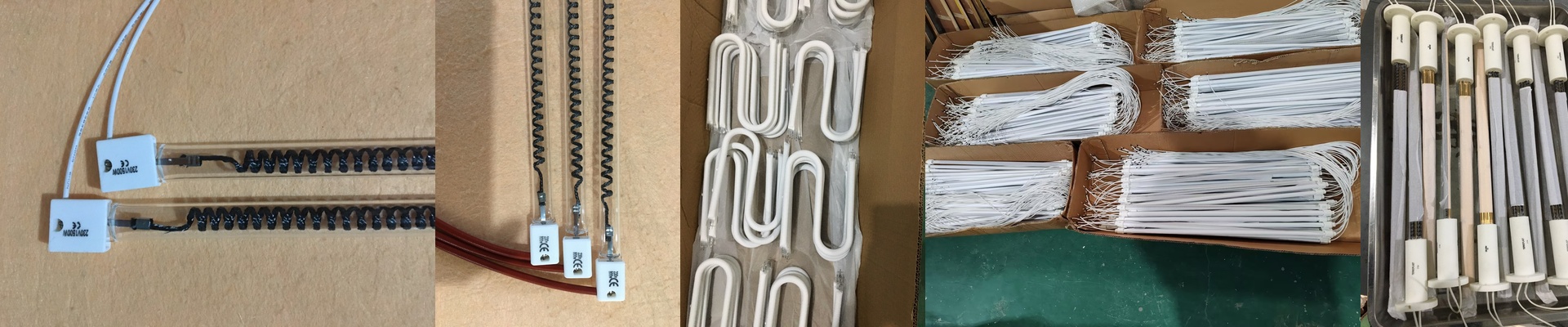
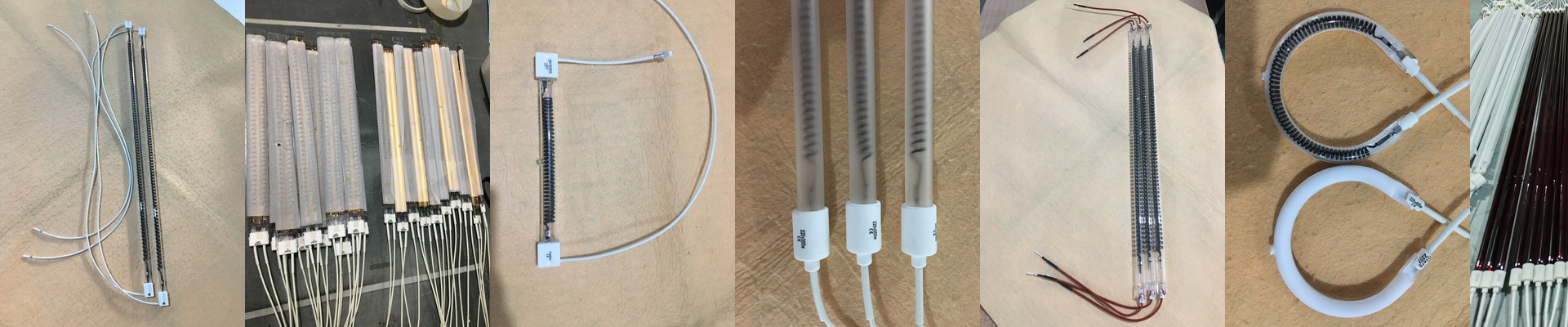
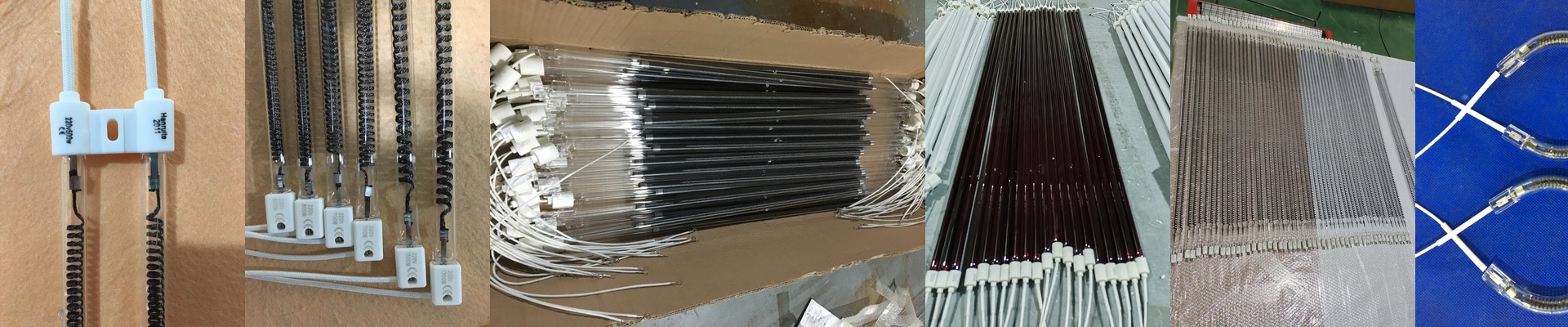
We build the far infrared carbon fiber quartz heat lamp for one reason: to deliver controllable, high-density heat where standard convection heaters fall short. This is not a general-purpose bulb—it is a targeted thermal tool for industrial processes that need fast response, precise temperature bands, and a compact footprint.
Technical Deep-Dive: Power, Voltage, and Dimensions
The core of this lamp is its electrical and mechanical spec, because on the plant floor, the lamp has to fit a defined envelope and still produce the required heat output. A typical configuration runs at 400V, which is chosen to push high power through a relatively small tube without demanding excessive current on the line. Higher voltage at a given wattage means lower amperage, which reduces conductor size and voltage drop in wiring runs. Wattage is the performance knob. In a 2500W rating, you get a high heat load in a short length, often around 300mm. That combination matters because it lets you spec a concentrated heating zone into a tight machine cavity. The compact length also simplifies mounting and shielding, but it does trade off against thermal spread—expect a steep temperature gradient close to the tube.
Material and Design: Quartz, Carbon Fiber, and Connectors
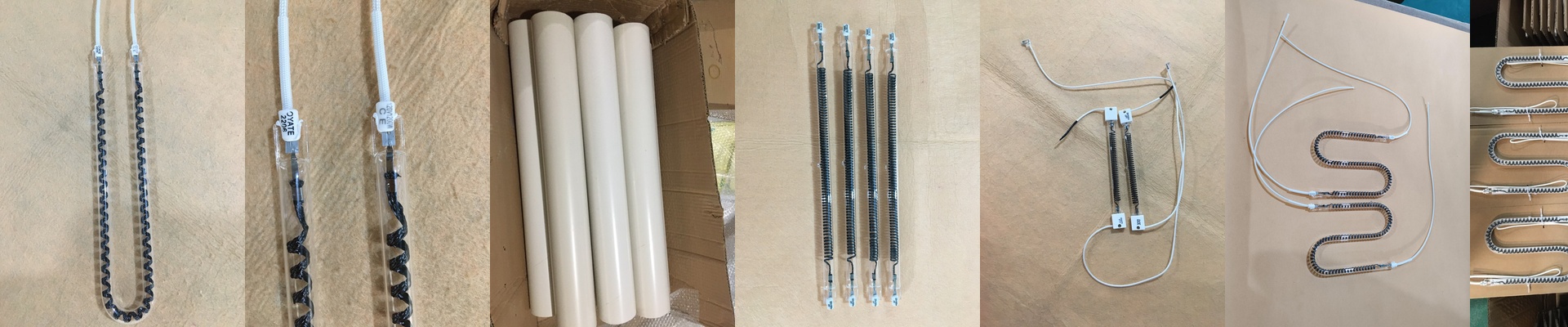
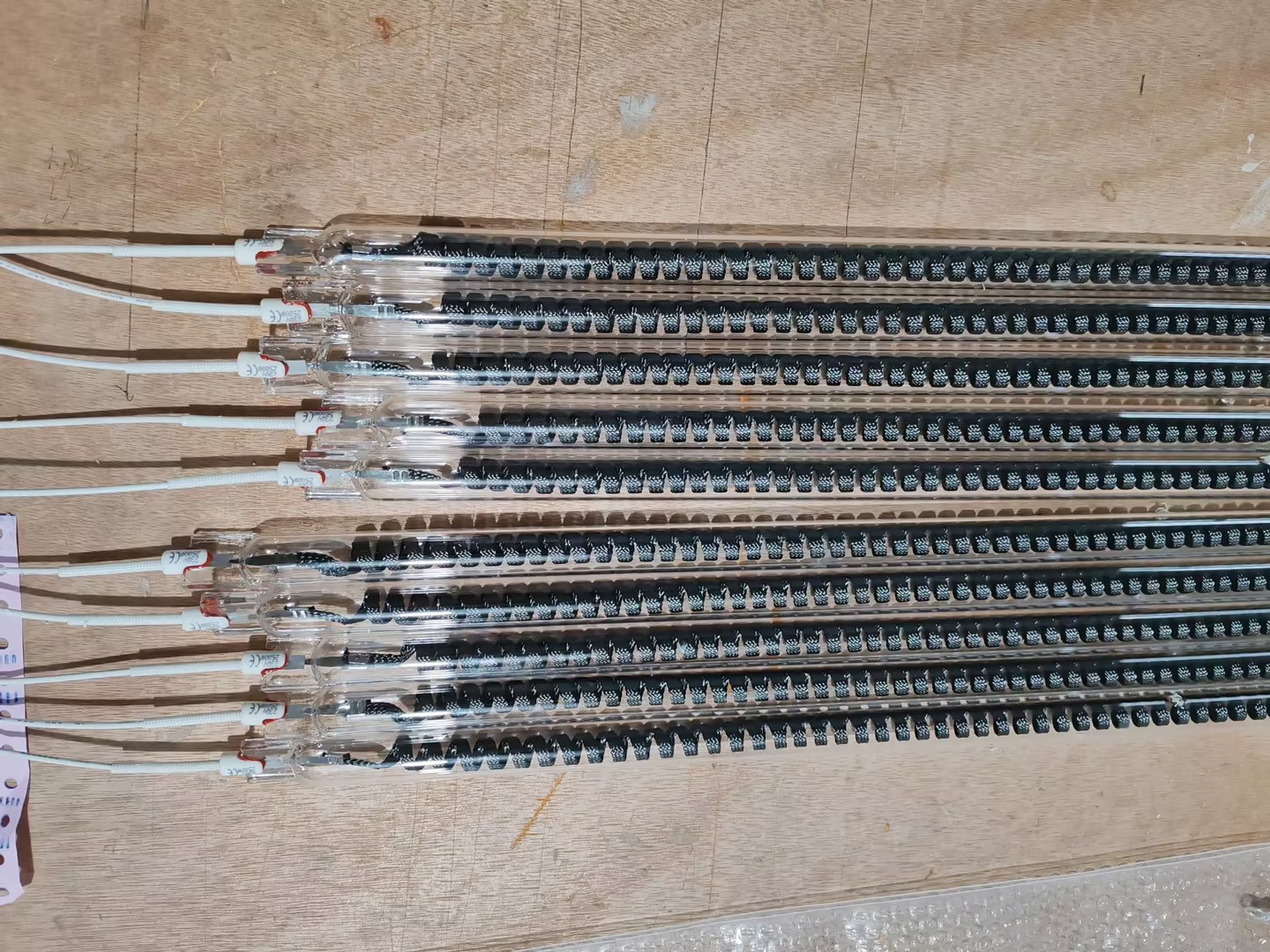
The quartz envelope is not just a housing—it is the thermal and electrical platform. Quartz handles rapid temperature swings without cracking, and it stays transparent in the far infrared range so the radiation gets out efficiently. Inside, the carbon fiber filament is the reason the lamp produces strong far infrared output. Carbon fiber has stable resistance at high temperatures and a predictable emissivity profile, so the lamp heats quickly and holds steady without wild swings. This is different from coiled wire elements that can drift and create uneven hot spots over time. Coating is another engineering decision, not a cosmetic add-on. A reflective coating on the quartz redirects off-axis radiation back toward the target, increasing the effective power density without raising the input wattage. The trade-off is handling: the coating adds thermal mass and can be damaged by contact, so installation has to be clean and contact-free. For termination, we use R7s connectors because they provide a secure, high-temperature mechanical and electrical interface. They are built for the heat and vibration environment inside industrial equipment, and they allow a straightforward drop-in replacement when the lamp reaches end of life.
Application and Benefits: Why This Configuration Works
This lamp is engineered for processes that need rapid heat-up and repeatable temperature control in a small zone. Typical applications include plastic heating and forming, adhesive curing, coating drying, and component preheating. The far infrared output couples directly into many organic materials and surface layers, so you get faster heat transfer without overheating the surrounding structure. The carbon fiber element delivers fast response, which shortens cycle time. The quartz envelope keeps the lamp robust under thermal shock. The R7s base makes it easy to wire up as a direct replacement. The reality check: high power density means you must manage the local environment. A 2500W lamp in a 300mm length will generate significant radiant heat and raise nearby component temperatures. Plan for proper heat shielding, airflow, and thermal protection on nearby sensors and wiring. Match the lamp to the process, and it will perform as a reliable, controllable heat source.