Understanding the Specs: Power, Size, and Voltage
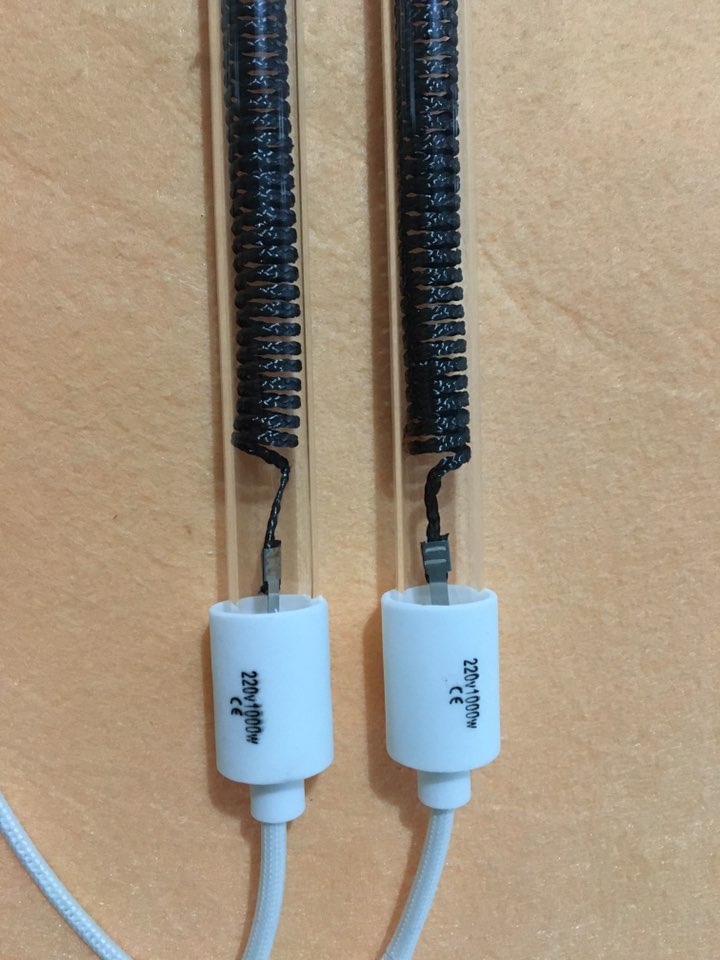
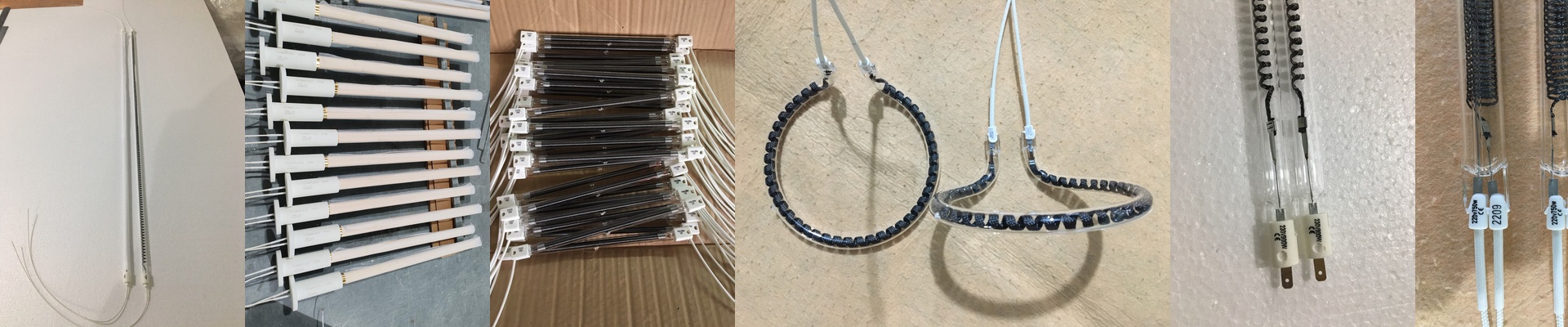
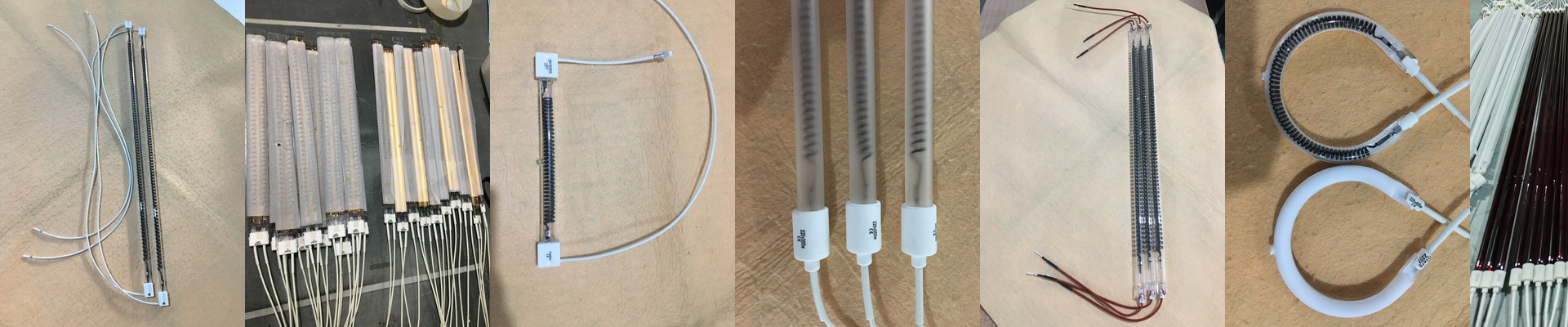
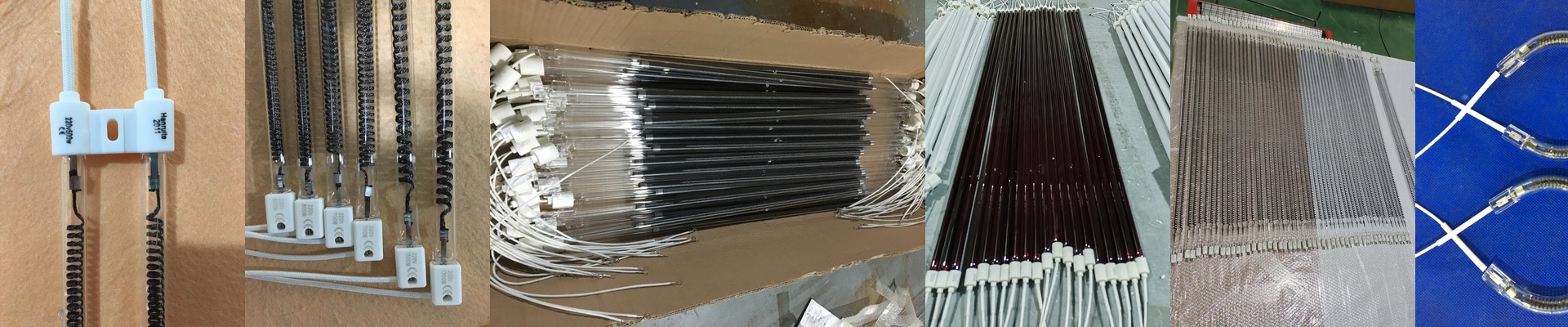
Let’s cut to the chase. We built this carbon fiber infrared heating tube as a straight-up replacement for industrial machines. The numbers—1000W and 360mm—aren’t random. They’re the sweet spot for the footprint you’ll find in most heating chambers. That 1000W rating gives you heat you can count on, every single time. It means you can size your heating zone without overthinking the whole system. And this thing? It’s built for the grind of industrial duty cycles, not a once-a-year lab experiment. It handles being switched on and off, over and over, without the brittle failure you get from cheaper filaments. The 360mm length is a practical choice. Long enough to cover the typical heating window, but short enough that the mechanical support stays simple and the vibration resistance is solid.
Material and Design: Why Carbon Fiber and Quartz Matter
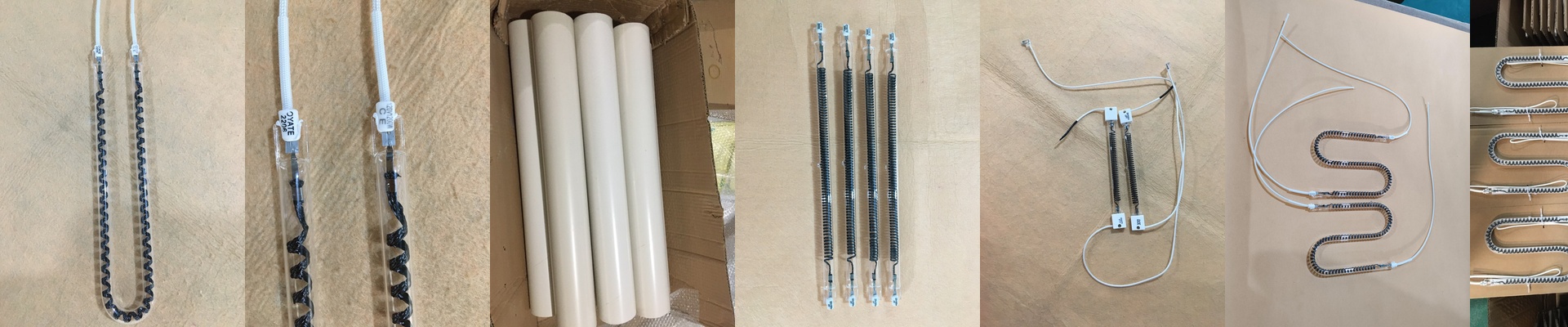
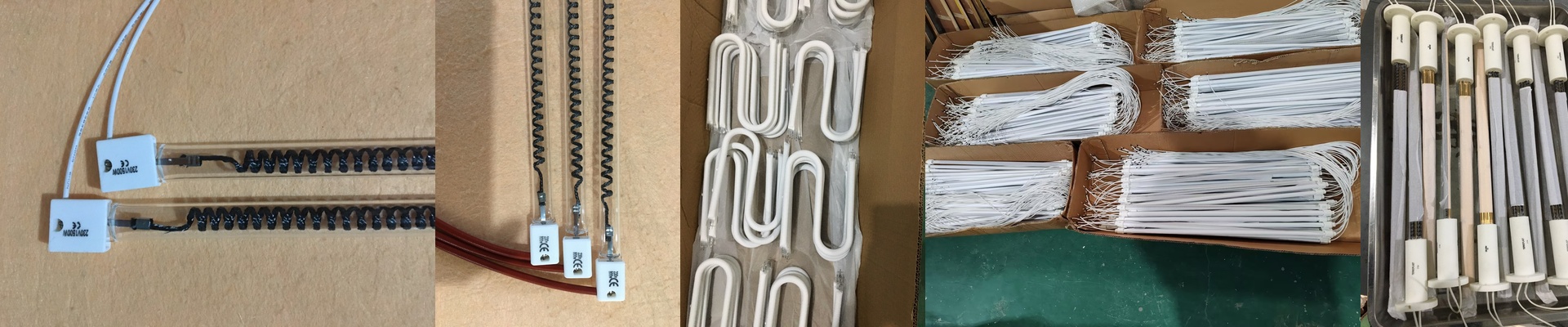
We pair a carbon fiber heating element with a quartz envelope because the combo just works. It gives you a fast response and rock-solid resistance. Carbon fiber can take the thermal shock that would wreck a metal sheath, so this tube goes from cold to operating temp almost instantly. The quartz envelope? It lets the infrared energy pass through cleanly, and it keeps the filament safe from contaminants. And the R7s connector isn’t an afterthought. It’s a proven two-pin end-cap that handles the tube’s thermal expansion while keeping the electrical connection tight. This is crucial on a shop floor where vibration and constant heating cycles can loosen things up. With the R7s interface, you can wire it in as a drop-in replacement without touching the fixture.
Application and Performance: What You Gain on the Line
On the floor, this 1000W infrared carbon fiber tube shines in applications that need fast, focused heat—like plastic processing, coating curing, and drying components. Infrared heat goes right where you need it, directly onto the target surface, so you’re not wasting energy heating the air. Here’s the trade-off, though: packing 1000W into a 360mm tube creates serious heat density. That means your machine’s thermal management—airflow, shielding, and mounting clearances—needs to be on point. If you run it in an enclosed space without ventilation, the parts around it will get hot. Plan your cooling and mounting with that in mind, and you’ll get a heat source that’s reliable, repeatable, and holds up under the pressure of a production schedule. It installs fast and just keeps going.