Carbon Fiber Infrared Lamps: Power, Design, and Industrial Application
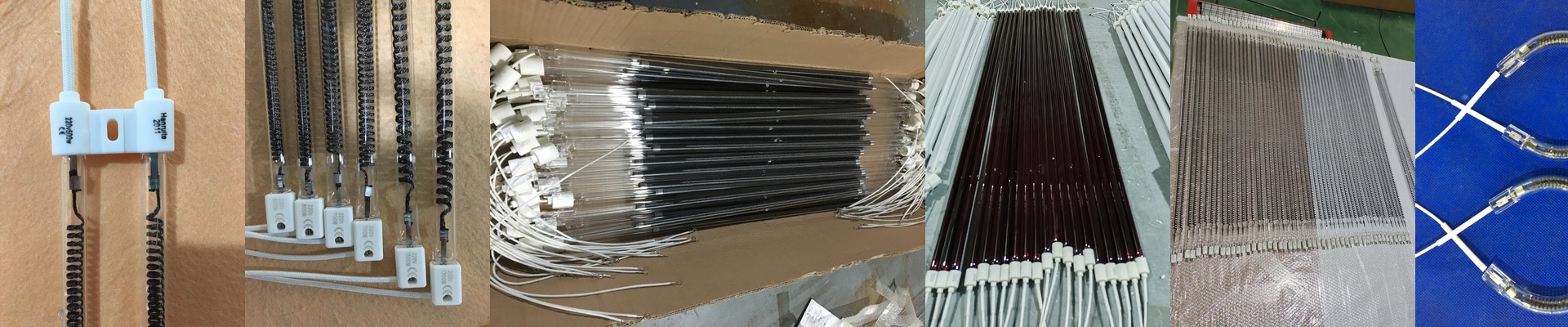
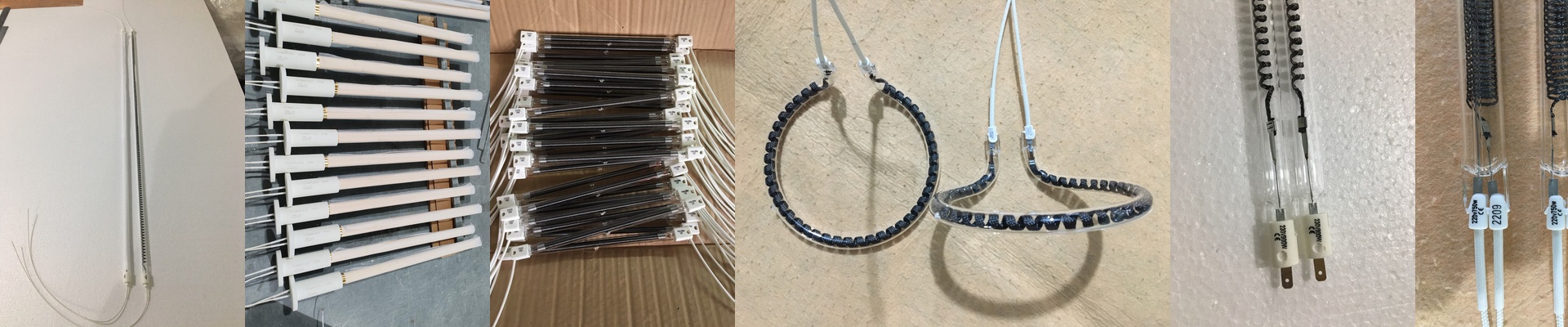
We built this carbon fiber infrared lamp for the moments on the factory floor when you can’t afford to be off. When the line is moving and precision is everything, you need heat that hits the mark—fast. This isn’t your average heater. It delivers focused radiant heat, right where you need it, which is exactly what you want when contact heating just won’t cut it.
Power, Voltage, and Size—Plain and Simple
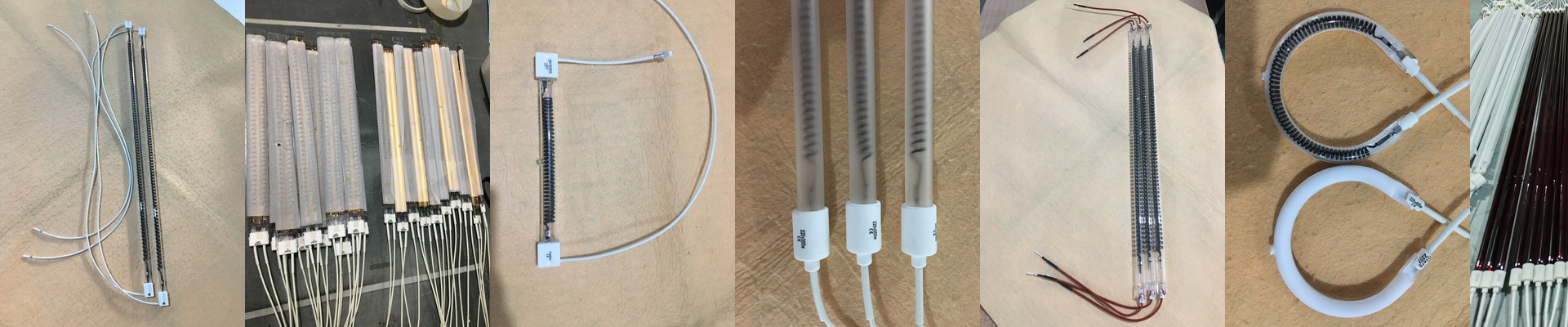
It runs at 400V and 2500W, pushing serious power through a compact 300mm quartz tube. That’s the beauty of it: packing a lot of heat into a small space gives you intense, targeted energy exactly where you want it. You get quick thermal response, which feels great when you’re chasing cycle times. But here’s the thing—because it’s high-voltage, you need a control circuit that’s up to the task. Match the supply and contactor ratings. If you don’t, you risk voltage drop and uneven output, and that’s the kind of inconsistency that slows you down.
What’s Inside, and Why It Matters
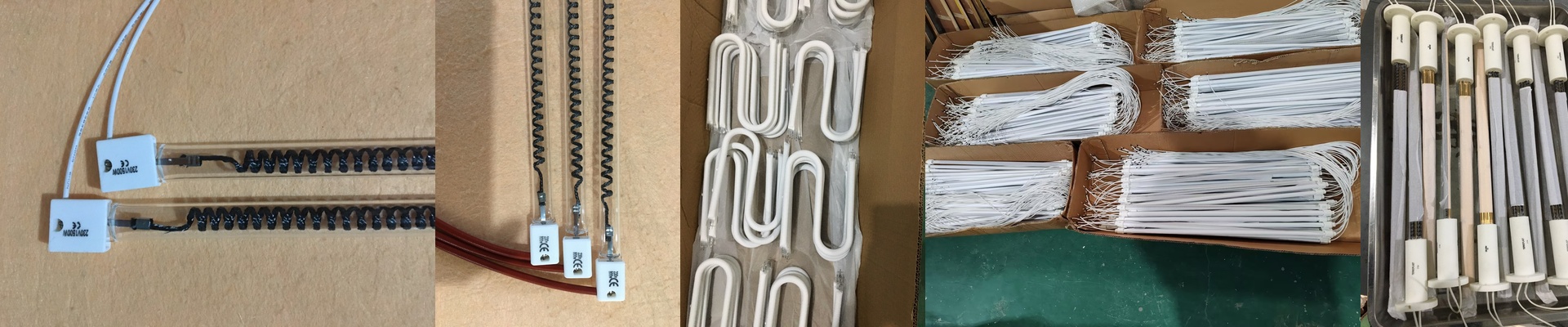
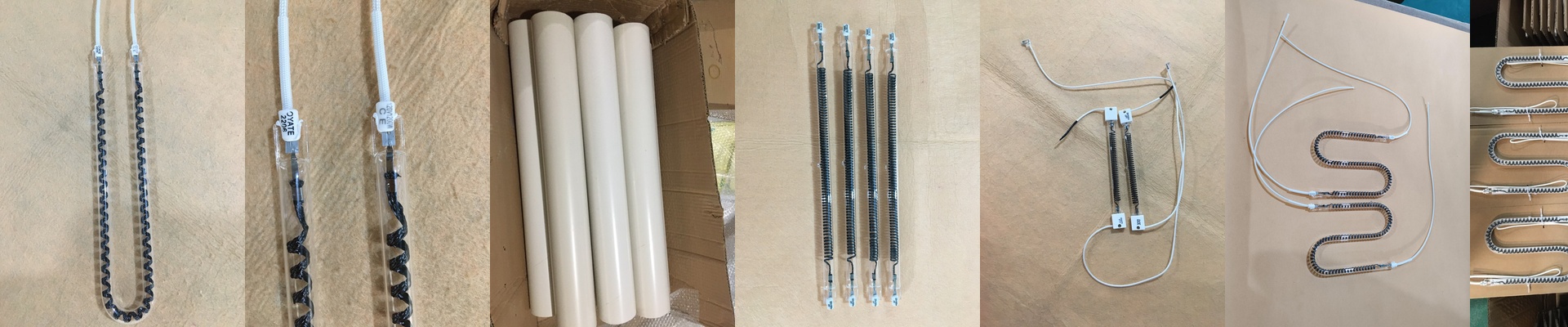
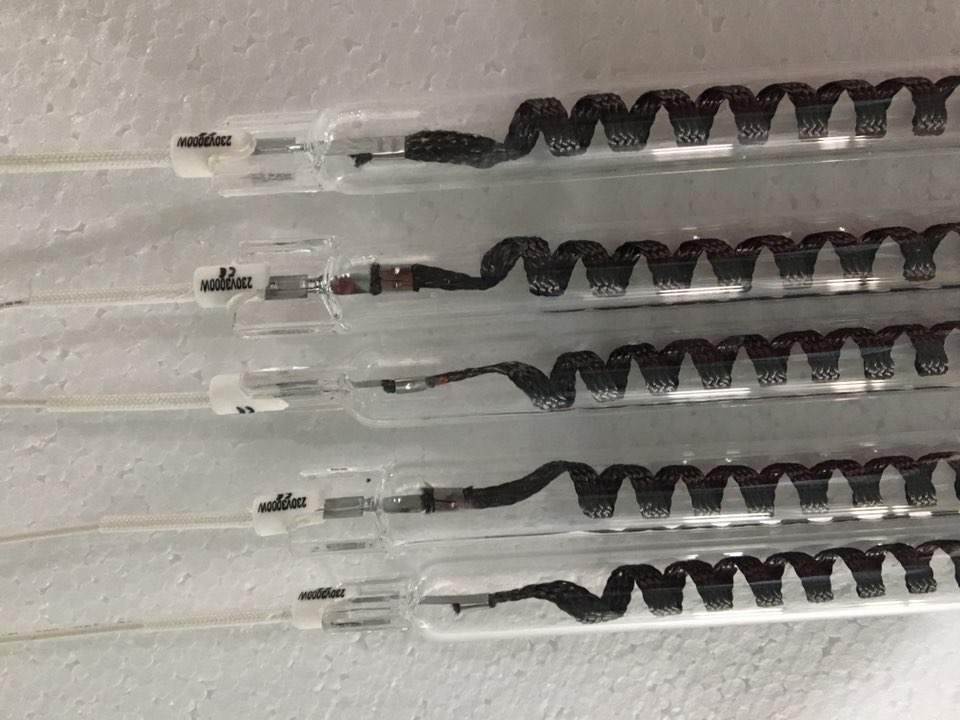
Inside, a halogen-filled environment protects the carbon filament. That’s what keeps output steady and helps the filament last longer—fewer surprises on the line. The quartz tube has a special reflective coating, and it does a smart job: it pushes infrared energy forward, so you lose less heat to the sides. The footprint stays clean, and your heat stays focused. Swapping it in is straightforward, too. The R7s connector is a direct drop-in fit for standard sockets, so you can get back to work quickly. It’s built to take the punishment of high-cycle work, but the quartz body doesn’t love rough handling or contamination. Treat it carefully, and it treats you right.
Where It Shines—and What to Keep in Mind
In PET blowing, this lamp brings rapid, even heating to preforms. That helps you keep wall thickness and clarity under control, which matters when you’re running consistent cycles. The concentrated heat profile supports steady timing, and the R7s termination makes changeovers fast. You feel the difference in how smoothly the line keeps moving. Just remember: with high heat density comes the need for solid machine cooling and shielding to keep ambient temperatures in check. And plan ahead—treat the tube as a consumable. Keep spares on hand, and you’ll sidestep the stress of unplanned downtime.