Introduction
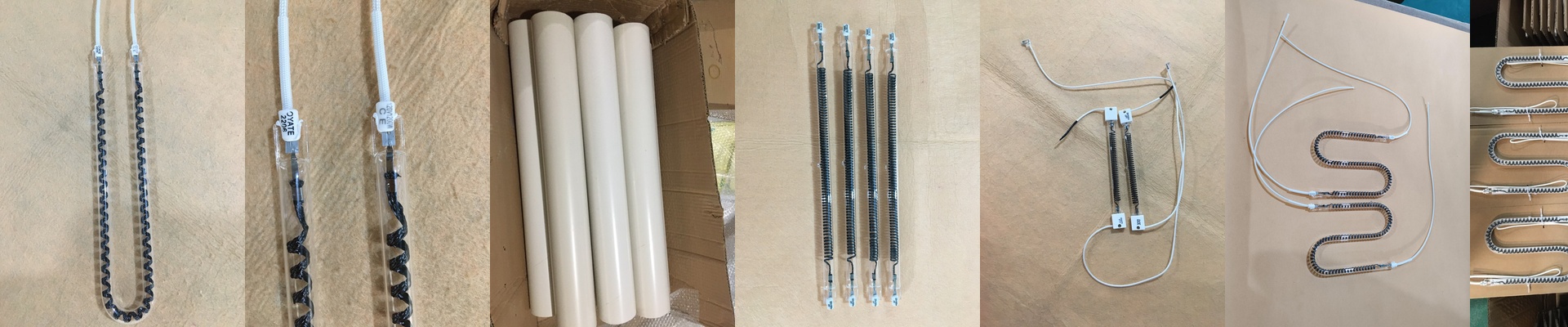
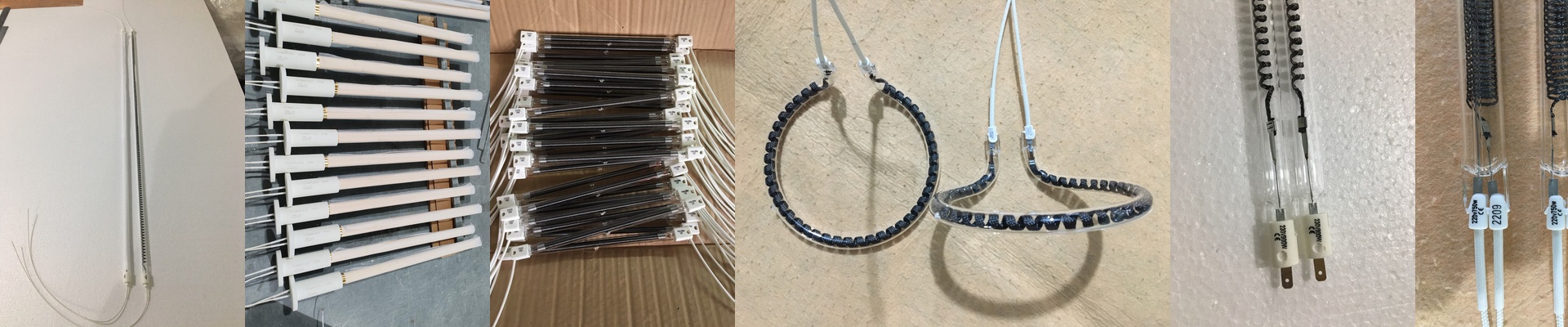
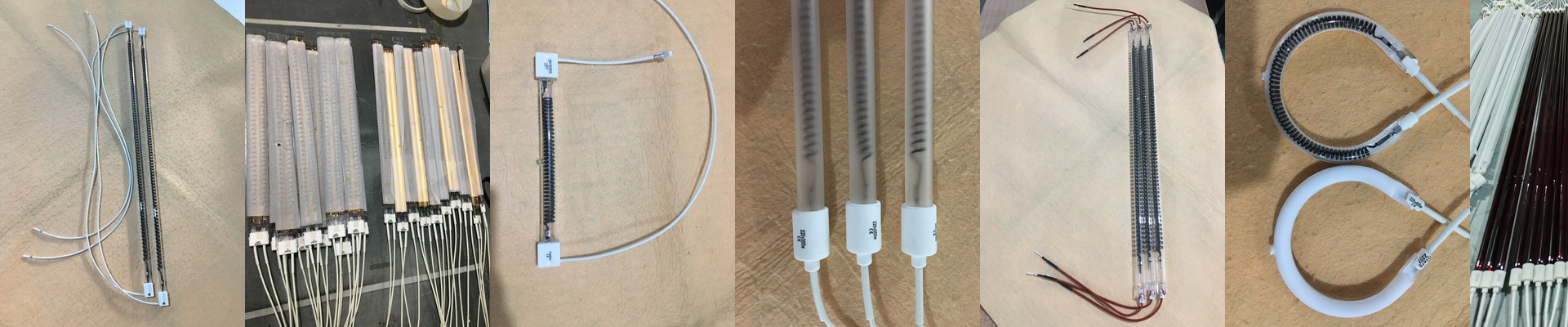
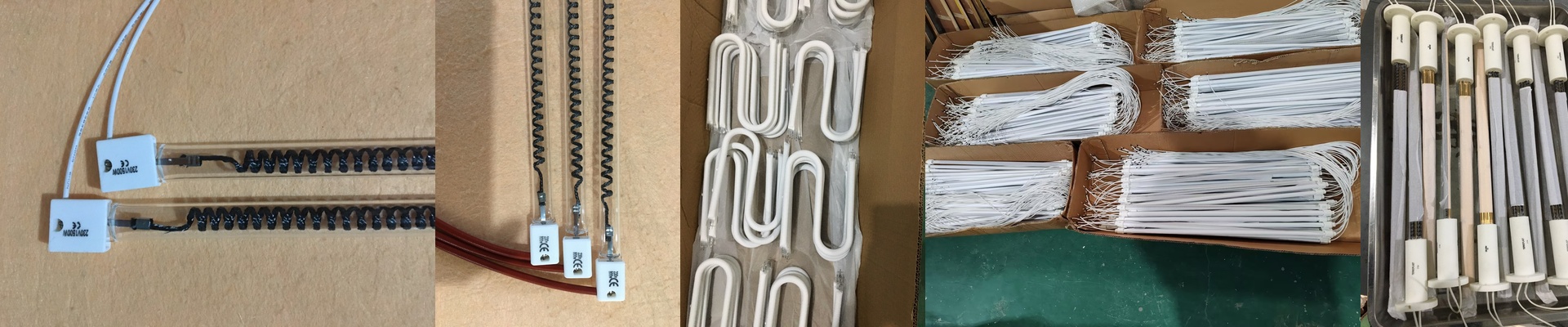
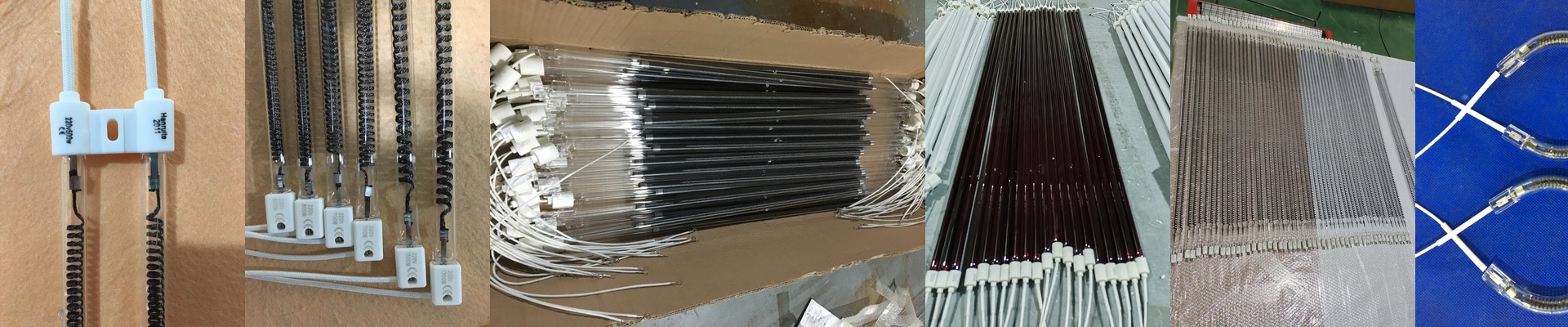
We built this infrared carbon fiber heating tube for engineers who are tired of wrestling with heat sources that feel like a compromise. You know the feeling. You need something that specs out quickly, wires up clean, and just holds steady when the load hits. This is a direct-radiant heater, built around a high-purity quartz envelope. It was born for industrial work, where you need a rapid temperature rise, tight control, and a footprint that actually fits inside tight machinery.
Let’s Talk Power, Voltage, and Size
The carbon fiber element was designed to handle serious watt density. That means it heats up fast—without ever creating hot spots. You get voltage options, usually 230V or 400V, so you can match it to your control panel and line availability. No unnecessary rewiring. No panel redesign. Wattage is matched to the job, typically between 1000W and 2500W. So you can dial in the heat to exactly what you’re trying to warm up. As for size, we choose the length to match your heated zone. A compact 300mm tube concentrates the energy into a small area. Longer lengths spread the heat for wider zones. We size the tube to fit your machine, not the other way around.
The Details: Quartz, Coating, and a Reliable Connector
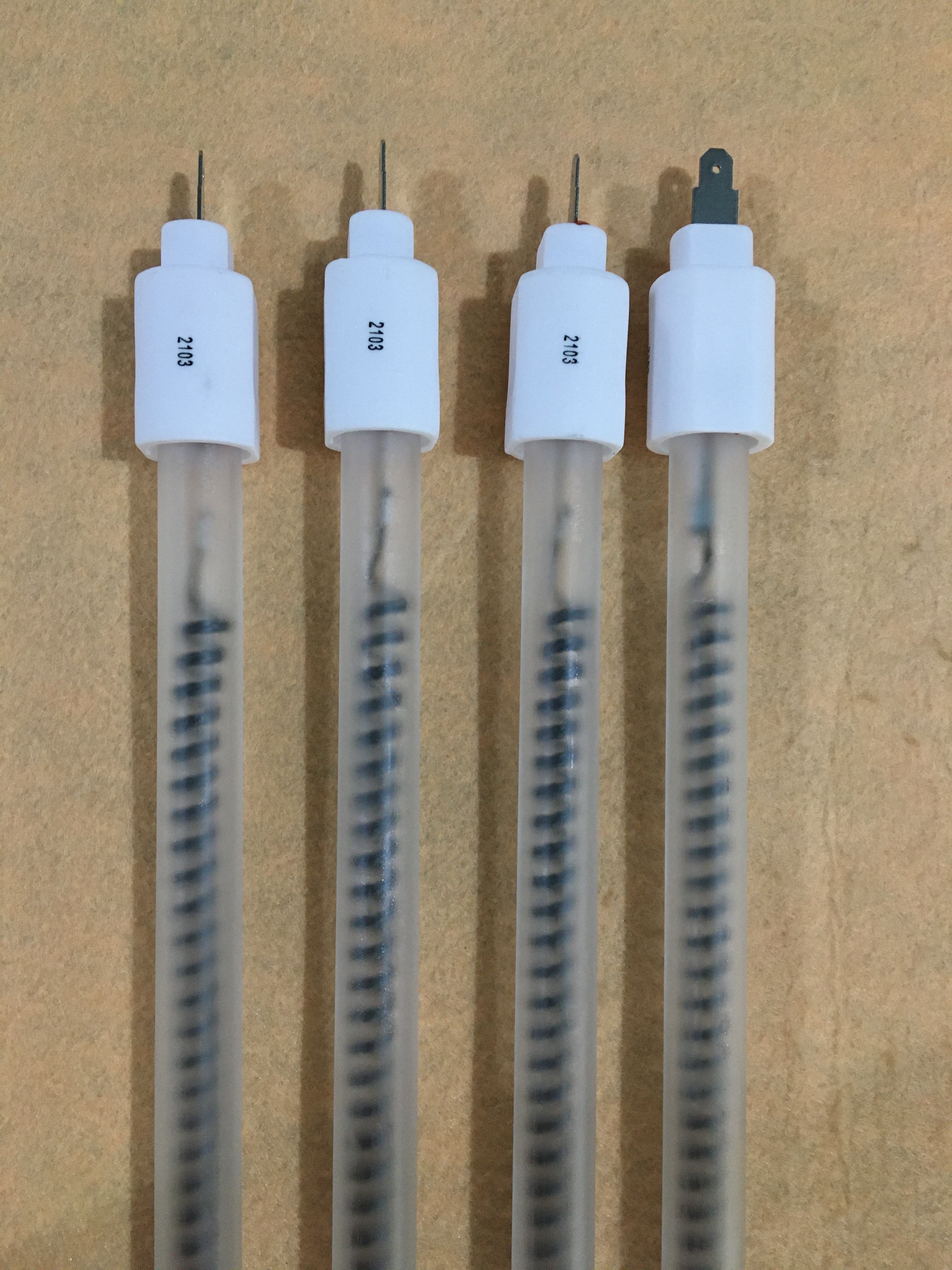
The quartz envelope isn’t just insulation. It’s the optics. It lets short-wave infrared pass through efficiently, so more energy lands on the target—not wasted heating the air. Inside, the carbon fiber filament runs hot and stable, keeping resistance consistent over time. We add a reflective coating on the inner wall to push radiant energy forward, giving you more usable intensity right where you need it. And the R7s end-cap connector? It’s an industrial standard for a reason. It handles high temperature and stays secure. It installs quickly, stands up to vibration, and keeps the connection reliable even in a crowded machine bay.
Where It Shines—And What to Keep in Mind
This tube is built for real industrial heating: PET blowing, plastic forming, curing, drying, and sealing. The short-wave output gets in fast, which helps cut cycle time and keeps results consistent. And because it’s compact, it drops right into existing fixtures as a direct replacement—so downtime stays short. But here’s the honest part: high watt density means you need proper cooling and thermal management. Plan your airflow and shielding from the start. Otherwise, you’ll end up with high ambient temperatures inside the machine.
Where It Shines—And What to Keep in Mind
This tube is built for real industrial heating: PET blowing, plastic forming, curing, drying, and sealing. The short-wave output gets in fast, which helps cut cycle time and keeps results consistent. And because it’s compact, it drops right into existing fixtures as a direct replacement—so downtime stays short. But here’s the honest part: high watt density means you need proper cooling and thermal management. Plan your airflow and shielding from the start. Otherwise, you’ll end up with high ambient temperatures inside the machine.