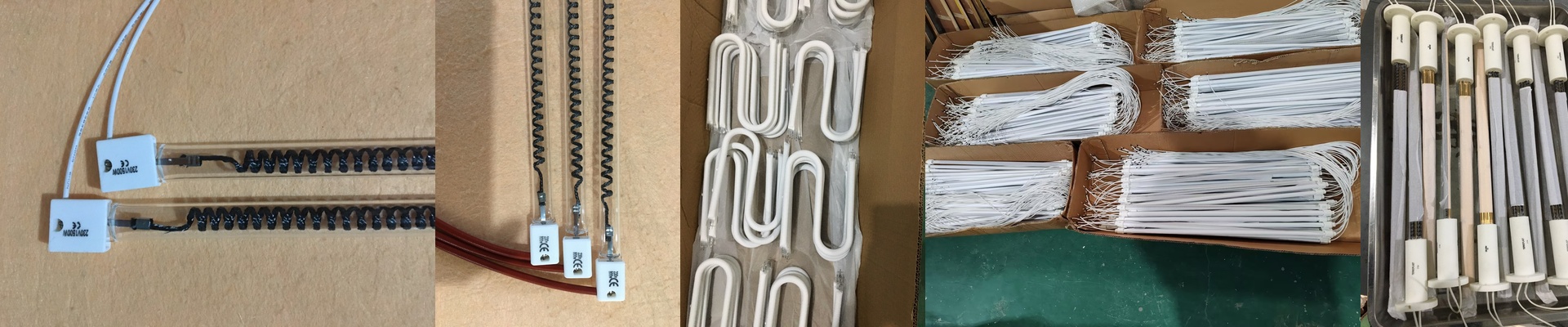
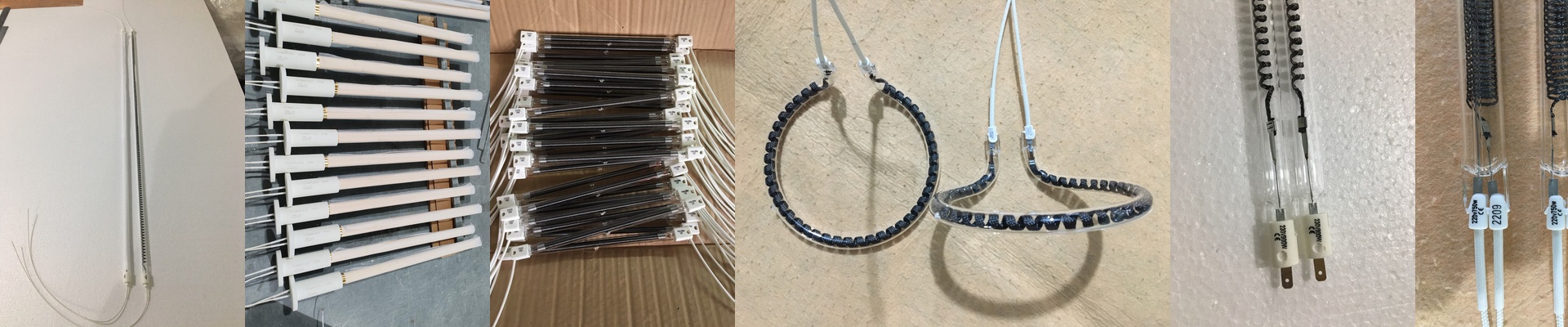
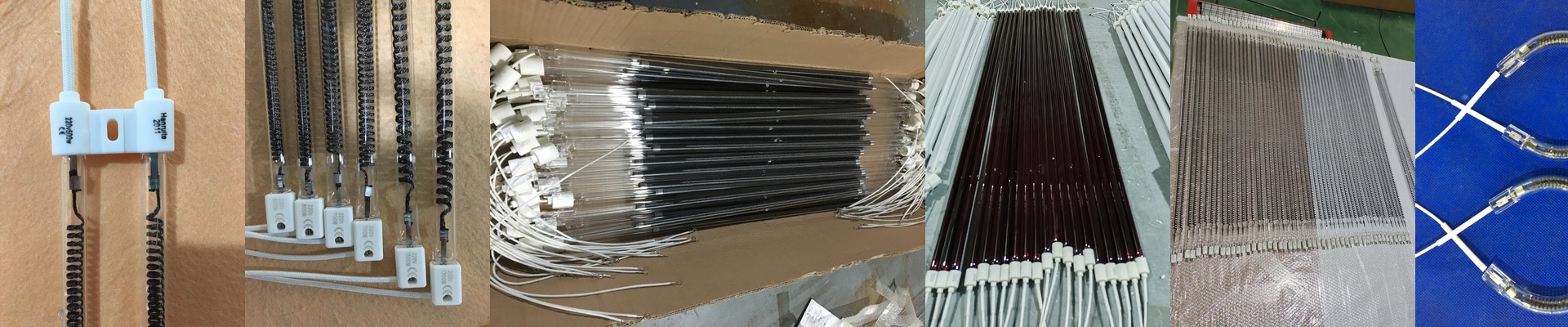
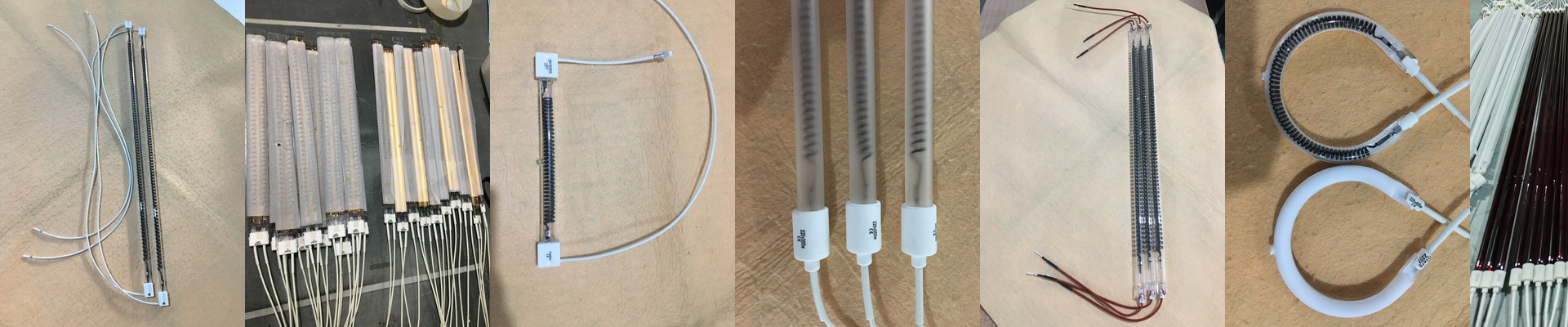
The Power Behind the Heat: What Makes These Lamps Tick
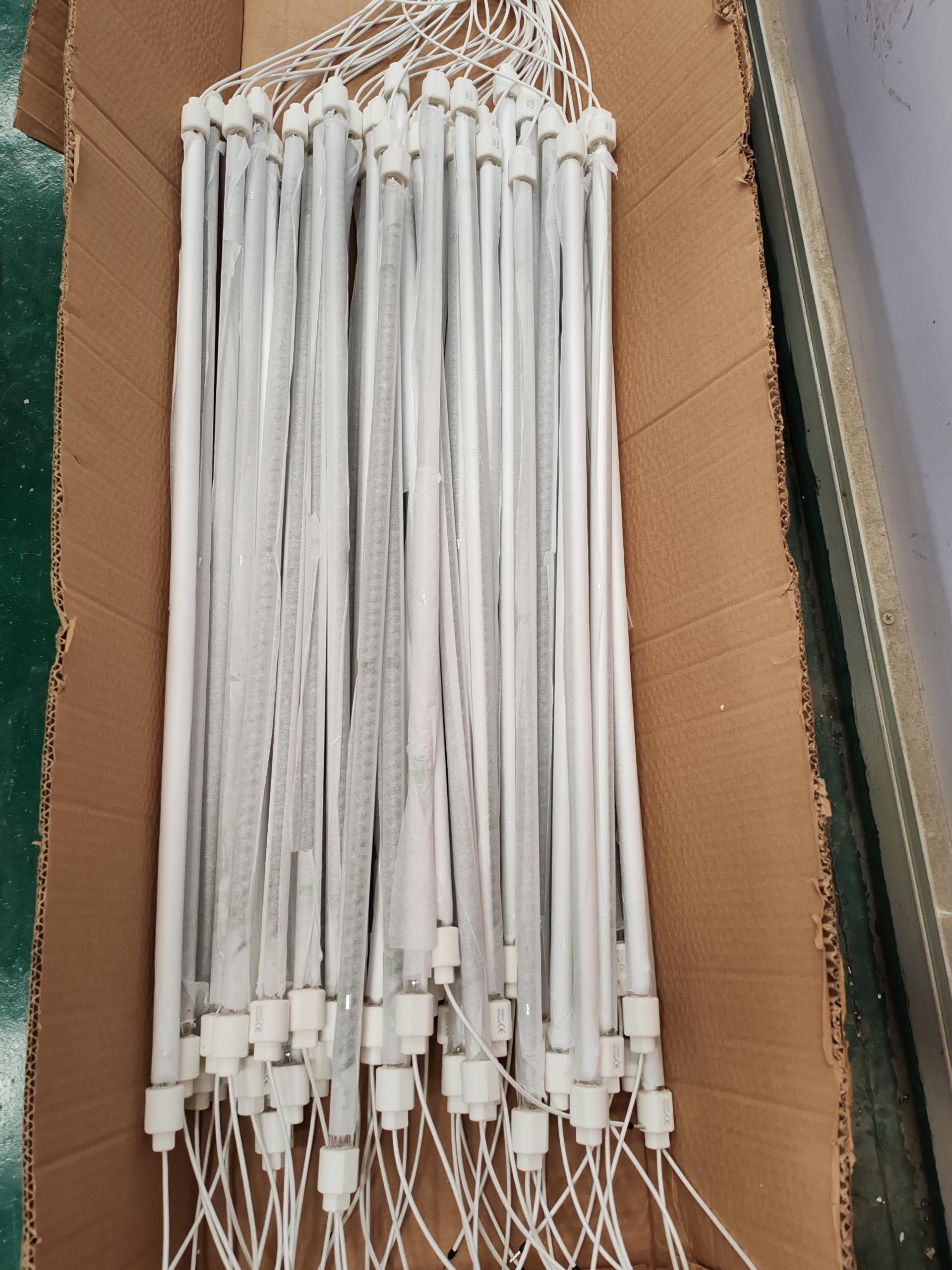
We built these carbon fiber infrared heat lamps for one reason: to get intense, focused heat exactly where you need it—when standard heaters just can’t keep up. The specs are simple on paper—2500W at 400V—but that combo is what gives you serious heat density in a small package. The 300mm tube concentrates all that infrared power into a tight zone, so you hit your target temperature fast. And here’s a nice bonus: running high voltage like this actually lowers the current draw compared to lower-voltage options. That means simpler wiring and smaller conductors on the shop floor. Less hassle, more efficiency.
Why Carbon Fiber and Infrared Are a Match Made in the Workshop
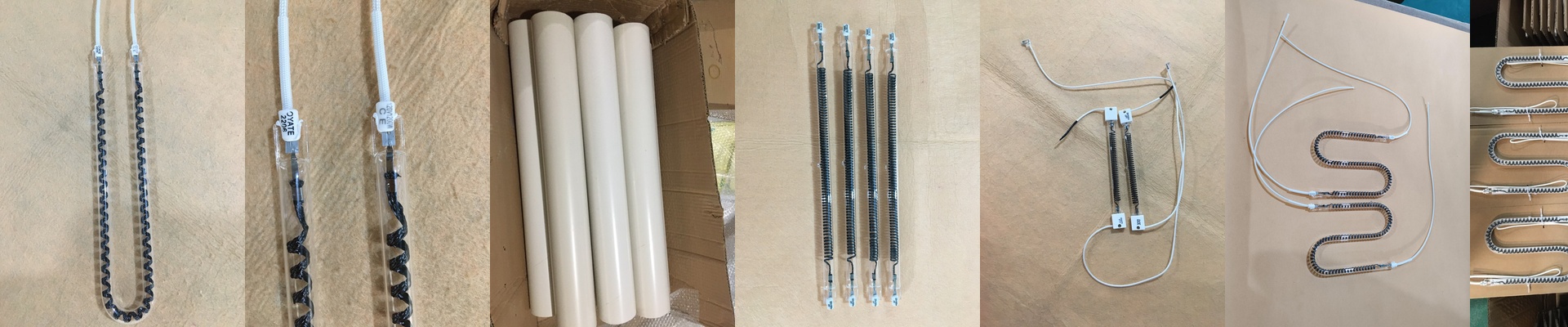
Forget those old wire coils. We swapped them out for a carbon fiber element that’s tough, lightweight, and heats up almost instantly. The infrared spectrum it puts out cuts right through surfaces, so you spend less time waiting around for things to warm up. You get better control over the temperature, plain and simple. The quartz envelope keeps everything stable, even when the heat hits hard. And that reflective coating? It pushes the infrared energy forward, so you’re not wasting heat sideways. We also chose R7s connectors because they lock in securely at both ends. They install quickly, stay aligned in the fixture, and help prevent hot spots.
Built for the Real World of Production
These lamps shine in any process that needs fast, localized heating—like curing composites, drying coatings, or preheating materials. The response time is lightning-fast, which gives you repeatable thermal performance. And because the form is compact, it slips right into tight spaces without a fight. Now, there’s a trade-off. That high heat density means you need proper cooling and clearance. The mounting surface has to handle the radiated heat without sending it back into the lamp. But for engineers, it all adds up to a predictable heat profile, fewer maintenance headaches, and a straightforward drop-in replacement when it’s time to upgrade.