Introduction
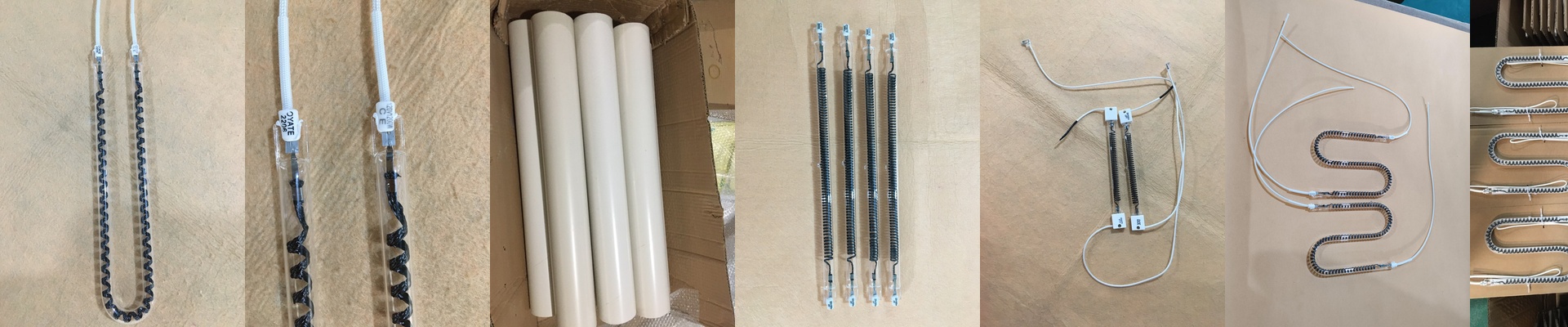
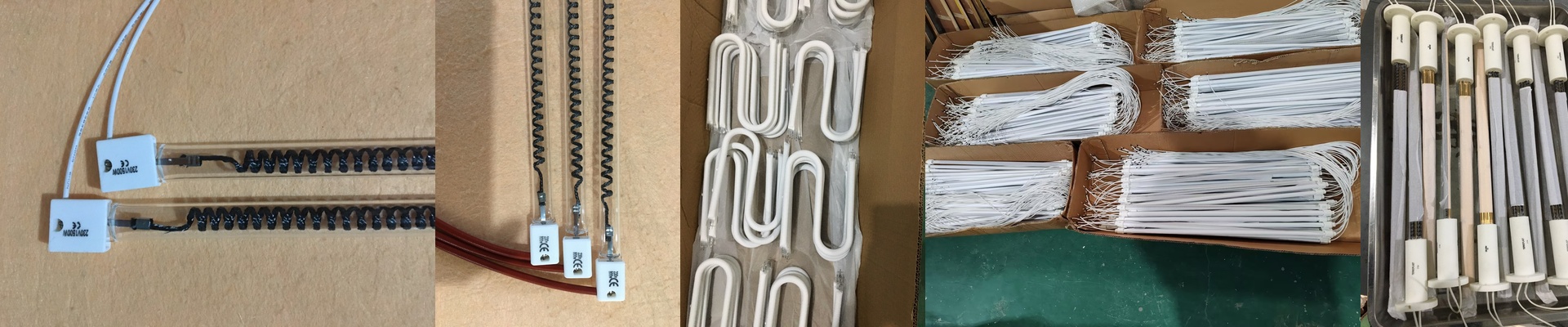
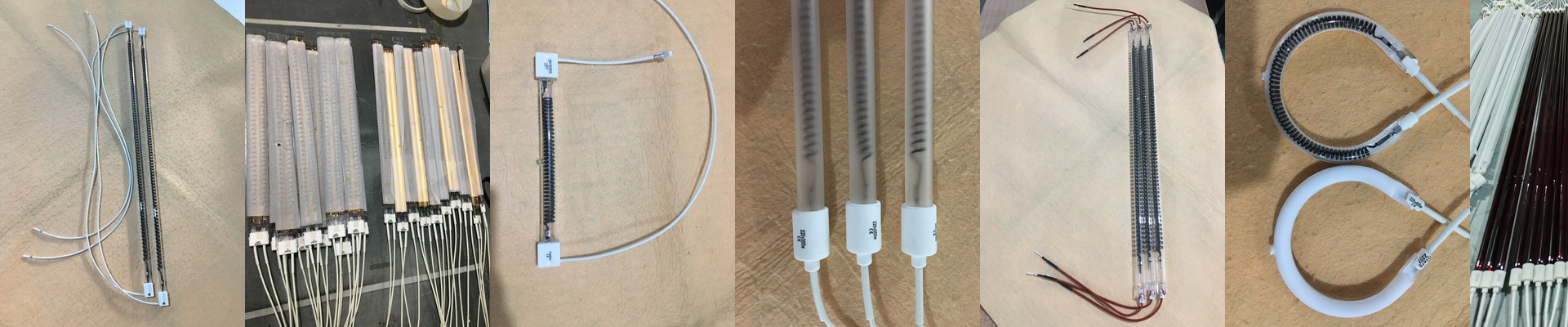
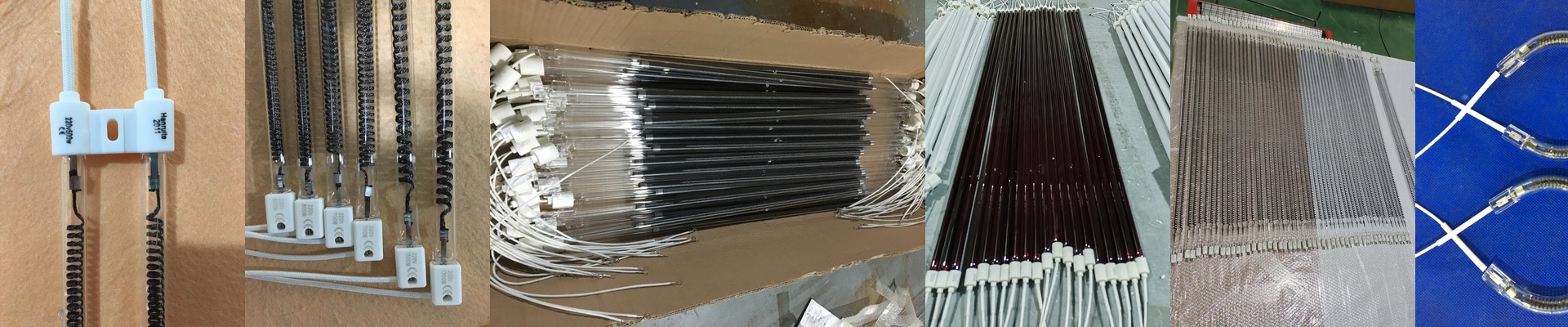
Let’s talk about a heat lamp that actually shows up for work—the 220V carbon fiber infrared heater. It’s built for the kind of industrial heating where speed matters, control matters, and you don’t have room to waste space. We designed it to throw predictable heat into a specific spot, so you can get on with the job—whether you’re pre-heating a mold, curing a coating, or shaping plastics.
Power, Voltage, and Geometry—Why It All Matters
The 220V rating isn’t random. It lines up with the power setup in a lot of plants, so you can wire this thing in without reworking the whole electrical cabinet. And that carbon fiber element? It has low thermal mass, which is just a fancy way of saying it heats up fast—and cools down fast too. That matters when your cycle time is basically a race against temperature. The length of the lamp is a big deal, too. Go longer and you get more radiant surface, so the heat spreads out over a wider area. Keep it short and the same power concentrates into a smaller spot, which cranks up the heat density. When you pick wattage and length, you’re balancing peak temperature, how wide the coverage is, and what the surrounding equipment can handle without overheating.
Material and Design: Carbon Fiber, Quartz, and R7s Ends
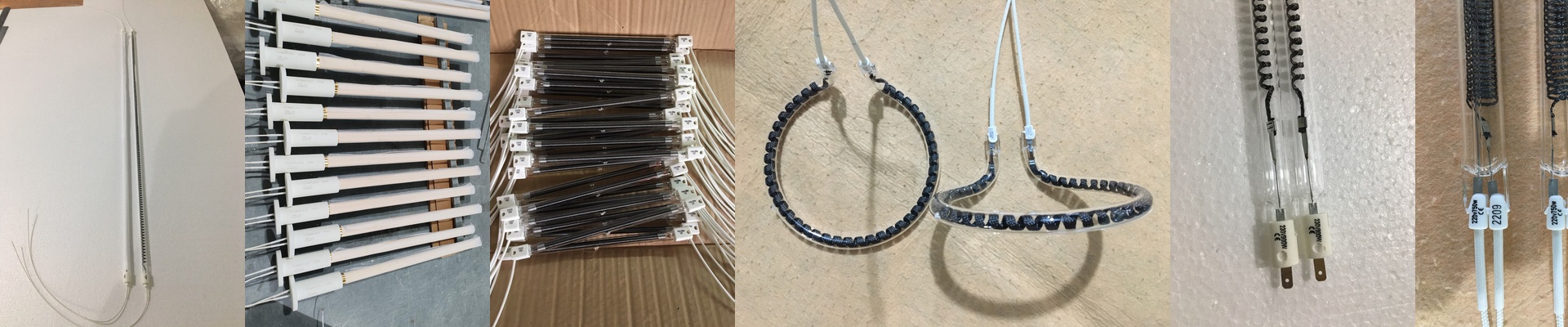
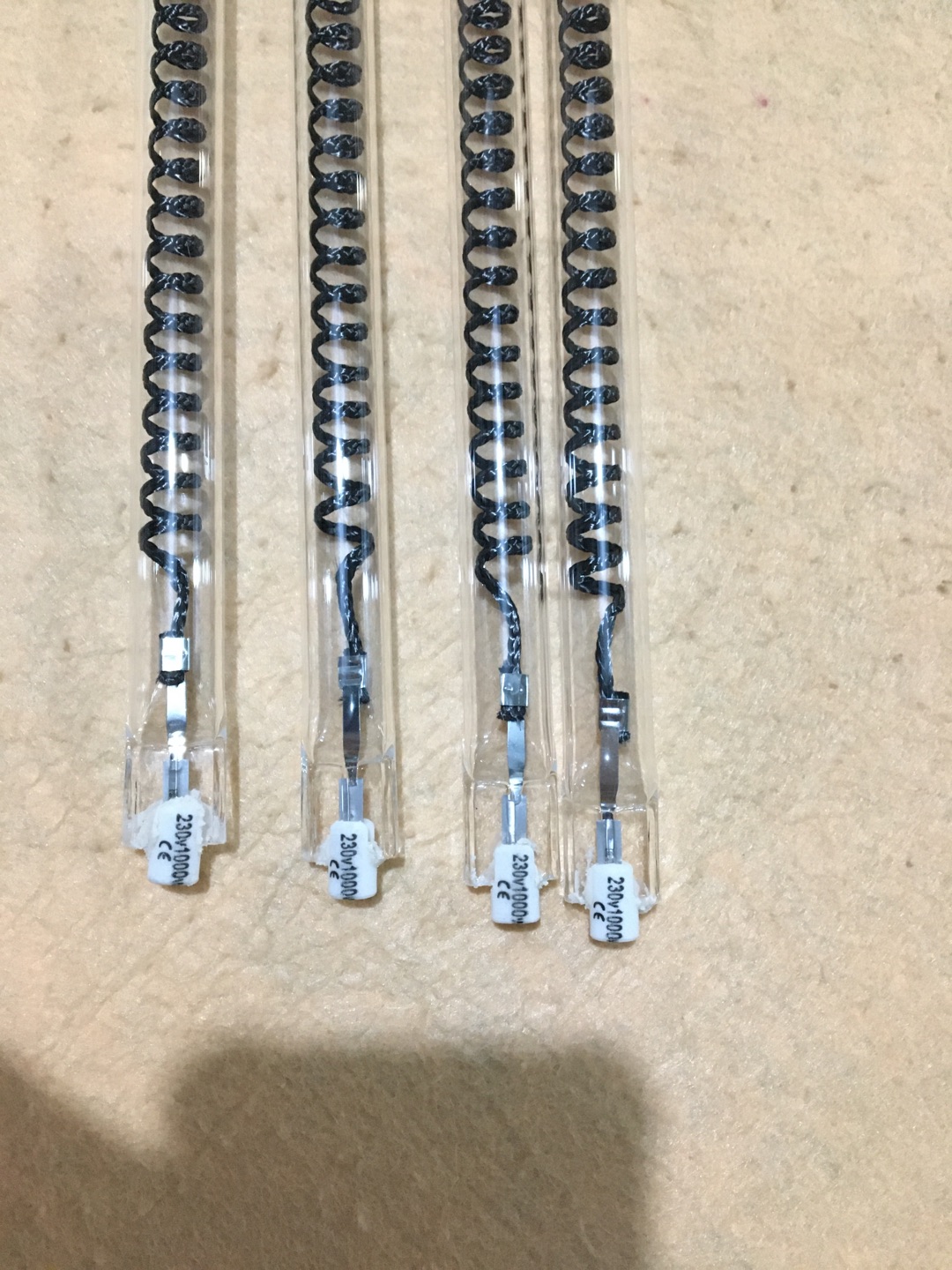
The carbon fiber element sits inside a quartz envelope for a reason. Quartz stays steady at high heat and passes infrared efficiently. Put them together and you get quick response and repeatable heat—without the sluggish lag you get from heavier metal-sheath heaters. And those R7s ends? They’re standard for a practical reason: they give you a secure, aligned electrical connection with solid contact pressure. That means the lamp drops right into existing fixtures. On a shop floor—where vibration and repeated heating and cooling happen every day—loose contacts don’t just cause headaches. They burn things out fast.
Where It Shines—And What to Watch For
Use this lamp when you need fast, localized heat and you can’t afford a long warm-up. In plastics work—like PET blowing or sheet thermoforming—the quick response helps keep the heating window stable and cuts down on scrap. In adhesive curing or coating drying, the infrared output hits the surface without turning the base material into a hot mess. The trade-off is real, though. High heat density means you get a lot of power in a small footprint, but it also means the area around the fixture takes the heat. If you’re running it hard, plan your shielding, airflow, and mounting distance the same way you would for any intense heater. Plan it up front and you avoid the “why is this part melting?” moment later.