Introduction
Here’s the thing. If you’re an engineer who needs intense heat, right where you need it, you don’t want to mess around with a giant furnace. That’s why we built these infrared carbon fiber bulbs. They’re all about delivering a hard-hitting blast of shortwave infrared from a carbon filament. The result? Heat that responds instantly. Perfect for spot heating, drying, or getting materials ready to form.
Getting Under the Hood
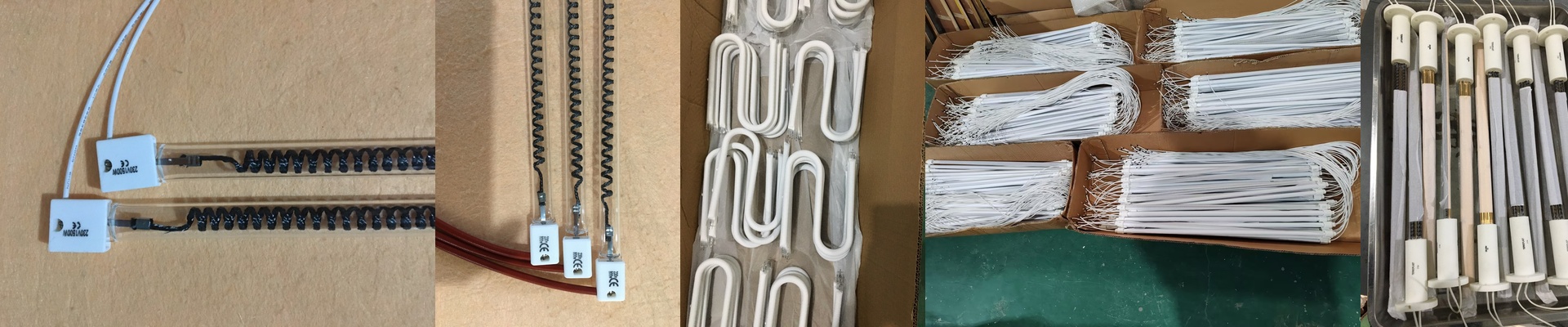
We designed these bulbs to be compact, just 300mm long. That means they slip right into those tight spots on a production line without a fight. To pack this much power, they run on high voltage—usually 400V—which lets them hit up to 2500W of output from a small package. That short, focused design concentrates the heat right where you want it, so you’re not wasting energy warming up the air around the part. But, and this is important, that kind of power needs a stable supply and proper fusing. The wiring and terminals have to be up to the job. So if your machine is set up for a lower voltage, you can’t just swap in a 400V lamp without checking the whole control circuit first.
The Heart of the Beast
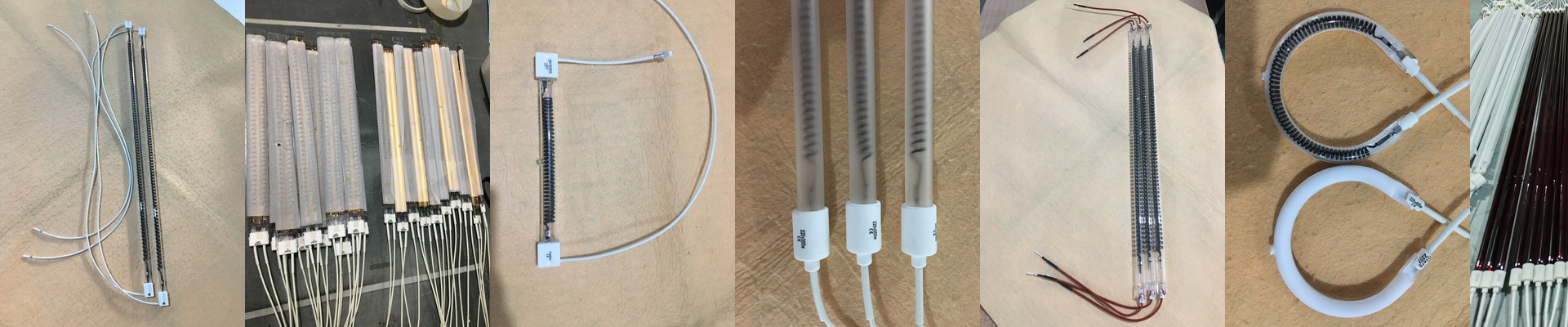
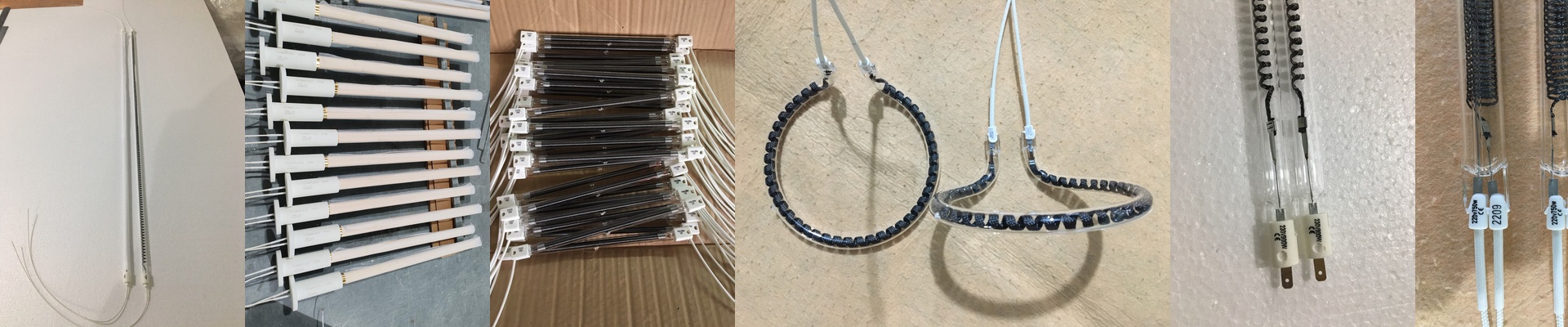
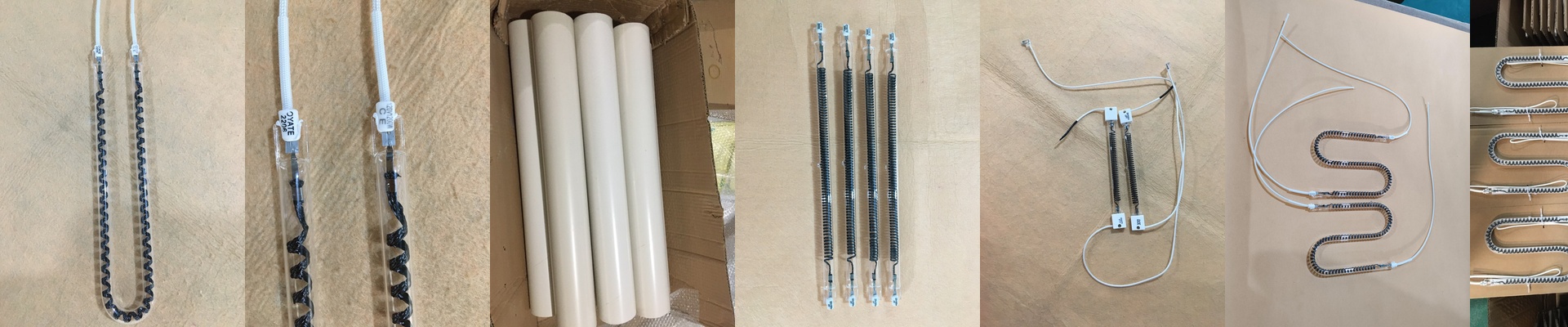
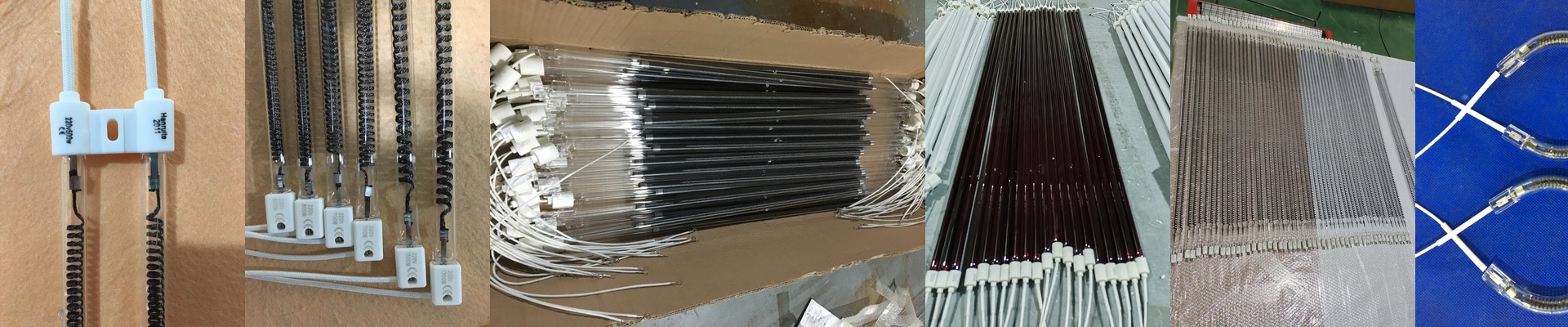
At the core of these bulbs is the carbon fiber filament. It produces shortwave infrared that blasts through surfaces faster than other types of heat. That means your cycle times get shorter. That filament is housed in a quartz envelope. Why quartz? Because it can handle the shock of repeated on-and-off cycles without cracking. It’s tough. We also coat the quartz. This helps shape the heat output and protects everything inside. It also keeps the performance steady over time, so you don’t get any drift during a long run. Then there’s the R7s connector on the ends. It gives you a simple, two-contact connection that drops right into standard ceramic holders. It’s a straightforward replacement, and it stays secure even when things get a little shaky from vibration.
Where It Shines
These bulbs are the go-to choice when you need fast, reliable heat on a specific spot. Think about heating plastics before forming, curing adhesives, or drying coatings. The shortwave heat hits the target almost instantly, and the compact size fits right into your existing machine setup. Now, the trade-off is heat density. A 2500W, 300mm lamp runs seriously hot. So the housing and cooling in your machine have to be designed to handle it. If you don’t manage the airflow and shielding, you risk overheating nearby parts and shortening the bulb’s life. But when it’s paired with the right fixture, the carbon fiber infrared bulb gives you predictable heat, a lightning-fast response, and easy maintenance. It just works.