Carbon Infrared Heating Lamps: The Workhorses Behind Industrial Precision
Here’s the thing about industrial heating: it can be a real energy hog if you’re not careful. That’s why we built these carbon infrared heating lamps. They’re the heart of electric heating systems in demanding industrial settings. Instead of warming up a whole room, these lamps get straight to the point. They deliver focused, radiant heat right where you need it. Think of it as replacing a clunky, old convection heater with a laser-focused solution. The goal? Get the heat onto the target, fast, without wasting a single watt on the air around it.
Power, Voltage, and Size—Tailored for the Job
Let’s get into the details, but don’t worry, I’ll keep it simple. These lamps are built for the real world of industrial machinery. We size the power to match the task. Take a 2500W lamp on a 400V circuit. That gives you the intense heat you need for quick heating cycles. And the length? At 300mm, it’s a sweet spot. It’s long enough to cover a standard screen or component evenly, but compact enough to slip into tight spots inside your machines. That balance of power and size means your engineers can design a system that keeps up with production without eating up precious floor space.
The Secret is in the Carbon Filament
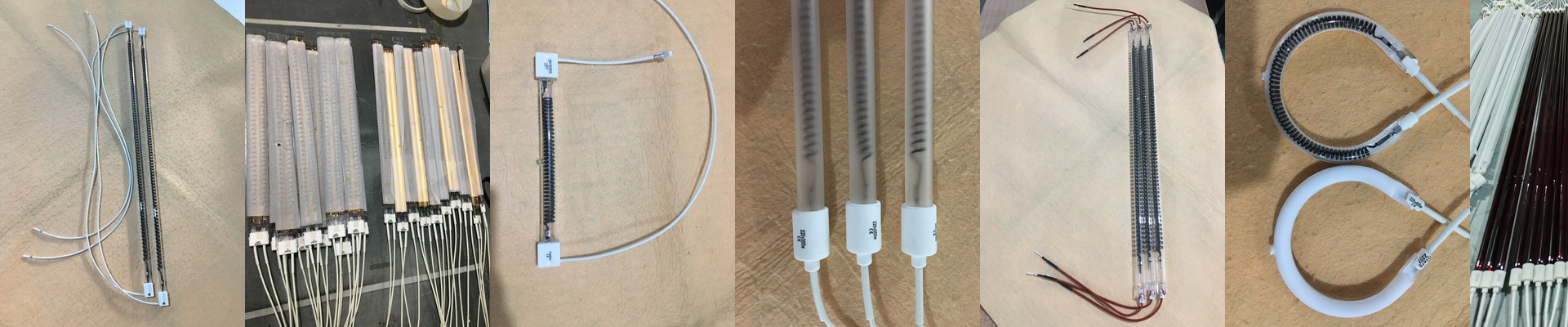
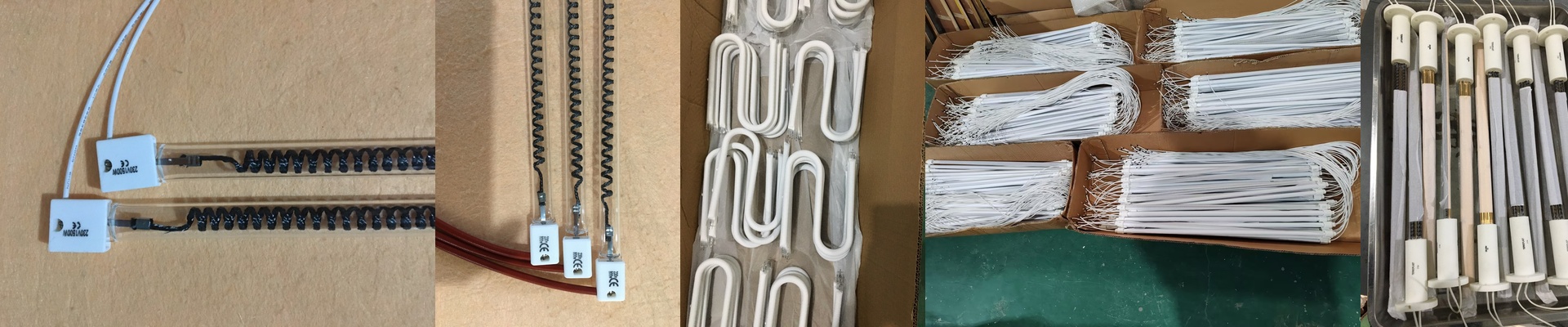
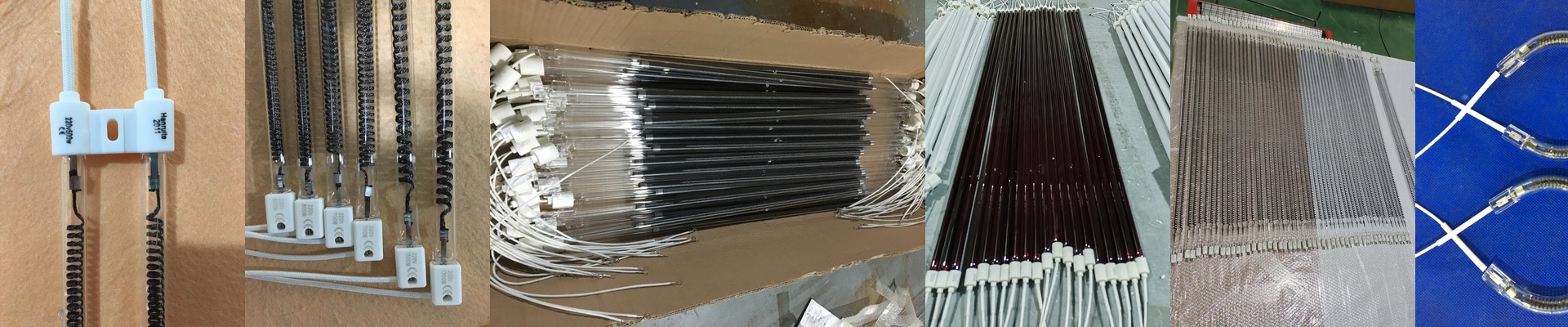
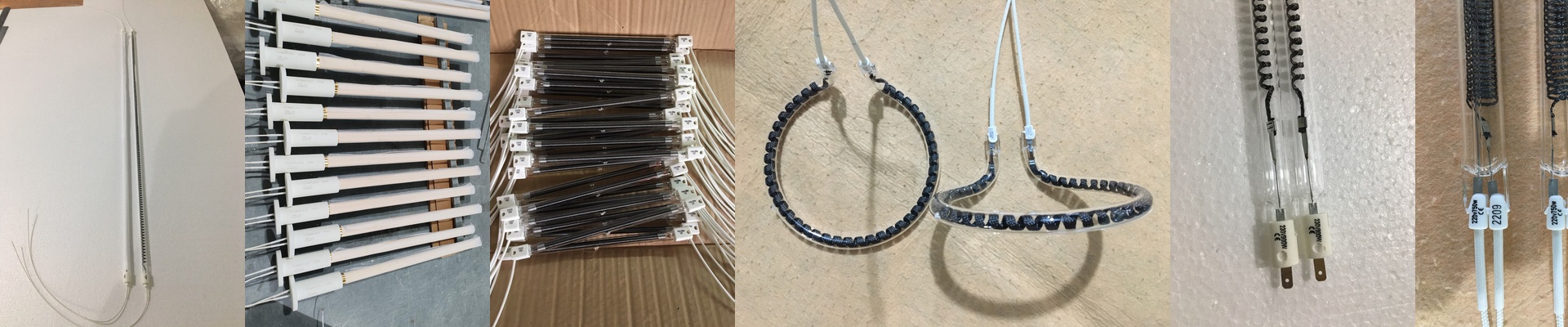
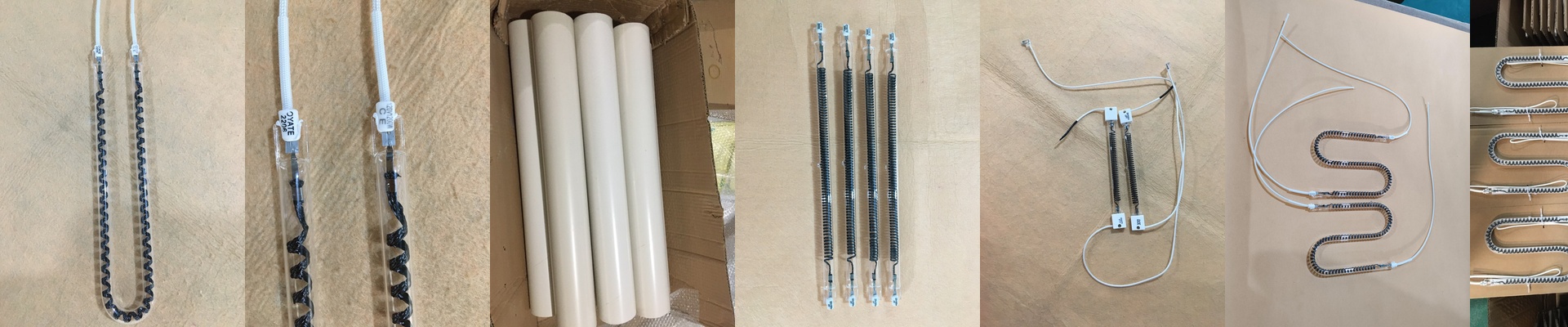
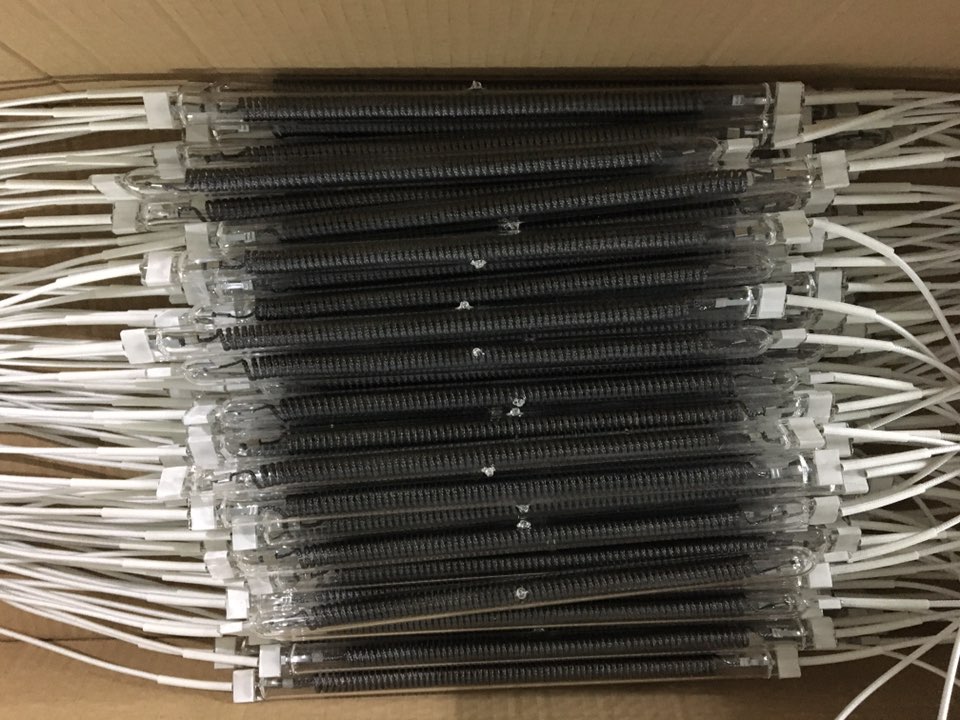
At the core of every lamp is a carbon filament, snug inside a high-purity quartz tube. This combo is brilliant. The carbon filament gives off a broad spectrum of heat, which means it can penetrate coatings and materials evenly. The quartz tube? It just laughs at the high temperatures, staying tough and clear without ever softening. This whole package is built to take a beating on a busy factory floor. The R7s or Sk15 connectors give you a solid, low-resistance connection, and they make installation and replacement a breeze. Seriously, swapping one out during maintenance is a straightforward job.
Precision Heat for Screen Printing and More
In screen printing, these lamps are a game-changer. They dry inks and adhesives almost instantly. The infrared energy hits the substrate directly, curing the ink without overheating the screen. The result? No more sagging, and a much cleaner print. They’re just as reliable for other applications, like duck infrared heating, where you need steady, consistent warmth to condition materials. Now, with all that intense heat, you do need to think about thermal management. It’s non-negotiable. The machine housing these lamps has to have a properly sized cooling system to handle the extra ambient heat. It’s the best way to protect the components and keep everything running smoothly for the long haul.