Introduction
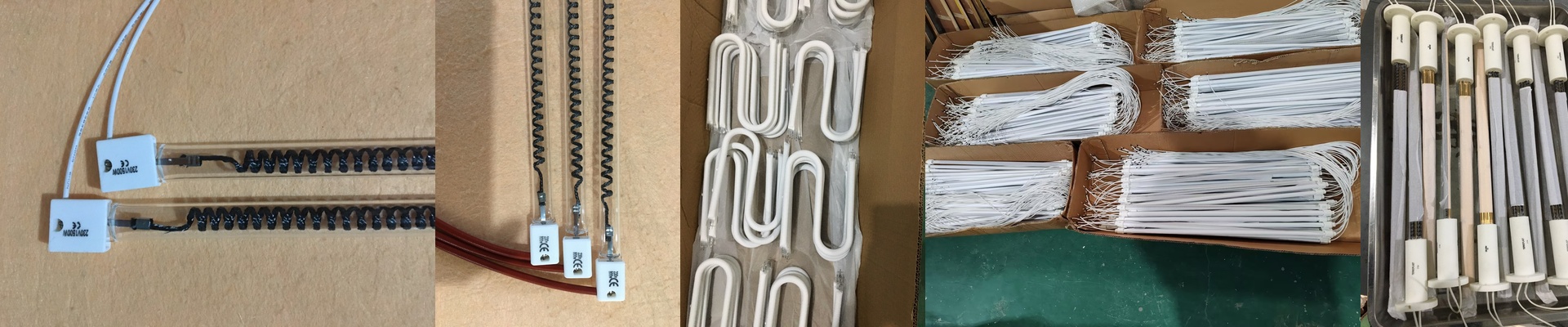
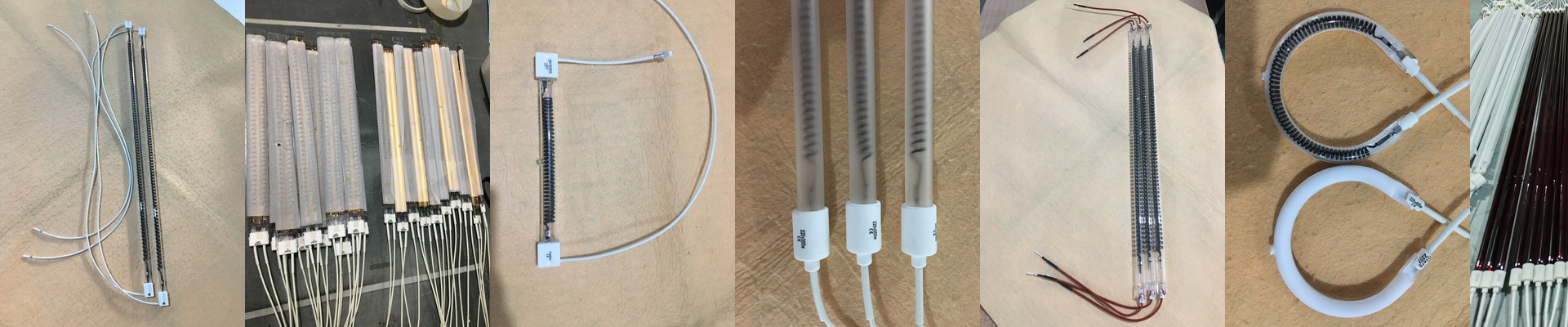
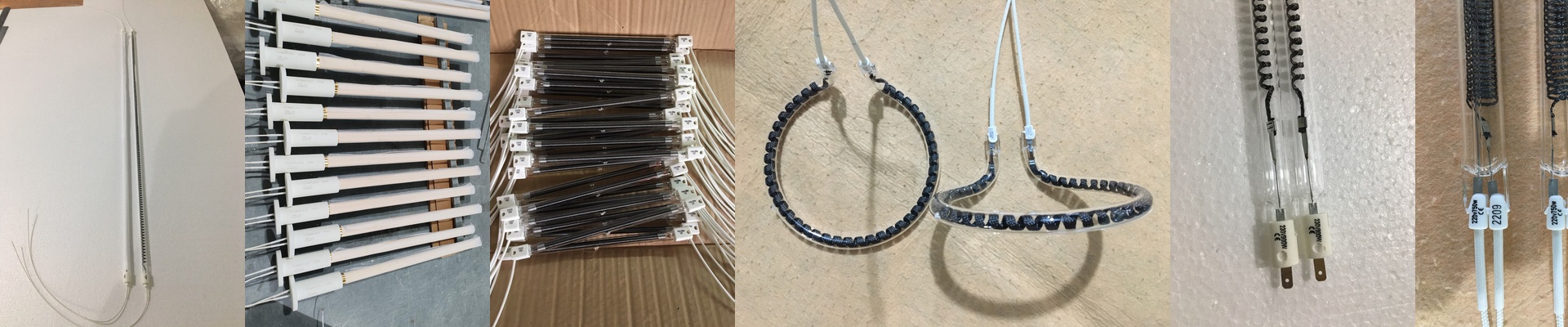
We built this quartz carbon heat lamp for engineers who need a serious, compact heat source—one that slides straight into existing gear. This isn’t about gently warming a room. It’s direct, line-of-sight infrared, built for speed and repeatable control in automated cells where space is tight and every second counts.
What’s Under the Hood
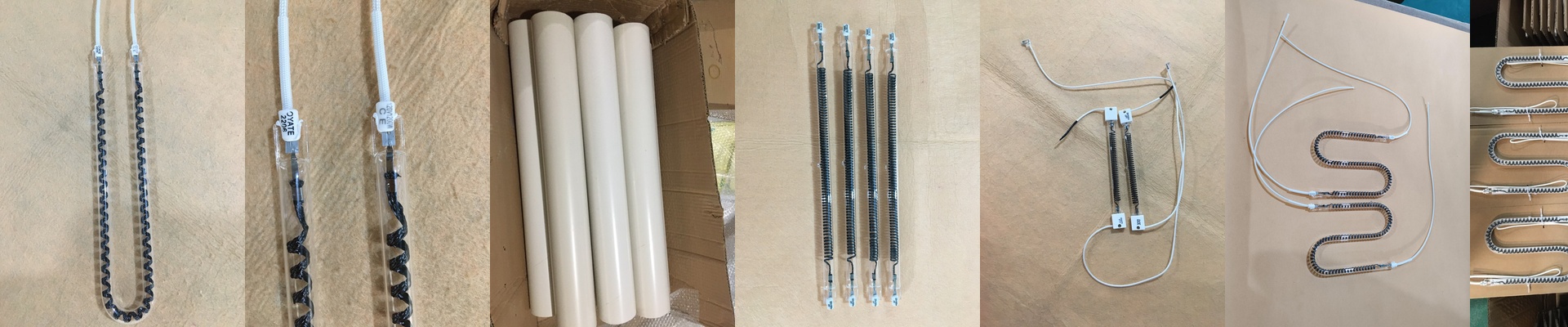
Let’s talk power. The lamp packs 2500W into a 300mm tube, giving you intense heat in a small footprint. That’s why we run it at 400V. Higher voltage means lower current for the same power, which lets you use smaller wiring, cut energy loss, and keep voltage drop low—even over longer runs. The result? Stable output at the lamp, without pushing your power supply to its limits. The 300mm length wasn’t an accident. It’s long enough to spread the heat evenly along the arc, but short enough to slip into tight reflector setups and cramped machine bays. If you’re retrofitting a design that was originally built around compact radiant heaters, this just fits.
Materials and Design, Explained Like We’re Standing in the Workshop
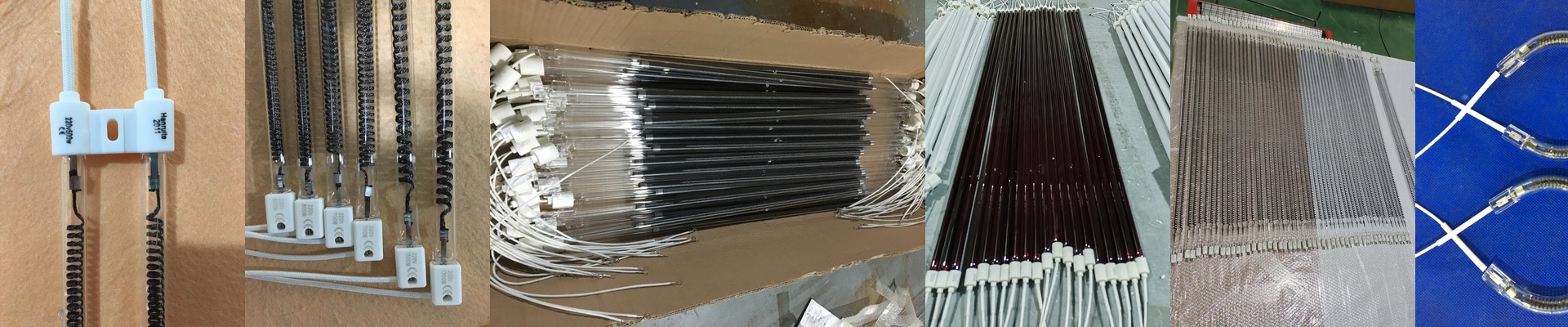
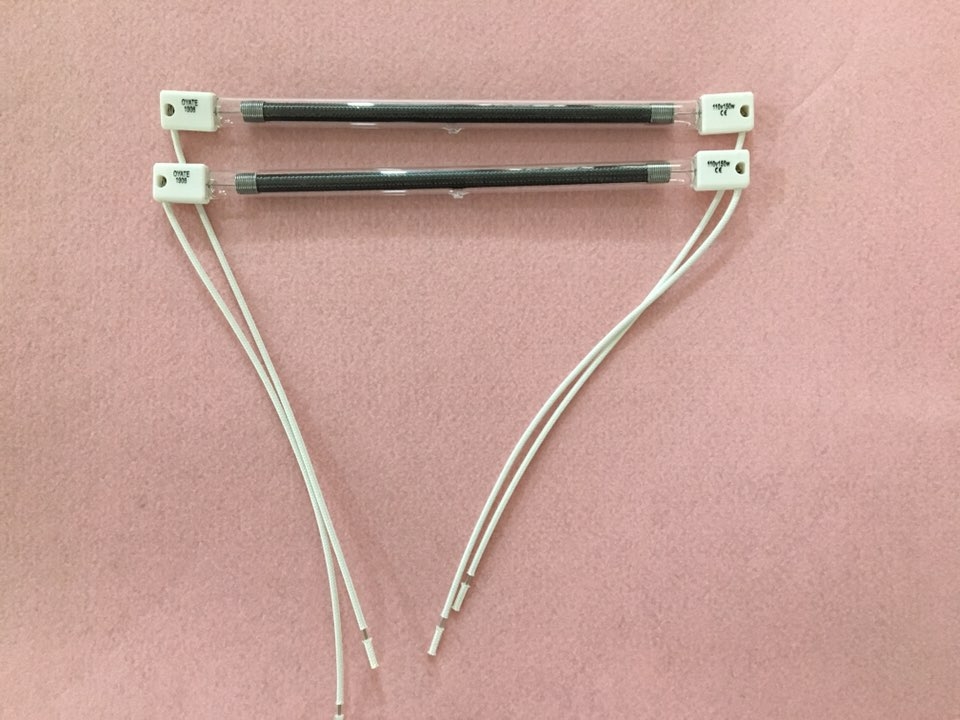
The quartz envelope handles rapid heating and cooling without warping, even when the filament runs hot. Inside, the carbon filament throws a broad infrared spectrum that gets heat into materials fast. The halogen gas fill does something clever: it creates a regenerative cycle. Filament material that evaporates reacts with the halogen and redeposits back onto the hot filament, not the cooler walls. So the lamp stays bright and consistent over time, with less blackening. We coat the outer surface to tune the output and manage surface temperature. That coating cuts visible glare and helps control how much heat escapes through convection, so more of the energy leaves as usable infrared. And the R7s base? It’s the practical call for this shape. The two-end support handles the quartz tube’s thermal expansion without stressing the seals. Installation is quick and solid: slide it in, line up the pins, and lock it down.
Where It Shines—and What to Keep in Mind
In real production, this setup is for processes that need heat on demand, fast—think plastic forming, adhesive curing, and component drying. The lamp hits operating temperature quickly, so you can sync heating with machine motion and trim idle time. Here’s the trade-off, though: 2500W means serious heat density. Your enclosure and cooling system need to be set up to handle the added ambient load. Get the airflow and shielding right, and you’ll have predictable temperature profiles, easier control tuning, and a lamp that keeps performing, cycle after cycle.