Spec Sheet: Why 230V and 1000W Actually Matter
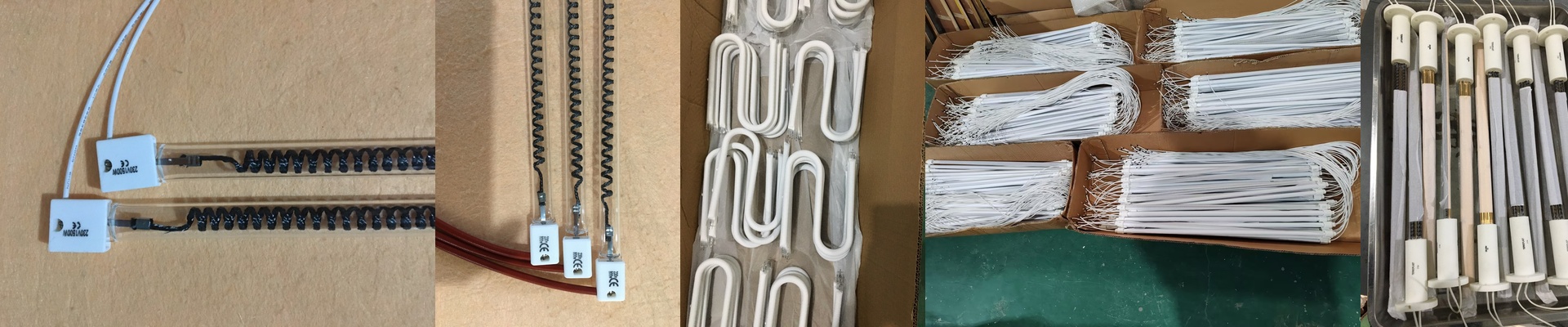
Here’s the thing about this heat lamp: we spec’d it at 230V and 1000W for a reason. It’s not just numbers on a page. On the shop floor, 230V keeps the current draw reasonable. That means you’re not fighting voltage drop, and you don’t need oversized wiring. It just makes life easier. And the 1000W? That power density gives you fast heat-up, which shaves time off cycles—especially on machines like PET blowing lines. This is straight-up resistive heating, so the output is predictable. No fancy controls needed. Just stable, steady heat you can count on, even when the machine runs all day.
Material and Design: Carbon Fiber Core, R7s Mounting
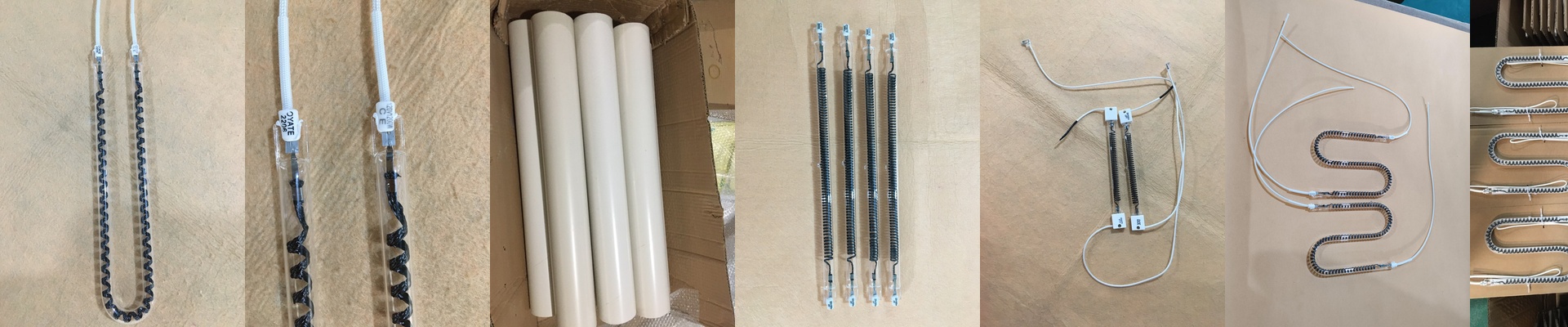
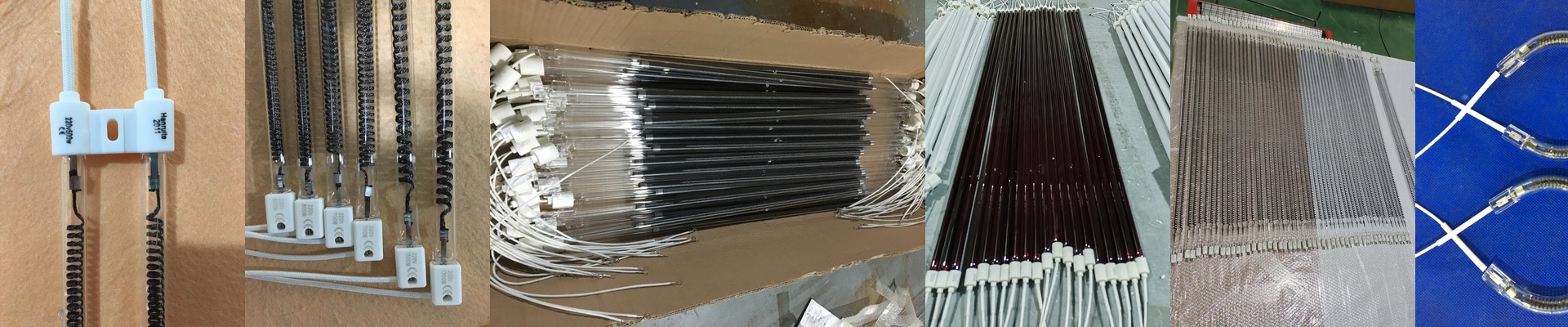
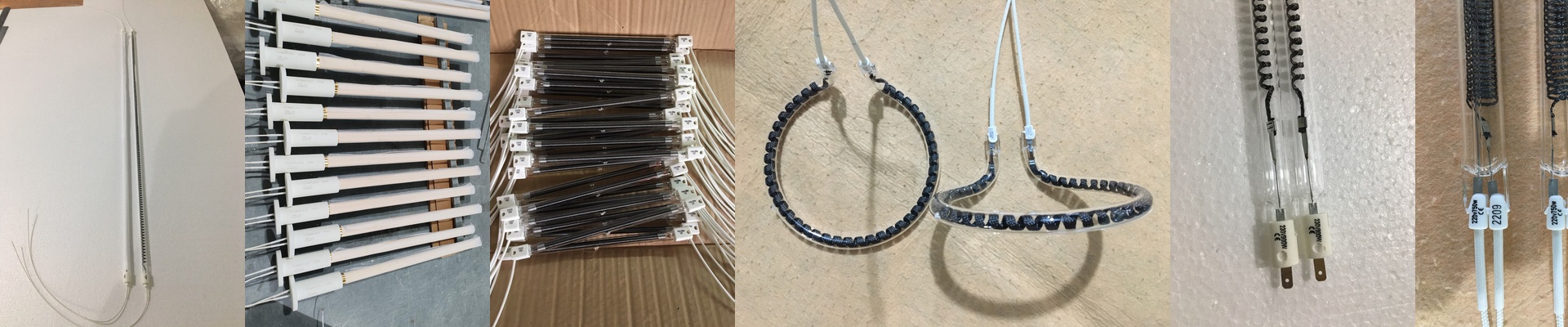
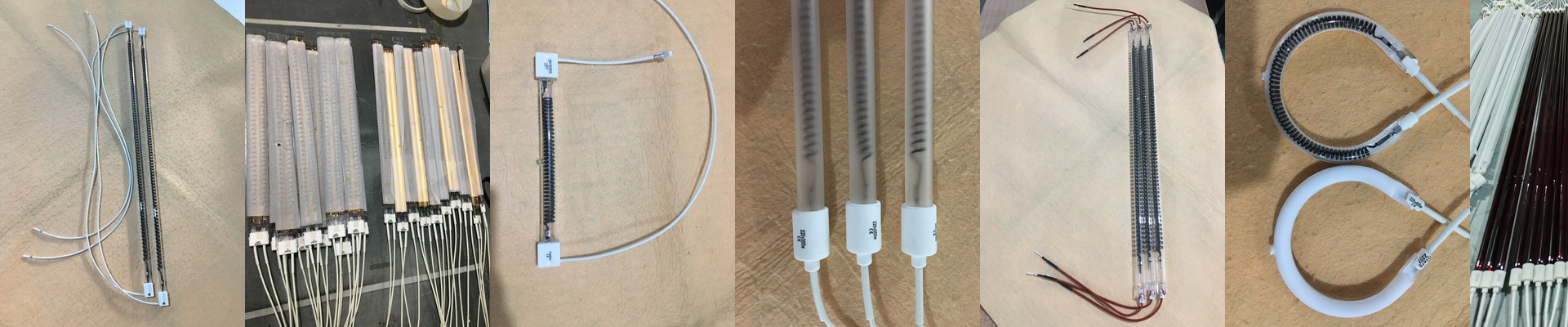
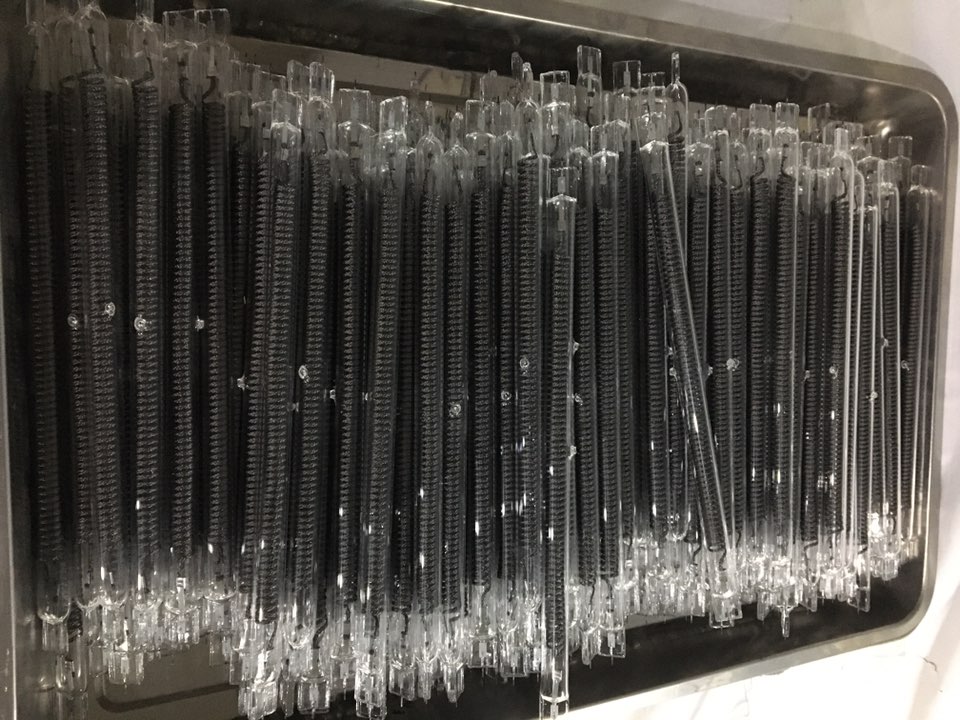
Inside, you’ve got a carbon fiber element instead of the old coiled wire. That means it’s tough, lightweight, and handles sudden temperature swings without burning out. It heats up fast. And it cools down fast. That kind of responsiveness makes your process more repeatable, which is a quiet kind of relief when you’re trying to keep things moving. The quartz envelope is built to take the heat and the jolts from vibration, too. And the R7s base? It’s a straight swap for most line-of-sight heaters. Wire it the same way, keep the same clearances—no re-tooling headaches.
Application and Reality Check
This lamp shines wherever you need focused infrared heat: PET bottle preform heating, plastic thermoforming, coating curing. It cuts the warm-up lag and helps the line keep its rhythm. But let’s be real: packing 1000W into a compact form means you need proper airflow and thermal management. Plan your guarding and cooling so ambient heat doesn’t overwhelm nearby components. Set it up right, and it just works.