Carbon Fiber Quartz Heating Lamps for PET Processing: The Real-World Specs and Why They Matter
If you’re running PET processing lines, you know how much the little details matter. Especially when it comes to heating. That’s where a carbon fiber quartz heating lamp comes in. It’s not just another heater—it’s a tool built for one thing: getting plastic surfaces hot, fast, and exactly where you need the heat.
Power, Voltage, and Size: The Specs That Actually Help You
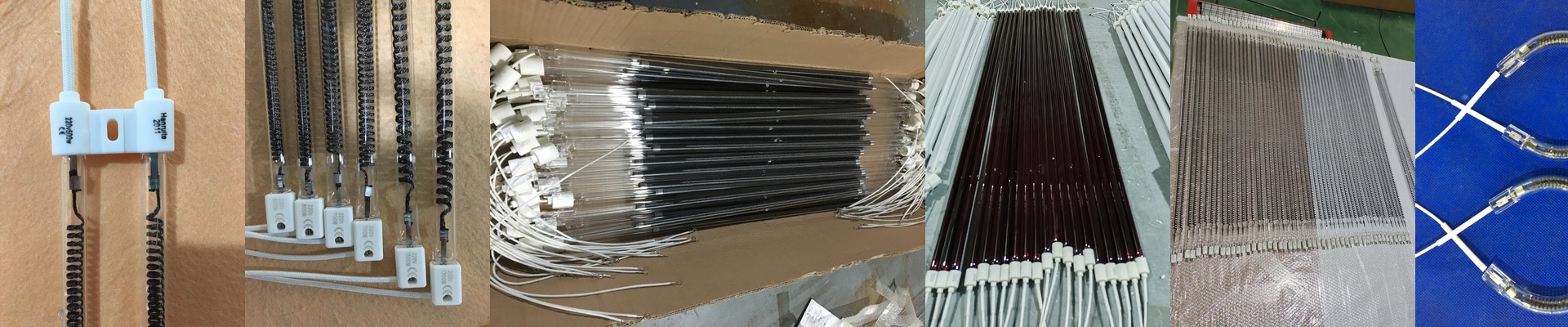
Here’s the thing about these lamps—they pack a lot of heat into a small space. A typical unit runs at 2500W and is built for 400V. Why does that matter? Because that high-voltage setup keeps the current lower. That means your wiring stays cooler, and your terminals don’t get stressed. And the 300mm length? It’s all about focus. The heat goes right where you point it, with way less wasted energy outside the target zone. You get a tight, clean thermal profile that lines up perfectly with preforms and parisons.
The Materials: Quartz and Carbon Fiber, Paired for a Reason
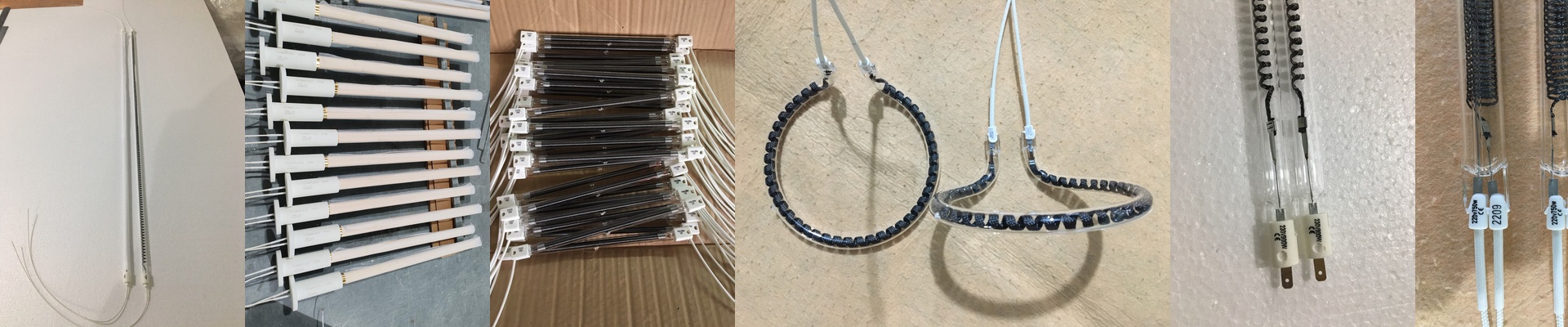
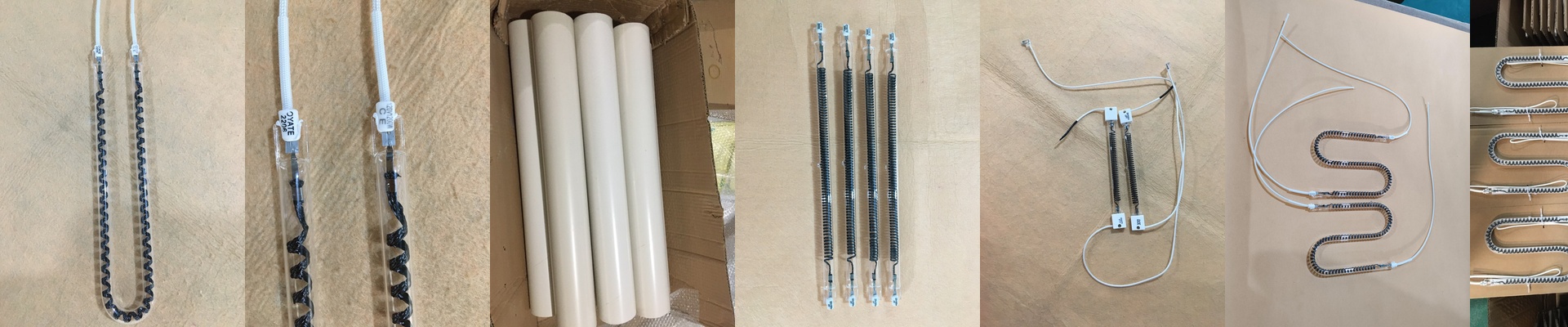
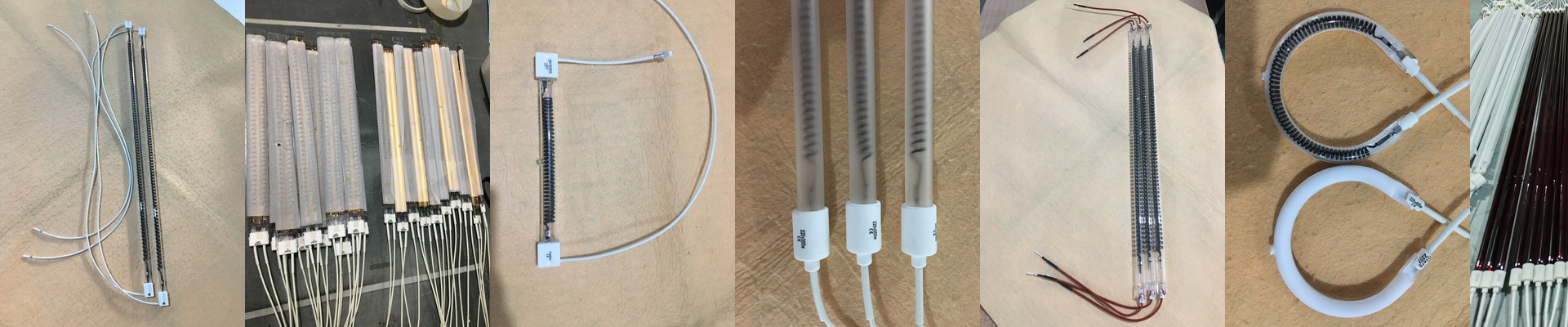
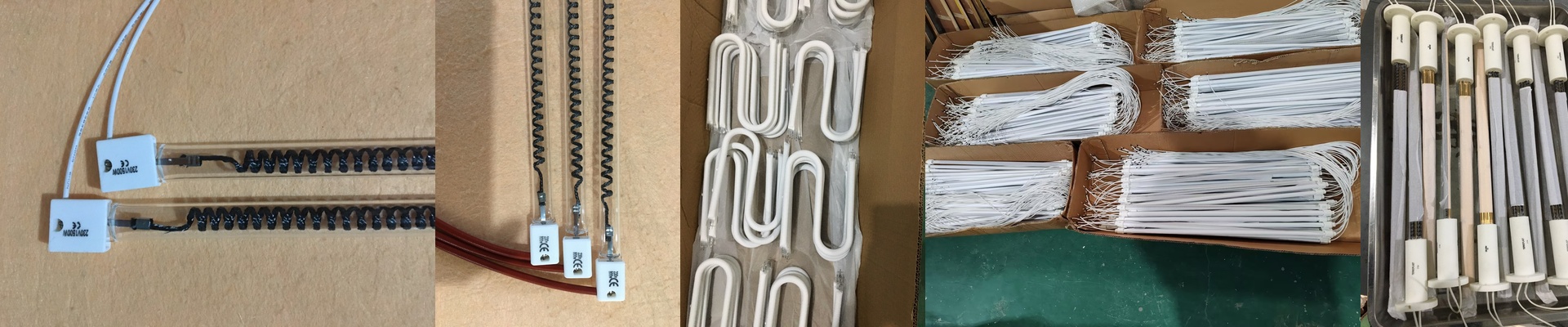
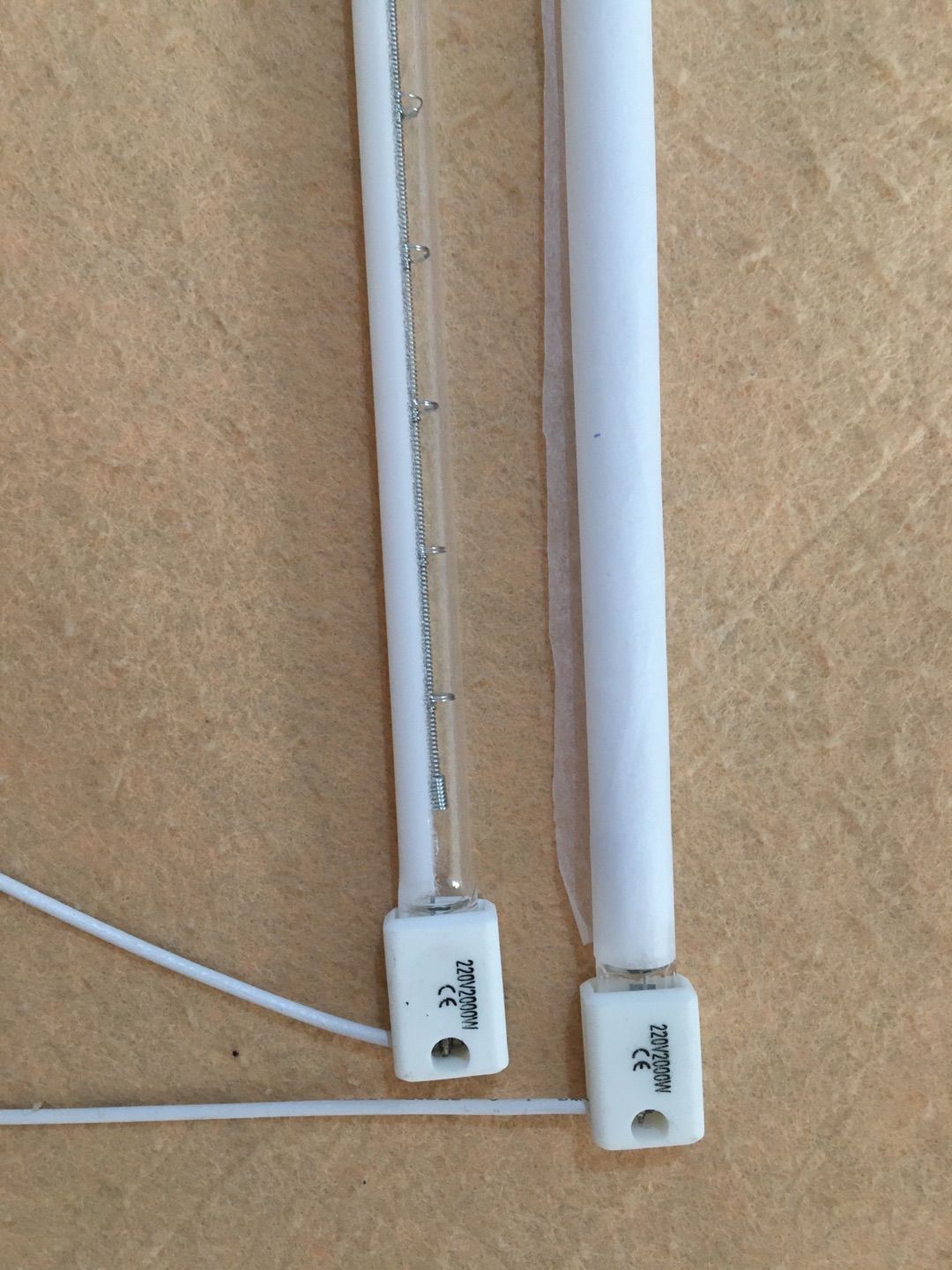
The quartz envelope is tough. It handles rapid heating and cooling without blinking, and it stays clear for strong infrared output. Inside, the carbon fiber filament is the workhorse. It heats up quickly, holds steady resistance, and takes thermal shock in stride. That combo means fewer burnouts, even when you’re cycling the lamp on and off all day. And the R7s connector? It’s simple, compact, and reliable. It slips right into standard holders, installs fast, and keeps a solid connection even when things expand and contract with the heat.
How It Feels on the Line, and What to Keep in Mind
In PET processing, time is money. You need heat that hits hard and even, so your cycle times stay low. These lamps get up to temperature fast, and the radiation is focused, so you’re not throwing energy away. But—and this is important—that kind of heat density needs respect. You’ll want solid cooling and enough clearance. Plan your airflow and add shielding to keep ambient heat in check and protect nearby parts. When it’s set up right, the payoff is simple: predictable heating, steady performance, and one less headache on the floor.