Infrared Carbon Heat Lamps: The 220V 1500W Configuration
We built the 220V 1500W infrared carbon heat lamp to be a straight-up swap for the tough heating jobs in industrial work. The 220-volt rating lines up with most factory power, so you don’t need extra transformers. And the 1500-watt punch? It delivers serious heat from a small footprint. That’s the whole point: machines get up to temperature fast. On high-throughput lines, even a short warm-up can cost you. With this lamp, you cut that downtime.
Core Technical Specifications
That 1500-watt number isn’t random. It’s sized to hit a specific heat flux—enough to melt plastics or cure coatings within the cycle time you need. Running at 220V keeps the current right for the rated power, so the wiring and socket stay within safe thermal limits. And the length? It’s matched to the heater block or reflector, so the infrared energy lands where you want it. A shorter tube gives you a concentrated heat footprint. A longer one spreads it out. Get the dimension right, and your process stays repeatable.
Material and Engineering Design
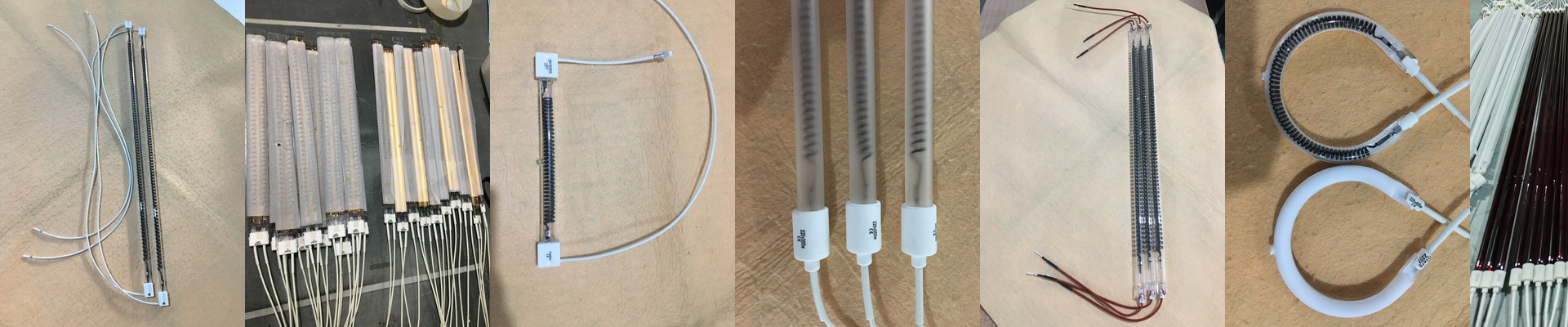
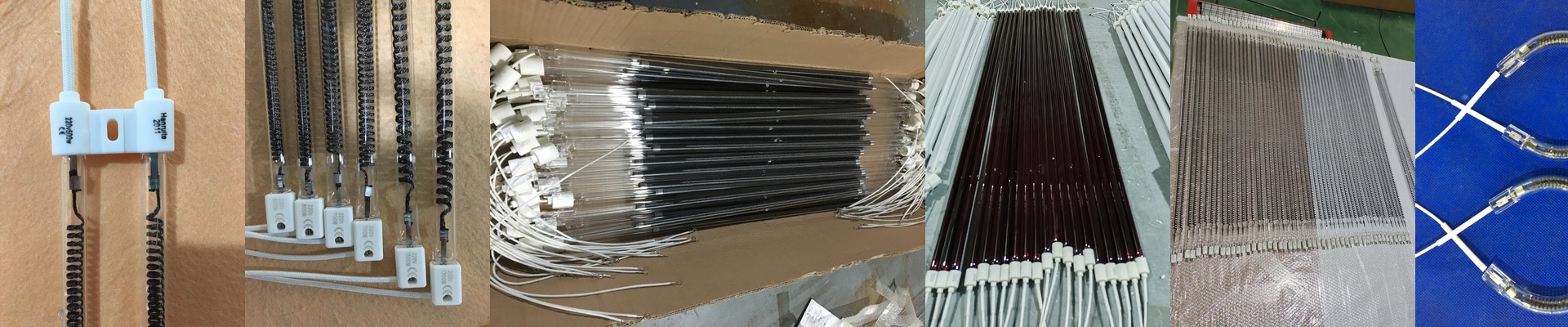
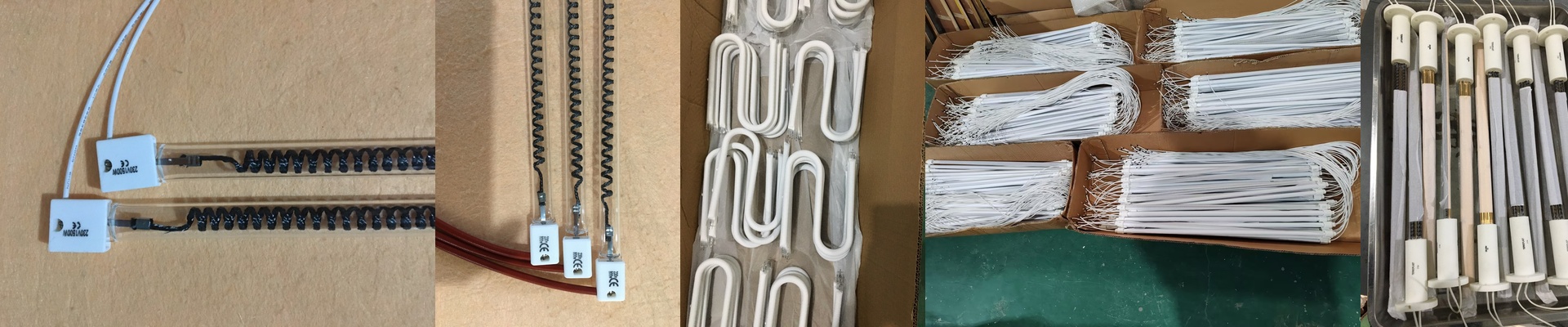
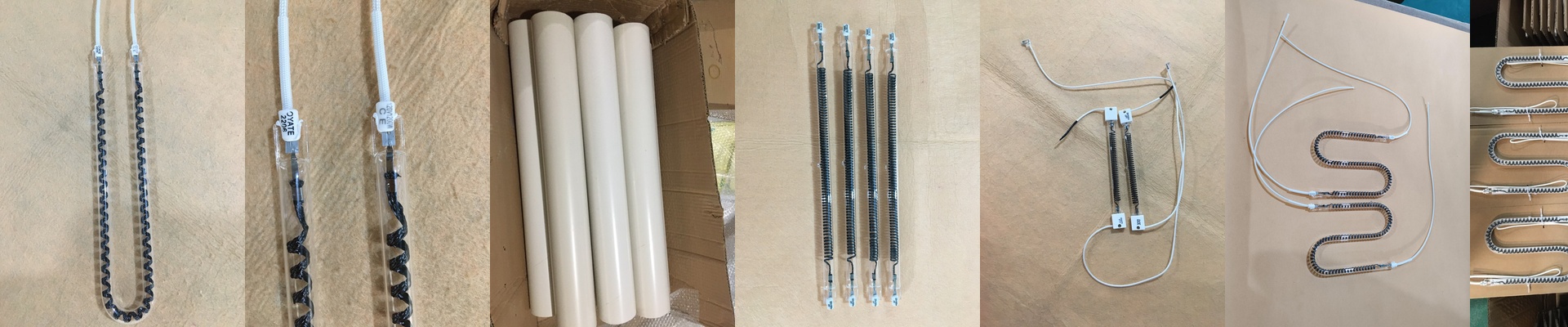
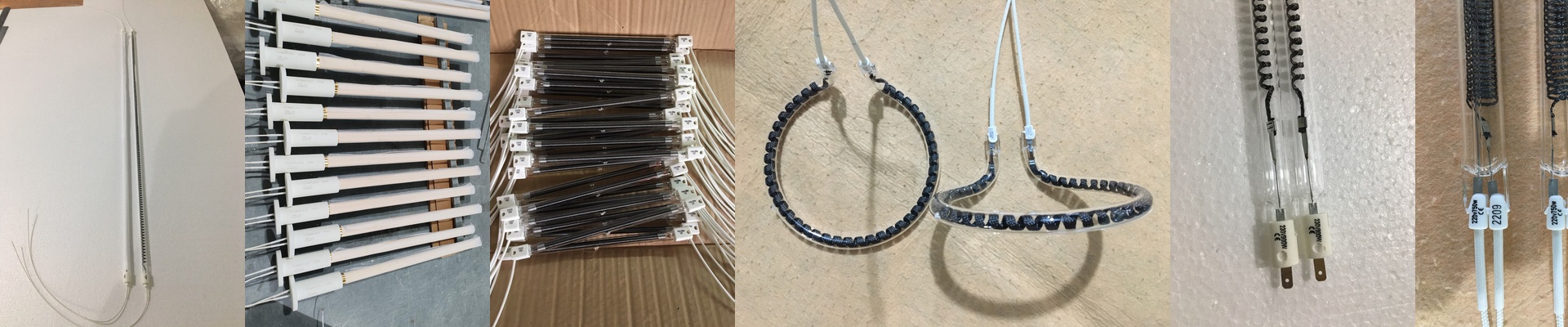
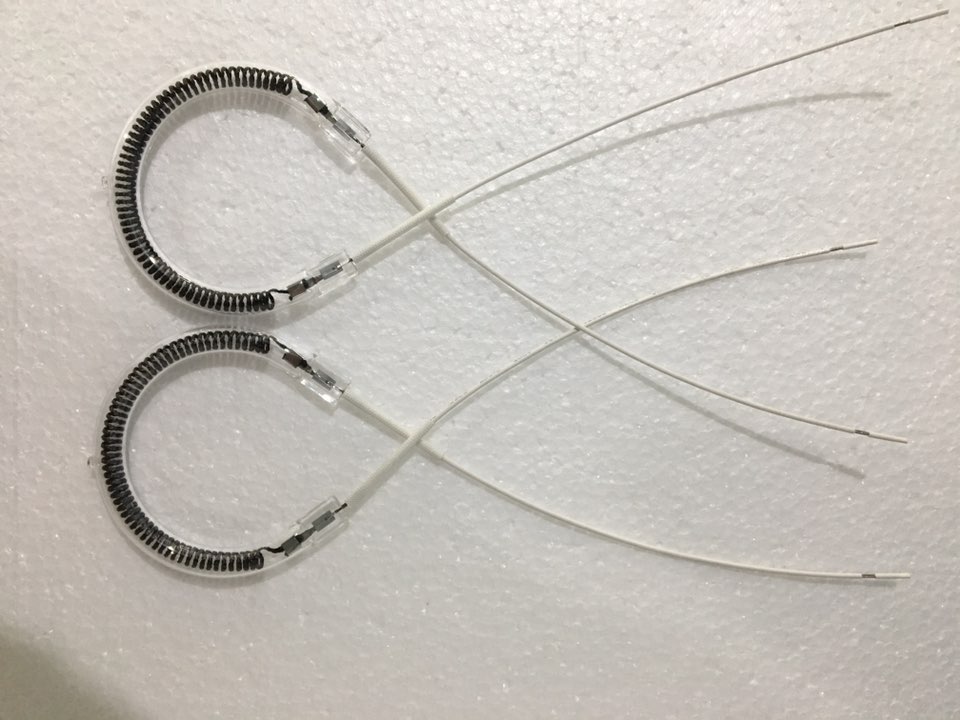
At the core is the carbon filament, tucked inside a quartz envelope. Carbon throws out a broad infrared spectrum—perfect for penetrating and heating organic materials. The quartz glass handles the heat and resists thermal shock. Inside, a halogen gas fill keeps the filament from degrading, which helps the lamp last longer. This thing is built to take the rough and tumble of a production floor. For the connection, we use R7s or SK15. These bi-pin ends give you a secure, low-resistance electrical connection that’s easy to wire and easy to replace.
Application and Engineering Trade-offs
These lamps shine where you need fast, localized heat—think PET blowing, plastic welding, and paint curing. The high heat density is a major plus. But here’s the trade-off: that concentrated energy means the surrounding machinery needs solid cooling, or it can overheat. We make these as drop-in replacements, but you still need to make sure your machine’s airflow and mounting hardware are up to the thermal load. This lamp is a tool. And like any tool, it performs best when the system around it is set up right.