The Quartz Carbon Infrared Heating Lamp: Built for Speed and Power
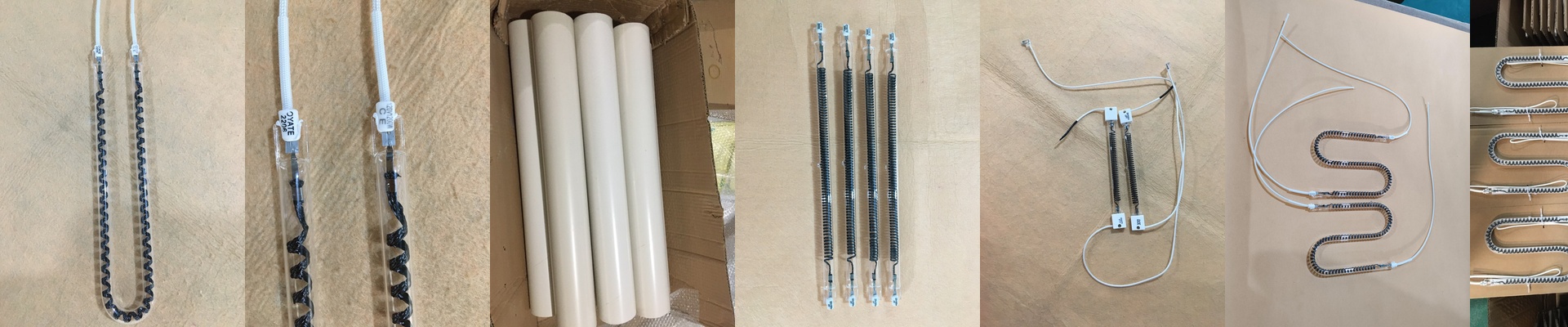
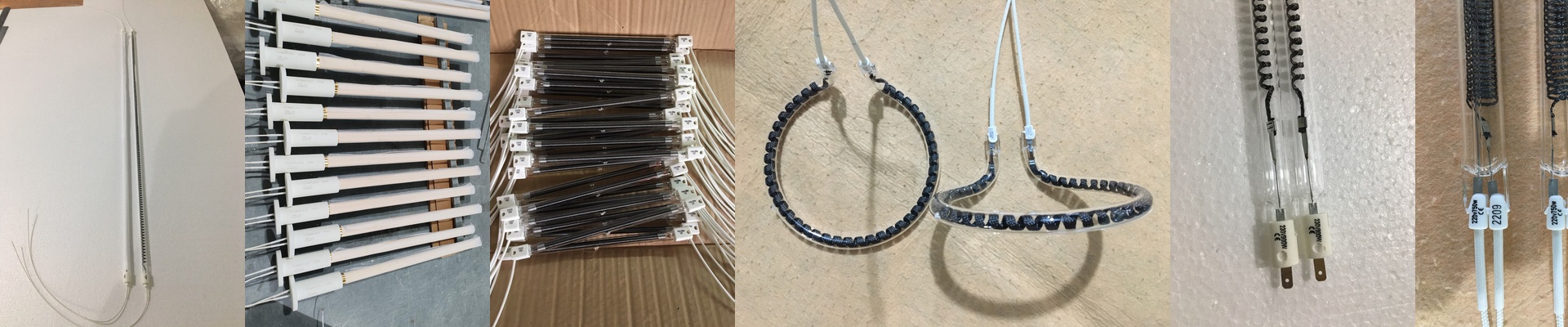
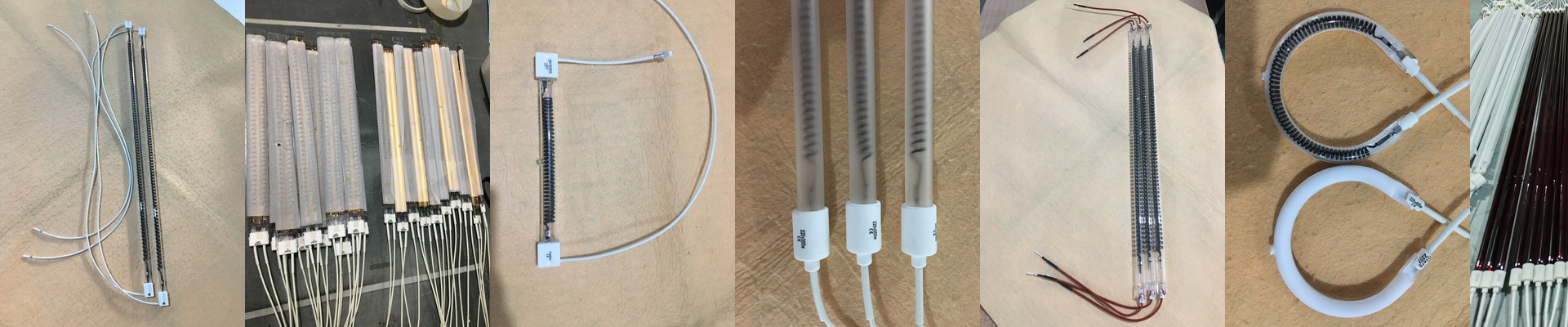
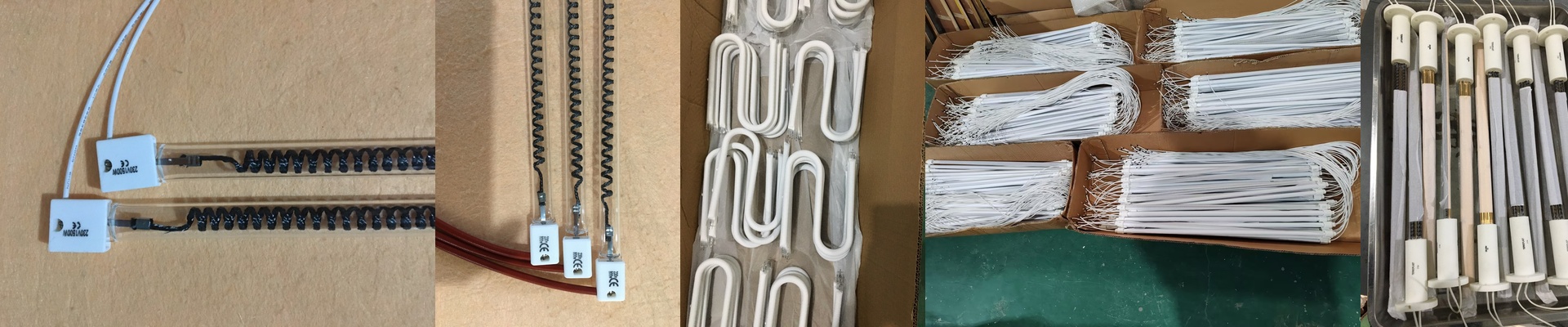
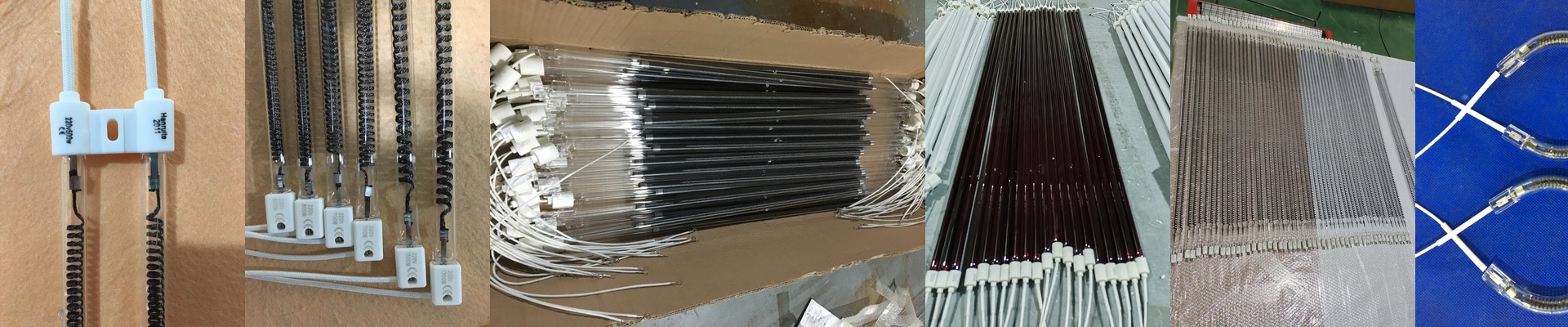
Let’s talk about a piece of gear that doesn’t mess around: the quartz carbon infrared heating lamp. We built this thing for one reason—to handle industrial heating jobs where you need heat, and you need it fast. Think of it as the opposite of a slow-warming space heater. It’s a shortwave infrared powerhouse, designed to deliver a concentrated blast of heat for serious work like plastic thermoforming, drying, and curing. This isn’t some general-purpose heater. It’s a precision component, meant to be the beating heart of a production machine—the kind of place where space is at a premium and every second counts.
What’s Under the Hood: Power, Voltage, and Fit
Here’s the thing about this lamp: its specs are what make it special. We typically set it up for a 400V high-voltage configuration. Why? Because that lets us pack a serious amount of wattage into a seriously compact package. A common setup gives you 2500W of power, all coming from a tube that’s just 300mm long. That combo means you get a massive amount of heat concentrated in a small space. It’s what allows you to get your target materials up to temperature almost instantly. Going with 400V also has a nice side effect. It keeps the electrical current lower for the same power, which means less energy loss and you don’t need heavy-duty wiring. And that 300mm length? It was chosen specifically to fit into standard machine footprints, so for a lot of setups, it’s a simple, direct swap.
The Design That Makes It Work
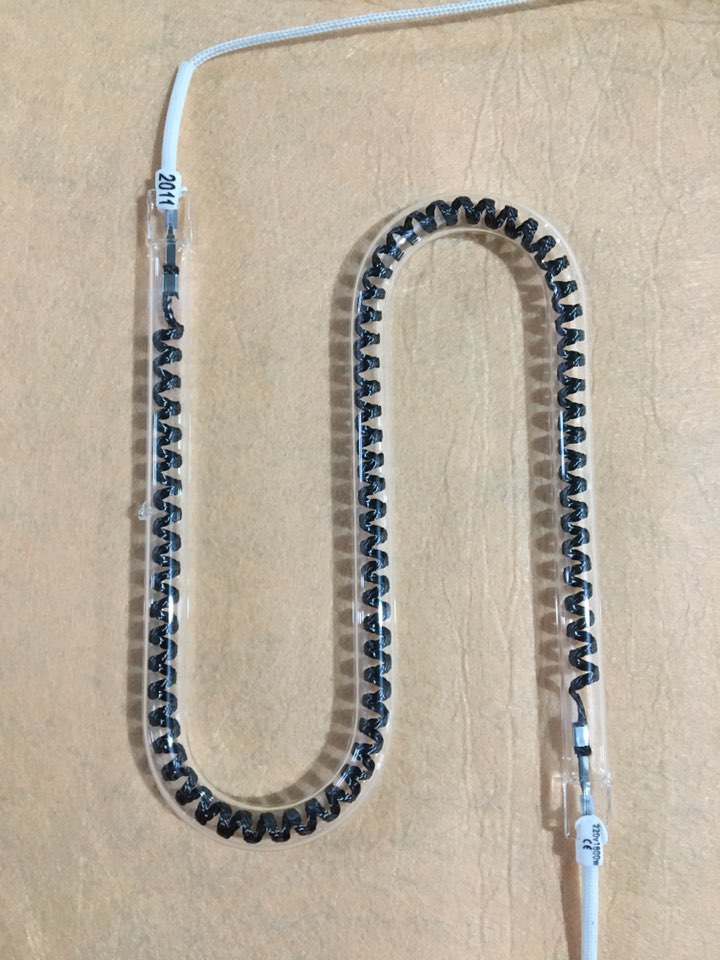
Let’s break down the build. The quartz tube itself is a workhorse. It can handle the extreme heat and the shock of turning on and off again and again, without cracking under the pressure. Inside, the carbon filament is what generates that shortwave infrared heat. It gets right into the material, fast. And the halogen gas inside the tube does a crucial job—it keeps the filament stable, preventing those hot spots that kill other bulbs and giving the lamp a longer life. We also added a reflective coating to the back. This isn’t just for looks. It pushes more of the energy forward, right where you need it, so you get more usable heat and less waste. For the connections, we use an R7s connector. It’s a standard for a reason. It gives you a solid, two-point contact that can handle the way the quartz tube expands and contracts with the heat. It keeps the connection tight, simplifies the wiring, and stops those annoying hot spots from forming at the ends.
Where It Shines and What to Keep in Mind
This lamp configuration is a natural fit for applications like PET blowing, thermoforming, and coating lines. It’s all about that fast heat-up and the kind of precise control that makes a difference on a production line. The shortwave heat is great at getting into plastics quickly, and when you’ve got the control dialed in, you can heat things up without scorching the surface. Plus, the compact size and standard R7s connector make it a breeze to swap out in machines that are already set up for it. Now, a reality check. This thing is powerful. All that power means you need to have proper cooling and thermal management in place. Your machine’s ventilation and reflector setup need to be up to the task. But if you run it within its rated voltage and give it the right mounting clearance, you’re in good shape. You get consistent, repeatable heat, and you can count on it to run predictably between maintenance checks.