Technical Support for Electronics Heating
Here’s the thing—when you’re standing in front of a broken machine, you don’t want a lecture. You want a fix. That’s why we built our heating solutions around one simple idea:drop-in replacement. You need a heating element that just wires up and works, without forcing you to redesign the whole thing. That’s exactly what our technical support is all about.
Technical Deep-Dive: Power, Voltage, and Dimensions
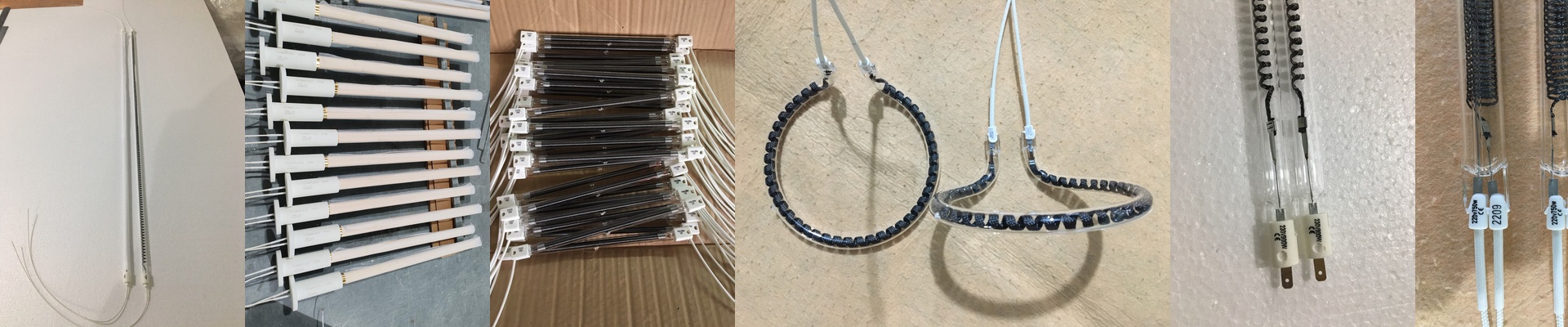
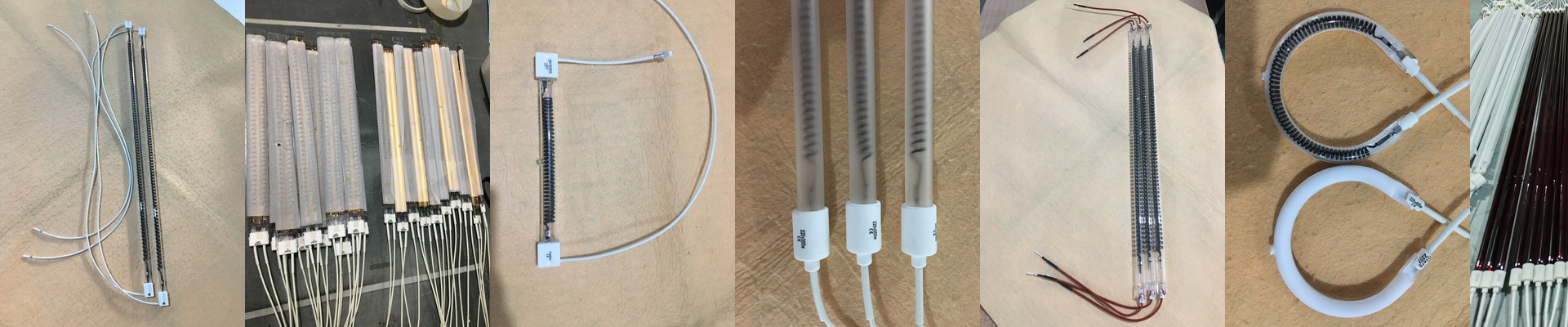
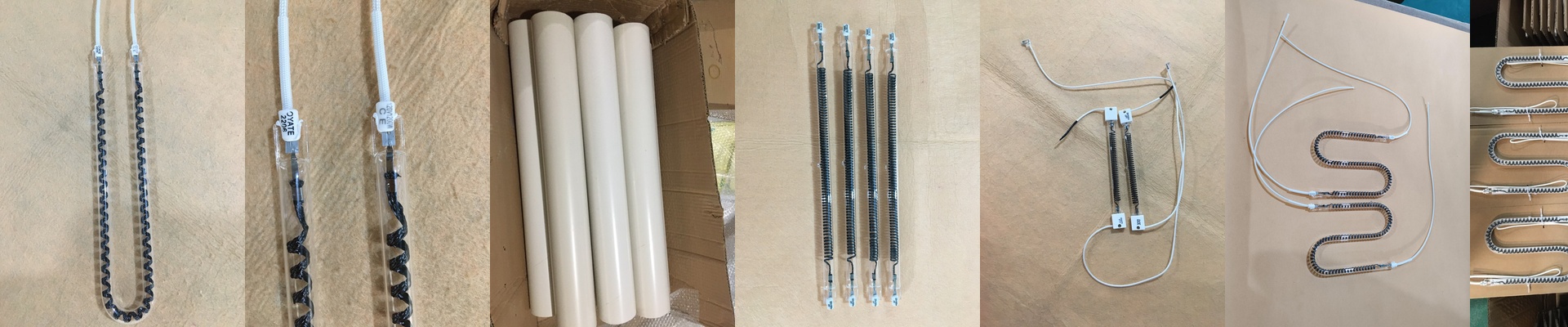
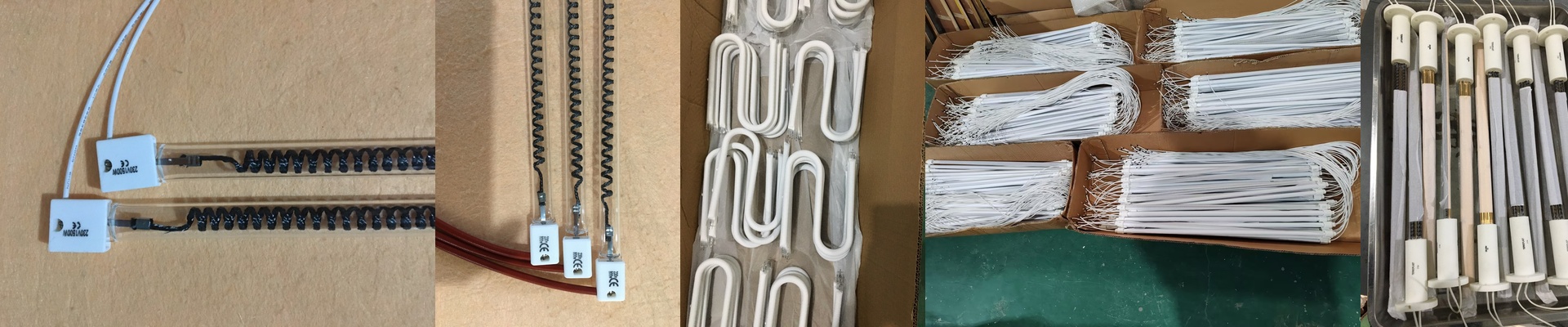
Our heating lamps aren’t built for hobbyist tinkering. They’re made for the real world—industrial duty, day in and day out. We match voltage and wattage to exactly what your job demands, so you get the right heat density, right where you need it. Take our 400V setup, for example. It gives you the power you need to run high-wattage loads over the full length of the job. And the physical fit? We’ve standardized the tube length and diameter so the lamp slips right into your existing mounts and reflectors. That means the heat profile stays exactly the same as the original.
Material & Design: Coated Elements and Interface Standards
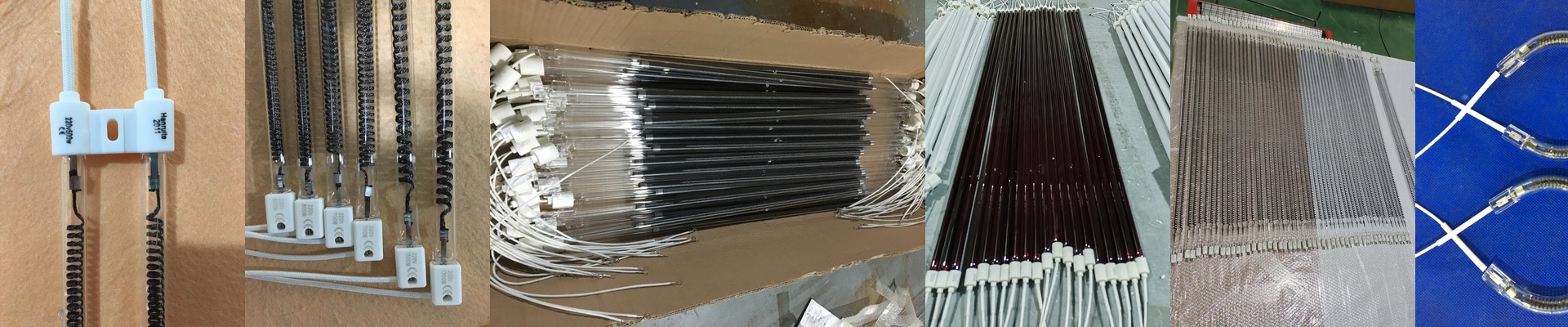
Inside, we’re using halogen heating tech, sealed inside a tough quartz envelope. The filament and reflector coatings are built to hold steady, even when the heat cycles on and off again and again. That’s how we keep the output clean and consistent—no surprises. And the interfaces? Practical by design. We support common connector types, including spiral head terminals and standard plug-in options. For linear halogen lamps, you get R7s base compatibility. For industrial quick-connect needs, we’ve got choices like SK15. The point is simple:plug and play.
Application & Benefits: Efficiency and Rapid Installation
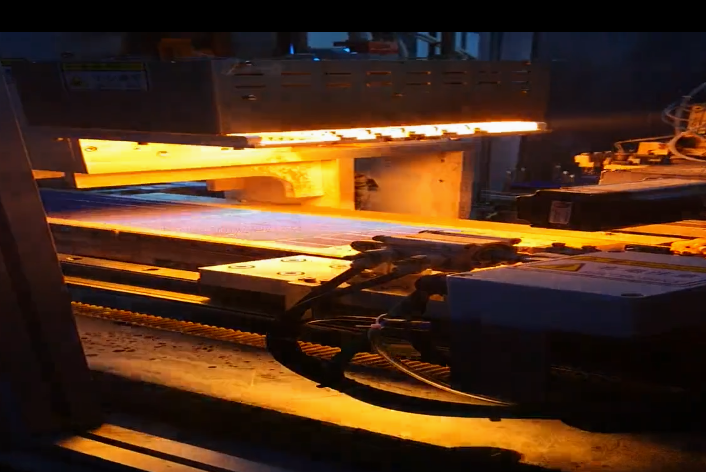
On the shop floor, time isn’t just a number—it’s money. Because our lamps are fully compatible at the interface level, swapping a burnt-out lamp doesn’t mean cutting wires or fiddling with brackets. Installation that used to take hours? Now it takes minutes. The lamp delivers tight, high-intensity heat exactly where you need it. That means faster warm-up and better control over your process, shift after shift. Now, one practical note: high heat density means you need solid cooling. Make sure your machine’s cooling and thermal management are set up to handle the added ambient heat. When the cooling is right, the performance stays reliable—and the downtime stays low.