Shortwave or Medium-wave? Picking the right IR lamp for your SMT line
When you’re staring at your SMT setup, the choice between shortwave and medium-wave IR lamps usually boils down to one thing: how the heat actually gets into your PCB. Most of us stick with quartz lamps. Why? Because they can take a beating. They handle those wild temperature swings without just snapping in half.
Let’s talk wavelengths
Shortwave IR is like a sprint. It punches deep into the solder paste and components, getting you to that peak reflow temperature fast. If you’re pushing for maximum efficiency, this is your go-to. Medium-wave is a different story. It’s more of a slow burn. The heat tends to hang out on the surface, giving you a much gentler soak. Now, if you’re running a high-volume line, shortwave is great for slashing your cycle times. But be careful. If you go too hard, you risk “popcorning” or internal delamination. It happens when the surface gets scorching hot before the core of the component even knows what’s going on.
The grit of the hardware
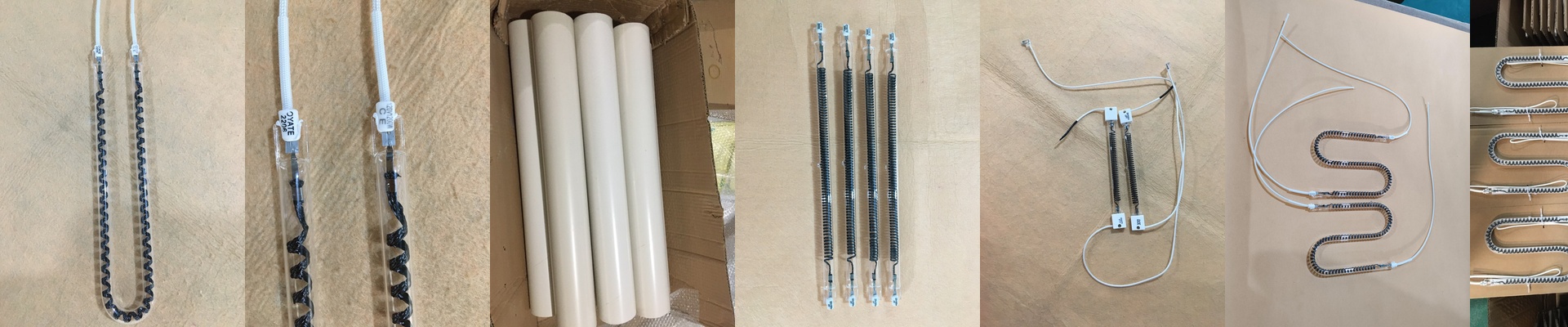
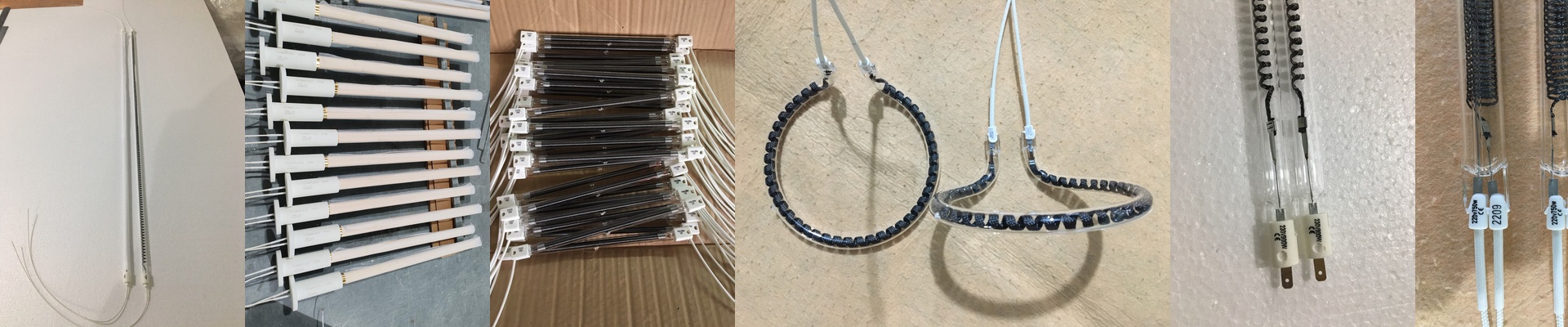
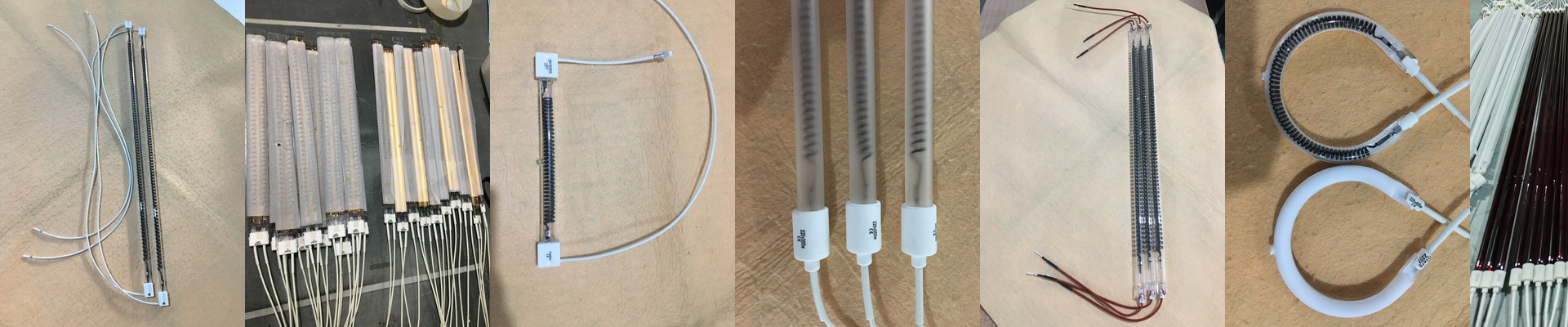
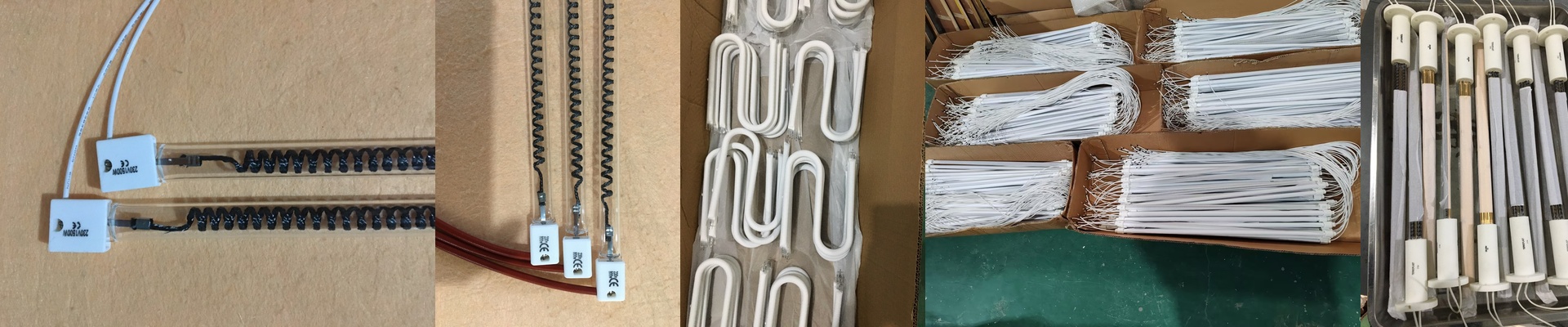
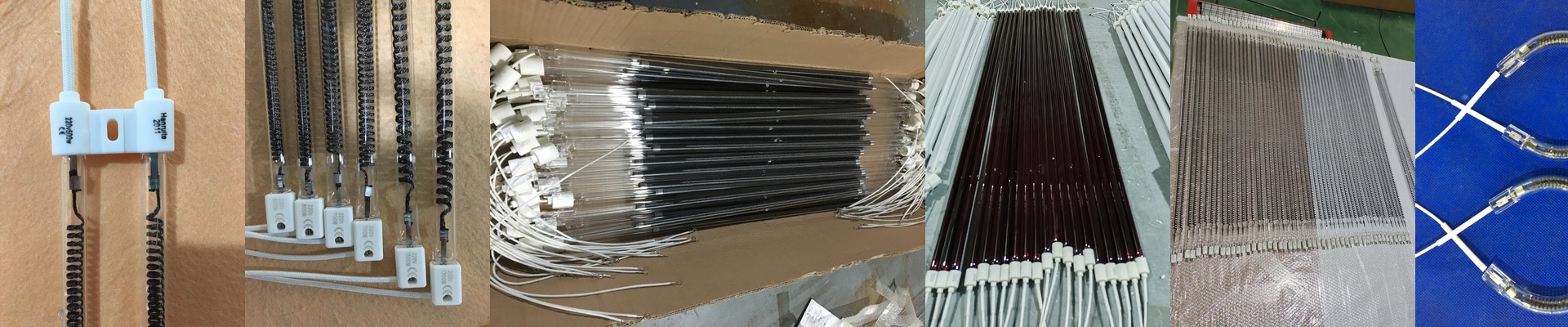
We use high-purity quartz tubing for a reason. It lets the IR energy through without fighting it. These aren’t your average glass tubes; they’re built specifically to survive the constant on-off cycling of an SMT oven. But here’s the catch: when you fire up a high-wattage shortwave tube, the heat density is intense. You’ve got to get your housing right. If your reflection chamber is dusty or slightly off-center, you’re just wasting energy by heating up the oven walls instead of the board. It’s a huge waste of power.
The real-world trade-offs
Shortwave lamps hit their target temperature almost instantly. Less idling, more producing. The downside? They cost more and put a lot more stress on your power supply. Medium-wave lamps are a bit easier on the wallet to replace, and they’re much more forgiving if you’re working with sensitive components. It’s a balancing act between how fast you want the boards moving and how much thermal shock your parts can take. For something like a high-density smartphone board, you’ll probably want a precisely tuned shortwave array—or even a hybrid setup—just to keep that soldering window tight.