
Getting the Heat Right for Smartwatch Repairs
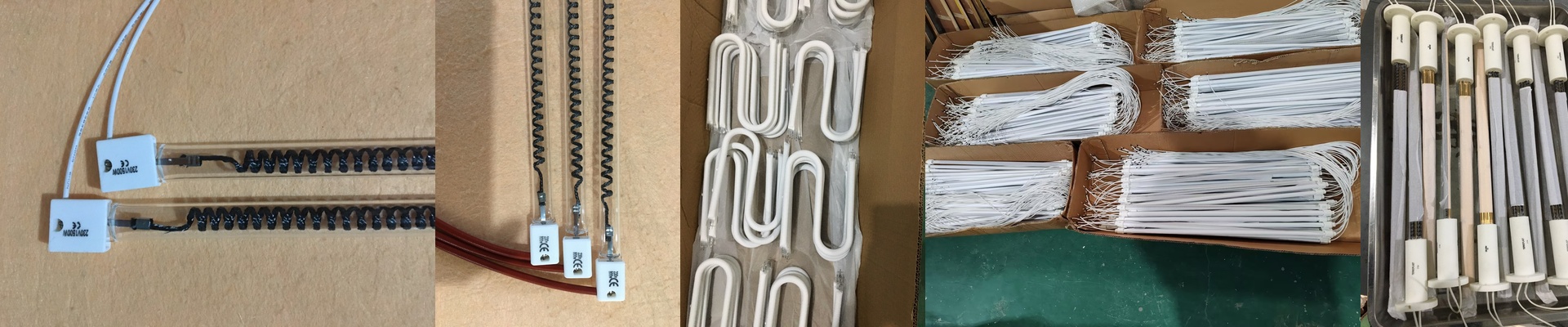
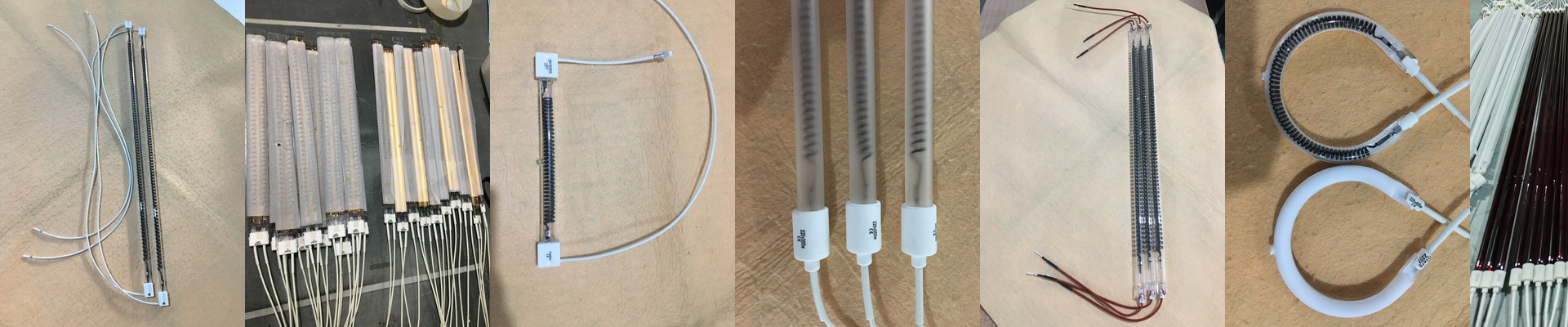
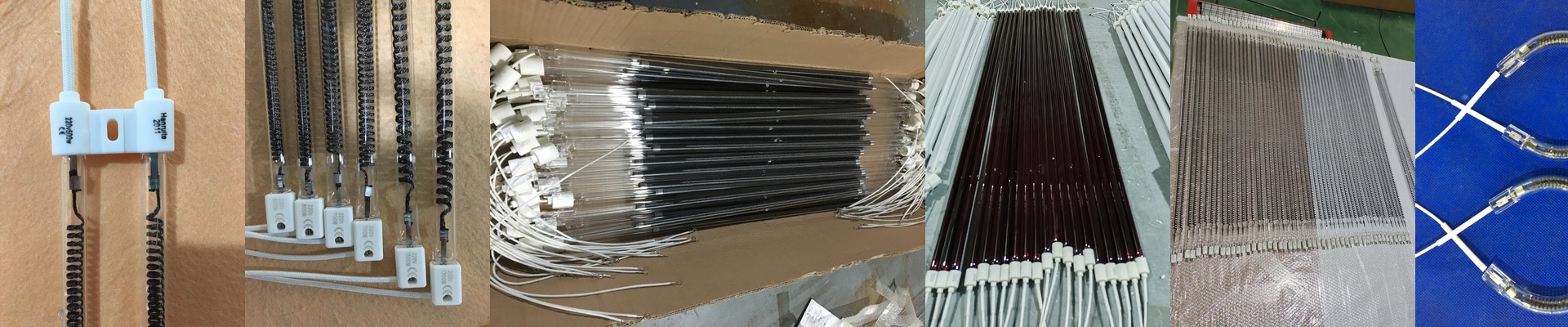
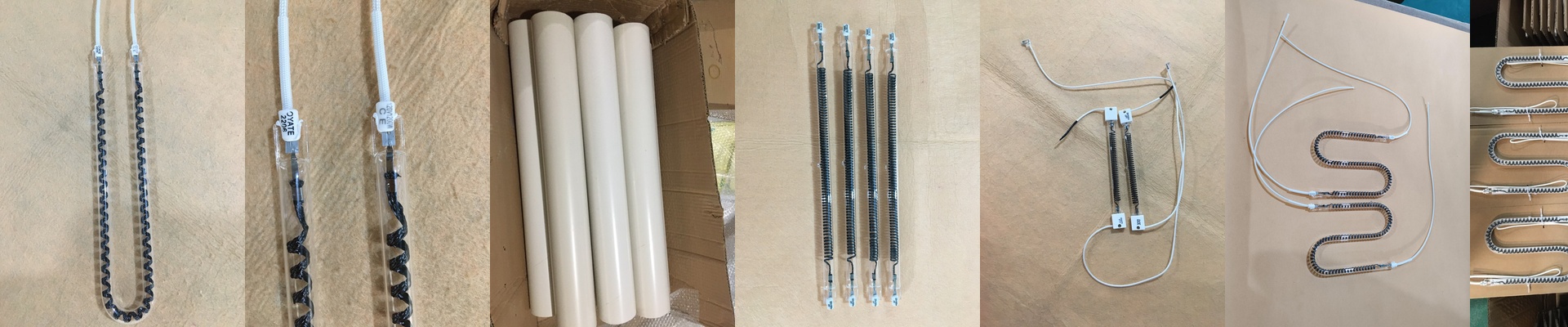
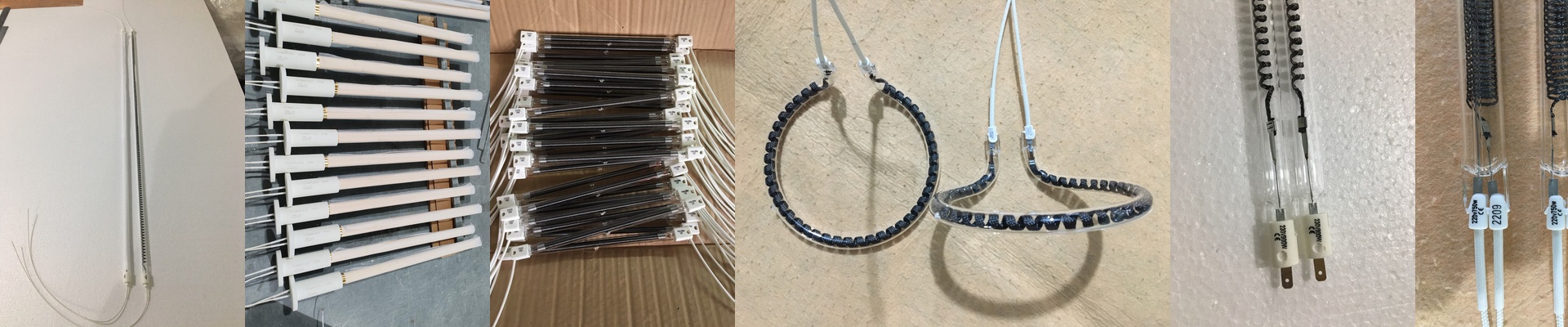
Anyone who’s spent time at a repair bench knows the struggle. You need enough heat to melt that stubborn adhesive, but if you overdo it, you’ve just cooked an OLED screen or ruined a battery. It’s a tight window. That’s why we built our heating lamps the way we did. We focused on concentrated infrared energy that punches right through the chassis. Speed is everything. We use high-wattage halogen filaments because they get the job done fast. Most of the big-name brands have a certain “heat flux” they hit—we matched that, and in some cases, we beat it. By dialing in the voltage and wattage, these lamps hit the target temperature in seconds. Why does that matter? Because it stops “heat soak.” You don’t want the entire watch getting scorching hot just because the lamp took five minutes to warm up. You want the adhesive to let go now. The gear inside We went with high-purity quartz glass because it can handle the stress of being turned on and off all day without cracking. Plus, we added a special coating to the tubes. Instead of just heating up the glass surface of the watch, the energy shifts to target the adhesive layers directly. It’s a smarter way to apply heat. And don’t worry about the setup. We use standard R7s or SK15 connectors. They’re basically drop-in replacements. You can slide them into your current stations without having to rewire your whole bench. A quick heads-up Here is the thing: these lamps run hot. Really hot. If you’re using them in a cramped space or a tight box, make sure you’ve got some decent airflow. If the air just sits there, the housing will overheat and your filament won’t last nearly as long. Give it some room to breathe. We know these can take a beating in a high-volume shop, and we stand by that. If our tubes don’t hit the same heat benchmarks as those expensive big-brand lamps you’re using now, we’ll simply refund you the price difference.