Shortwave vs. Medium-Wave Quartz Lamps: Which one actually works for your smart meter PCBs?
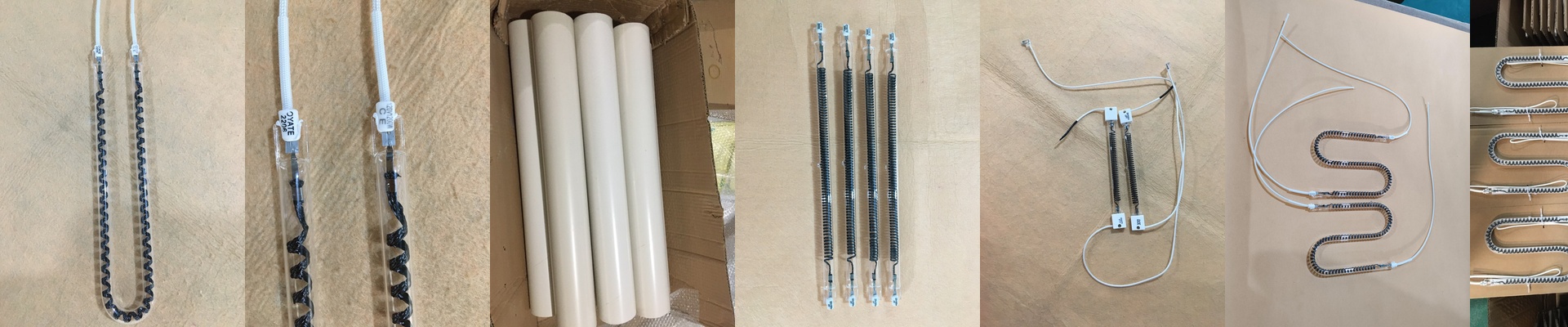
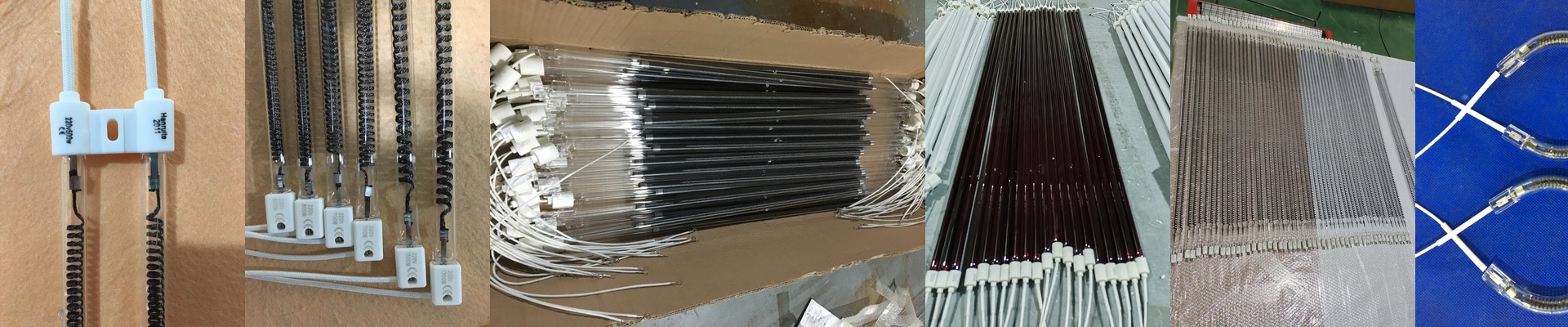
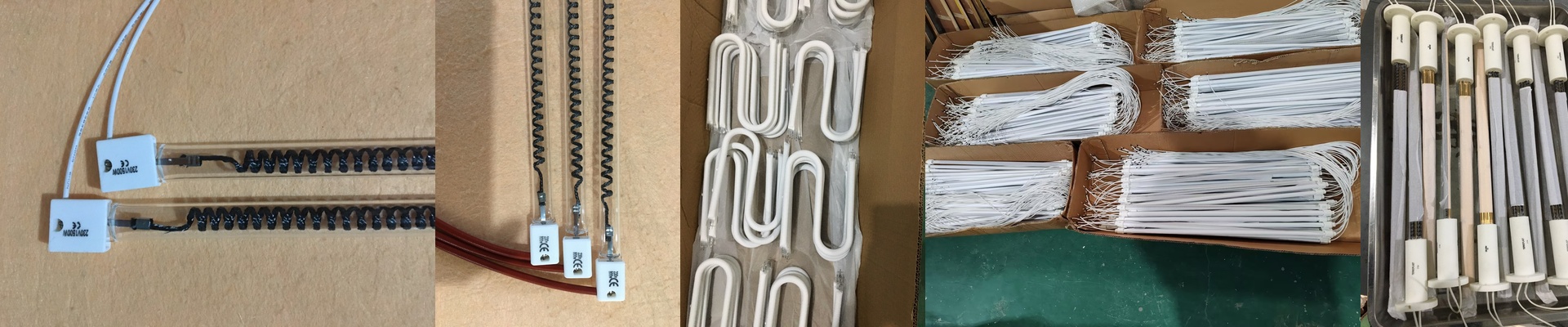
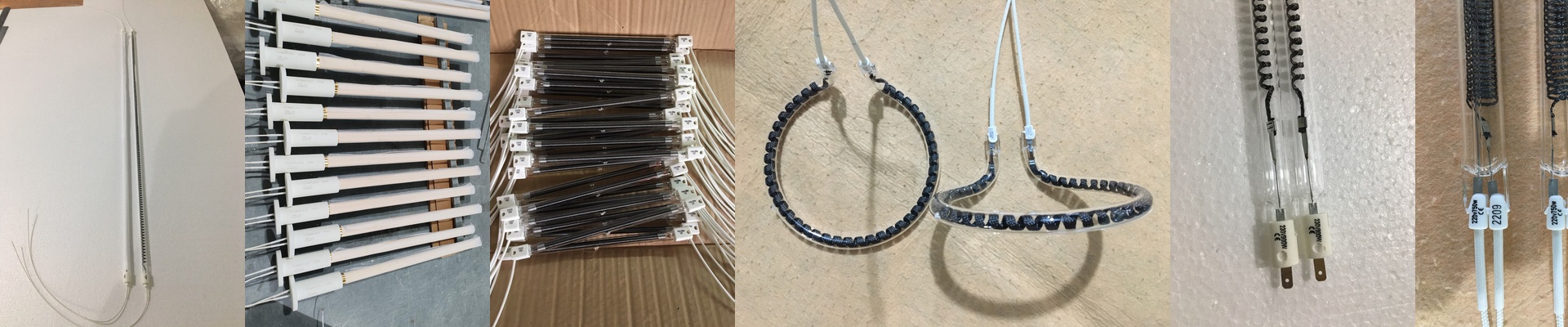
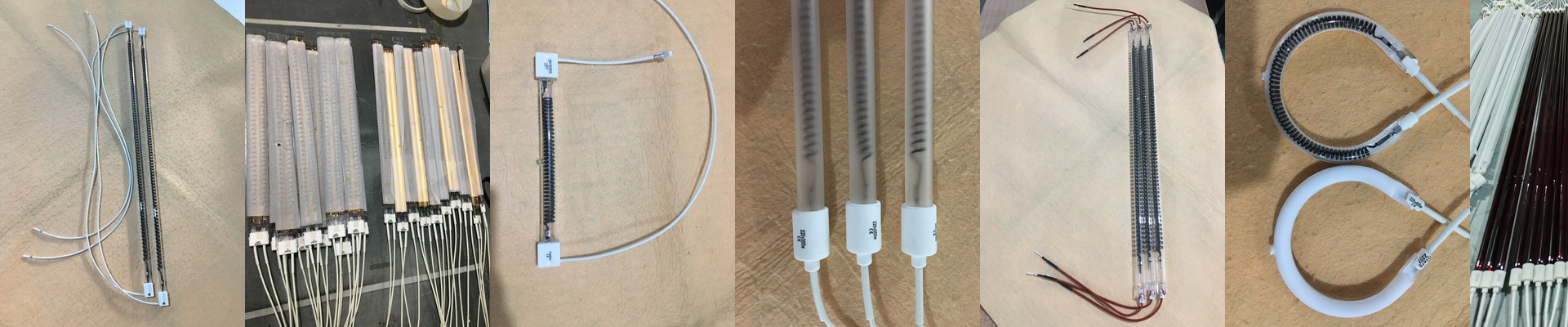
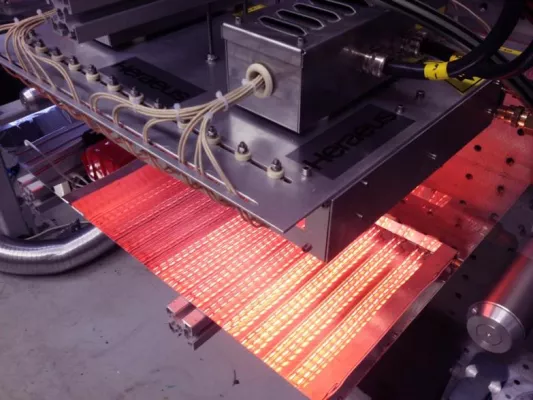
Picking the right IR lamp for your smart meter assembly usually boils down to one thing: how your board handles heat. Get it right, and you’re golden. Get it wrong? You’re looking at a nightmare of cold solder joints or, worse, charred substrates that are headed straight for the scrap bin. Let’s talk wavelengths. Shortwave lamps are like a sledgehammer. They hit the board with high-intensity energy that digs deep into the PCB. If you need to get your temperature up fast, this is your go-to. They run hot and deliver a massive punch of heat in a tiny window of time. Medium-wave lamps are a different story. They play much nicer with the way solder paste and PCB materials actually absorb heat. Instead of blasting through, they warm the surface more effectively. This is a lifesaver if you’re working with multi-layer boards and don’t want to fry the internal layers. The gear under the hood. We use high-purity quartz to build these lamps because they have to survive some serious thermal shock. The quartz lets the IR radiation flow through without wasting energy. But here is the catch: if you’re spec-ing out high-wattage tubes for a massive SMT line, keep an eye on your heat density. If you push a shortwave lamp to the limit, your cooling fans need to be up to the task. If they aren’t, you’ll end up cooking the circuitry around the lamp. Not a great look. The real-world trade-offs. Most of these lamps use standard connectors, so swapping them out on the line is a breeze. But you have to decide what you’re willing to give up. Shortwave tubes run hotter, which means they burn out faster. You’re basically trading the lifespan of the bulb for a faster cycle time. If your main goal is pure throughput—just getting boards out the door—shortwave is the workhorse. But if you need precision and those tight thermal gradients, stick with medium-wave.