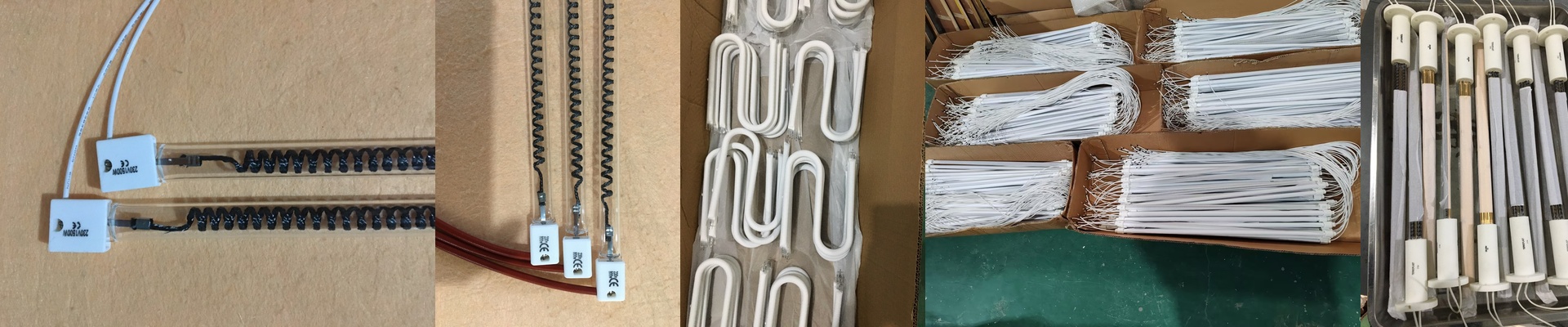
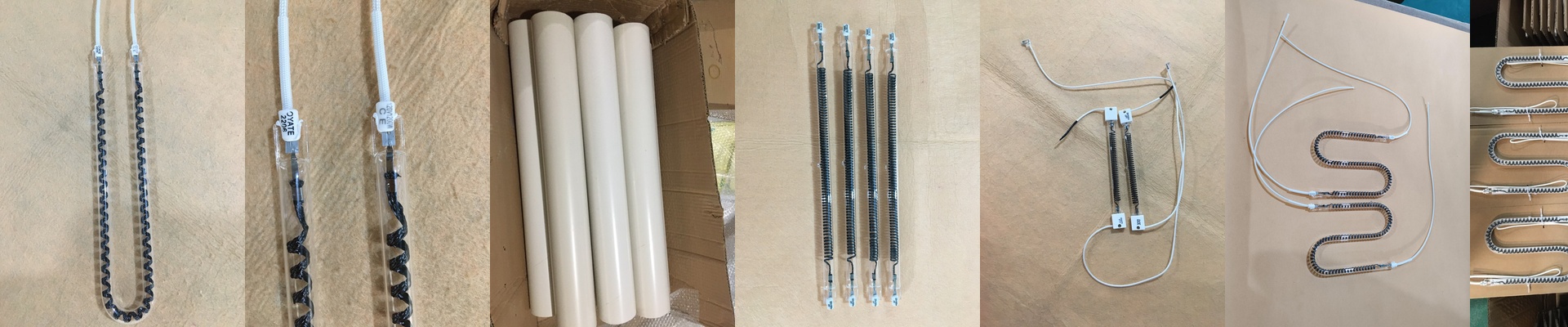
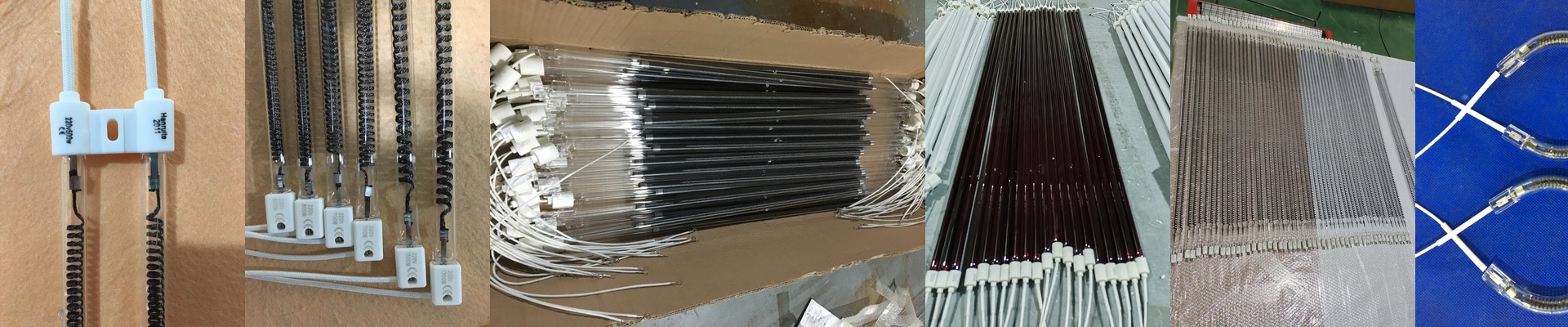
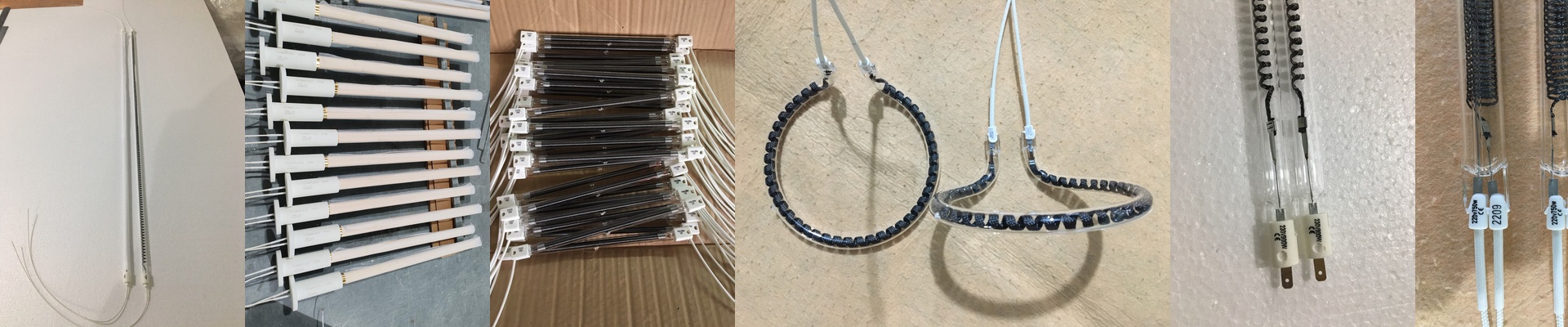
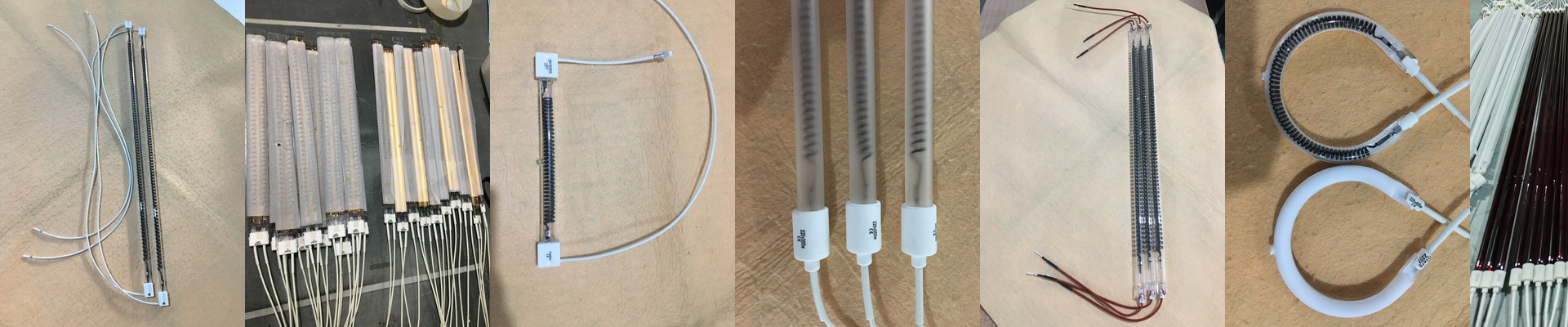
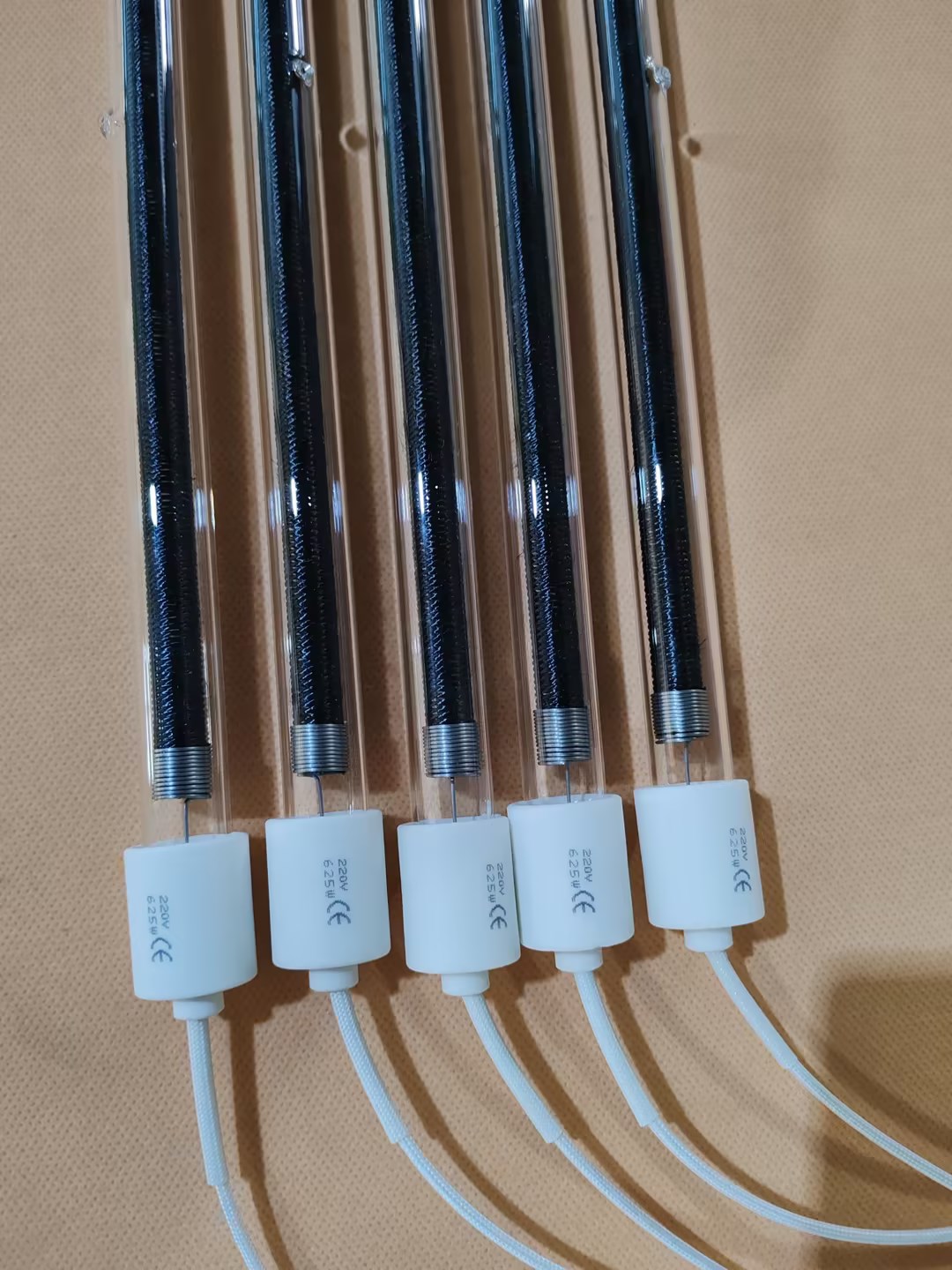
Let’s talk about the 220V 1500W Carbon Fiber Heating Tube
If you need raw, intense radiant heat, this is where you want to be. Most people are used to those old-school metal alloy elements, but we do things differently. We use a carbon fiber filament tucked inside a quartz sleeve. The result? It doesn’t just warm up the surface of whatever you’re working on—it actually penetrates the material. It’s a much deeper, more effective kind of heat. The power side of things We set these at 220V and 1500W because we want them to hit operating temperature in seconds. Not minutes. Seconds. That means you aren’t wasting time or electricity waiting for the machine to “get ready.” But here is a heads-up: 1500W is a serious draw. Double-check your wiring and relays. If your gear isn’t rated for that current, you’re going to fry your terminals, and nobody wants to deal with that mid-shift. What’s under the hood? The carbon fiber core is the real workhorse here. It can handle temperatures that would make traditional nichrome wire sag or just snap. Then there’s the quartz envelope. It does two things: it keeps the filament from oxidizing and lets those infrared waves fly right through. One quick tip: quartz is fragile. If your shop has a lot of vibration, don’t just bolt these in. Use dampened mounts. It’ll save you from the headache of a cracked tube. Putting them to work These are perfect if you’re looking for a drop-in replacement for PET blowing, plastic welding, or drying lines. The best part is the focus. You get a concentrated heat footprint that hits the workpiece directly, rather than heating up your entire room. Your cooling systems will thank you. Just… be careful. A 1500W tube getsscary hot. Please, use a safety guard. One accidental touch and you’ve got a nasty burn on your hands.