Getting Your PCB Heating Right
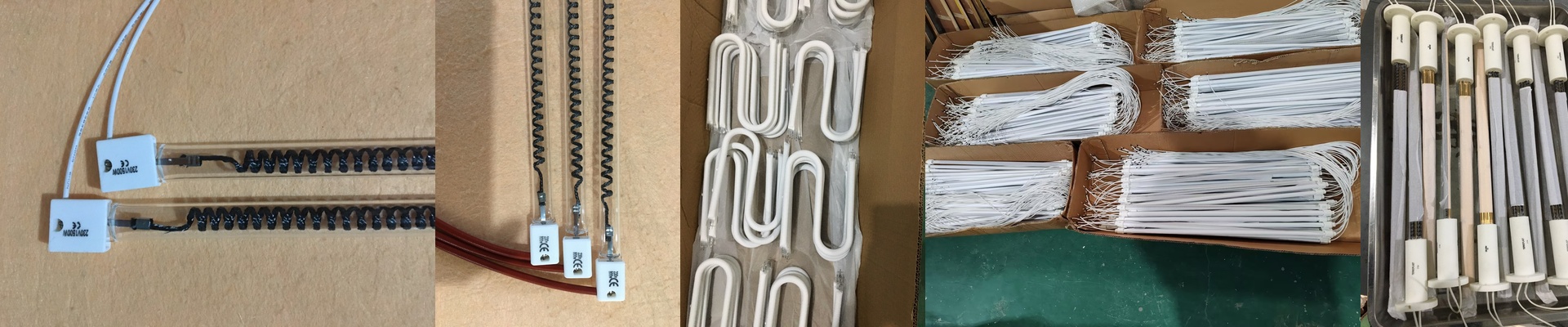
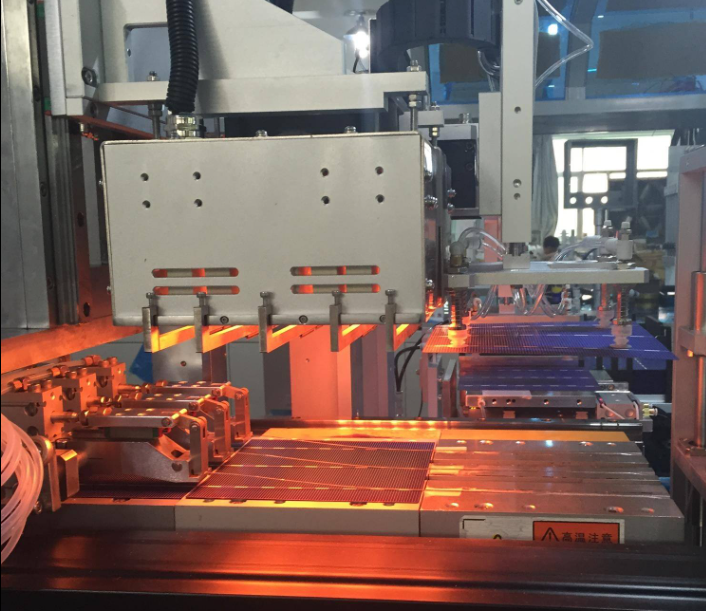
We built these digital heating stations because we were tired of fighting with uneven heat. You know the drill: you’re pre-heating or curing a board, but one side is roasting while the other is barely warm. When you’re working with high-density layouts, that tiny temperature gap is a nightmare. It’s usually where solder bridging starts or where your components decide to warp. The struggle with temperature control Most old-school analog setups just overshoot the mark. They get too hot, you panic, you dial it back, and you’re stuck in this endless loop. We fixed that by using digital PID controllers. Now, you just pick your temperature and the system does the heavy lifting to keep it within ±1°C. It feels steady. You don’t have to hover over the board worrying about overheating; you just know the solder paste is hitting its activation point across the entire surface. What’s actually under the hood We didn’t want to use cheap alloys that bend and warp after a few weeks of use. Instead, we went with aluminum or ceramic composites for the plates. They’re tough, and more importantly, they spread heat evenly. The heating elements are built for speed, so you aren’t standing around waiting for the plate to warm up. Plus, since different copper weights need different treatment, we added a digital interface where you can program your own heating profiles. A few warnings from the shop floor Here is the thing about high wattage: it makes your cycle times faster, but it’s a beast on your power supply. If you’re running these at full tilt, make sure your circuits can actually handle the draw. We’ve seen people try to daisy-chain several of these units onto one power strip.**Please, don’t do that.**You’ll end up with voltage drops and heat that just isn’t consistent. These stations are meant to be simple drop-in replacements for those ancient hot plates. Just wire them into your line, pick your profile, and let the logic handle the curve. It finally takes the guesswork out of the pre-bake.