Stop Guessing Why Your Heaters Aren’t Heating
Most Digital temperature controllers are pretty basic. They read a sensor, check it against the goal, and kick on the heater. Simple, right? But here’s the problem: when something actually breaks—like a burnt-out element or a drifting thermocouple—the system usually just keeps screaming for heat that isn’t coming. Or, you get a vague “Error” code that tells you absolutely nothing. It’s frustrating. We’re doing things differently now. We’re building self-diagnostics right into the system so it can actually tell you what’s wrong.
How it actually works
Instead of just watching the temperature, the system keeps an eye on the electricity. It tracks the current draw and voltage drops in real-time. Think of it like this: if the controller is calling for 100% power but the current draw suddenly hits zero, the system knows immediately that the heater is dead. It doesn’t have to wait for the temperature to drop and ruin a whole batch of product before it notices something is off. It just flags the failure and stops the clock.
The trade-off
To get this kind of insight, you can’t just use a cheap PID. You need current transformers (CTs) and high-speed sampling. We bake these right into the control board to monitor the load. Now, there’s a catch. Adding these sensors means your control panel takes up a bit more room. You’re also adding a few more parts that could, theoretically, break. But honestly? It’s a fair trade. You’re giving up a tiny bit of simplicity to stop your production line from grinding to a halt for hours.
No more multimeter marathons
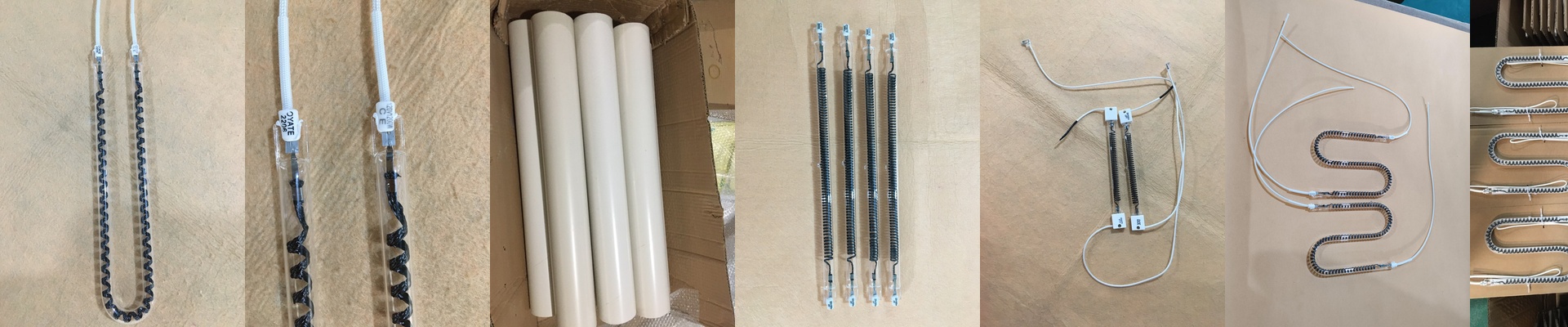
This is where it really pays off. Remember the old way? A zone goes out, and you spend half your afternoon probing every single heater bank with a multimeter, praying you find the break quickly. It’s tedious work. With this setup, the controller just tells you which lamp or element died. You walk over, swap the part, reset the alarm, and you’re back in business. You’ve just turned a four-hour headache into a ten-minute fix.