Electric Carbon Rod Heaters: The Heat Behind the Work
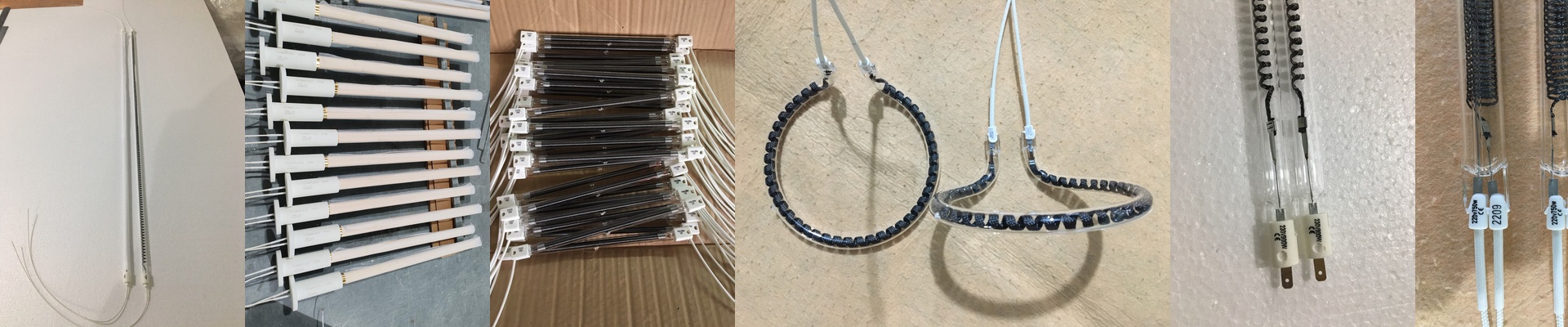
Let’s talk about electric carbon rod heaters. These things are the workhorses of industrial heating—high-intensity infrared beasts built for the tough stuff. We designed them for one purpose: to deliver steady, predictable heat in tight spots, where getting the same result over and over matters more than anything.
Power, Voltage, and Size—Why It All Matters
We set these heaters up to run on 400V. Why? Because it drops the current for the same power, which keeps wiring and connections manageable inside the machine. No oversized cables. No stressed contacts. Just solid, reliable performance. Then there’s the 2500W rating packed into a short tube. That’s a lot of heat in a small space. The payoff? You get rapid warm-up and stable temperature control without needing a huge footprint. And the 300mm length? It’s intentional. It lines up with common heating zones—like preform heating or narrow-channel transfer—so you can swap it in without tearing your assembly apart.
What’s Inside: Halogen, Coating, and Connectors
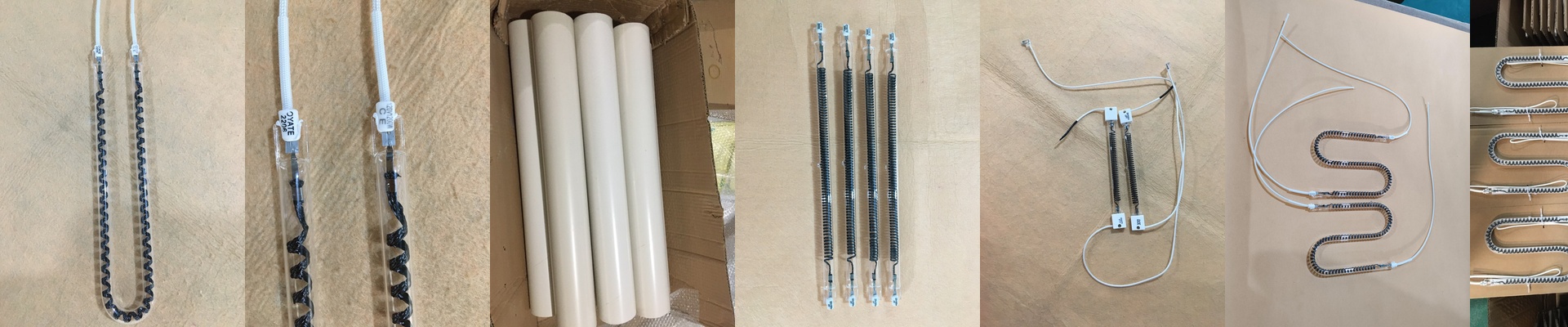
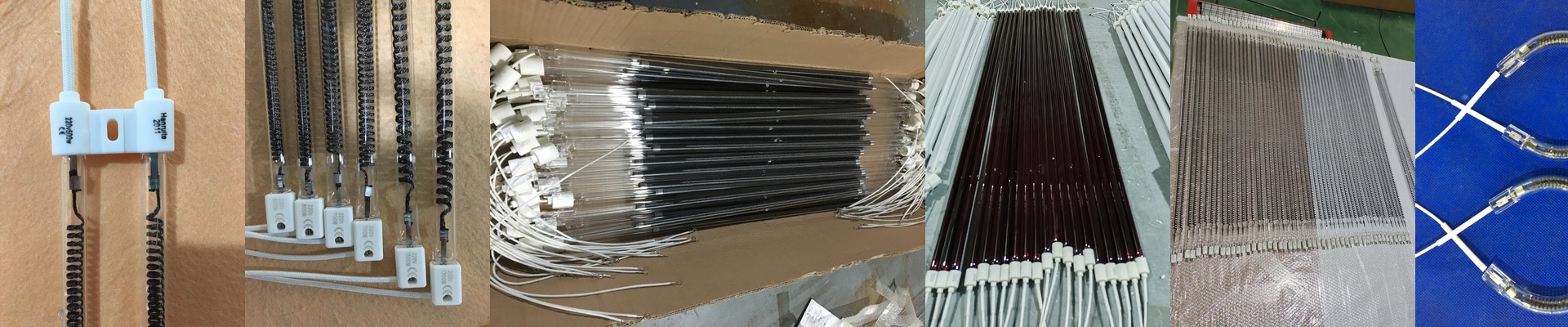
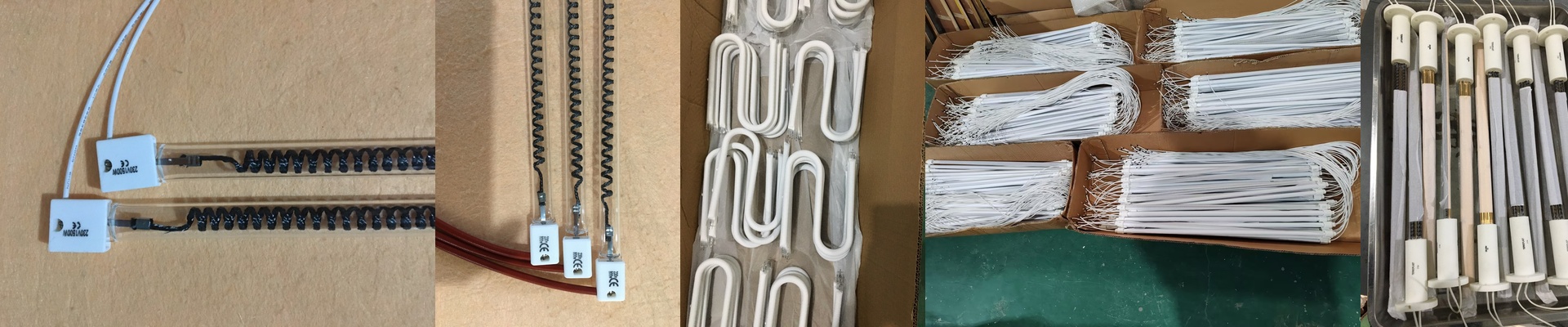
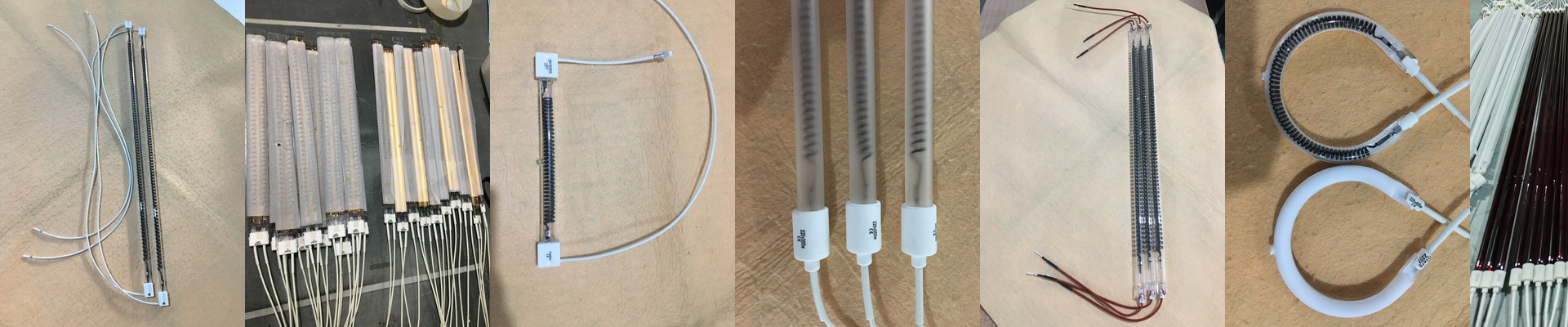
Inside, a carbon rod sits inside a quartz envelope that handles rapid heating and cooling without cracking. We fill the tube with halogen gas to keep the filament from evaporating and to keep the resistance steady over time. That means consistent output, shift after shift. The quartz also gets a reflective coating. It pushes more infrared energy forward, straight onto the target, and keeps wasted heat off nearby parts. For connections, we use R7s and Sk15 connectors. They’re built for high temperatures and repeated installs. They hold alignment and reduce stress at the joint, so you don’t have to cross your fingers and hope the contacts don’t burn out.
Where This Setup Shines
This configuration is for processes that need fast, controllable infrared heat in a compact zone. Think PET blowing, thermoforming, adhesive curing—anything that needs intense heat in a small window. The high power density, short length, and rugged terminations make it a drop-in replacement that installs quickly. Now, here’s the trade-off: 2500W at 400V is serious heat. Your machine has to be ready for it. Make sure the mounting, airflow, and insulation are up to the task. When you get the cooling and clearance right, you stop worrying about the heater. It just does its job—consistently, shift after shift.