Stop Throwing Away Your IR Lamps
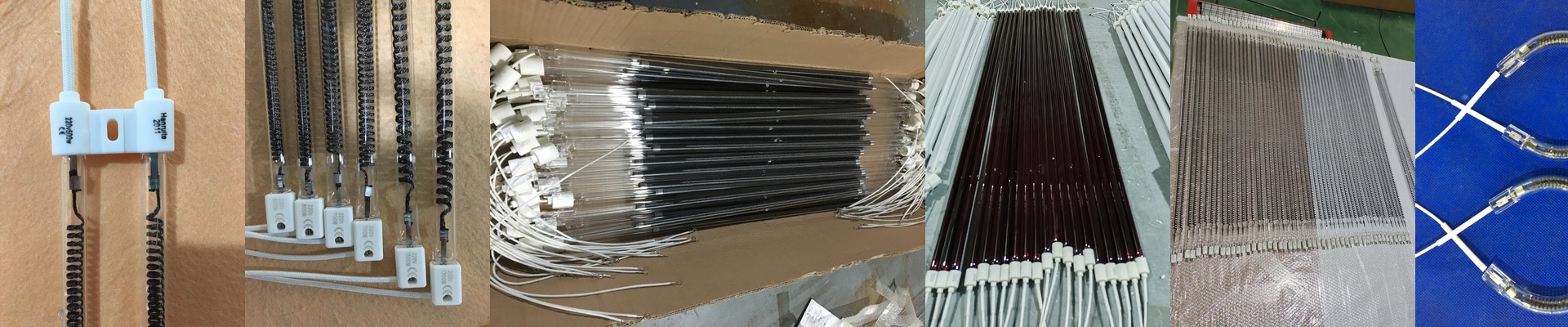
Let’s be honest: electronics manufacturing creates a mountain of waste. A huge part of that comes from those standard infrared (IR) lamps that seem to burn out the second you stop looking at them. Thermal stress, shaky filament support—it’s a cycle of constant replacements and annoying downtime. But it doesn’t have to be that way. Instead of buying cheap, disposable bulbs, we’re looking at how to build them to actually last.
Why they actually break (and how to fix it)
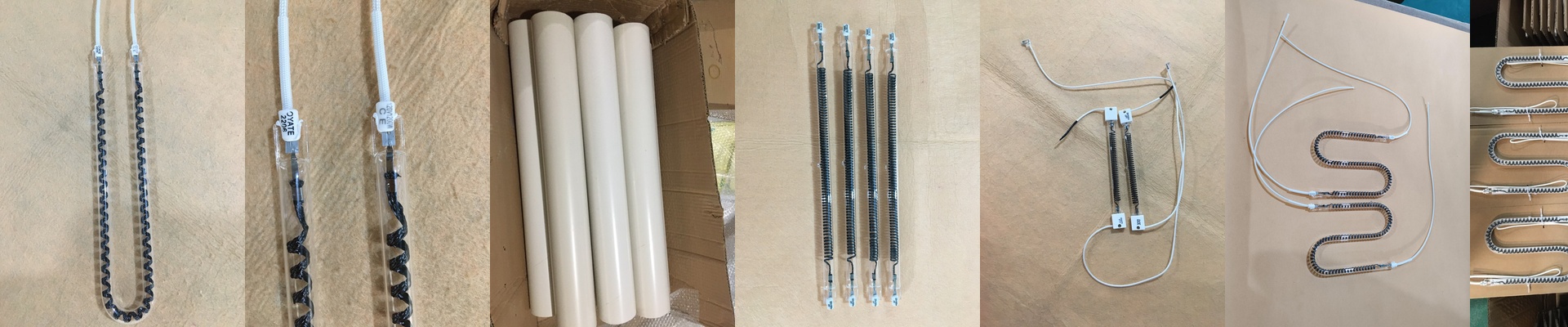
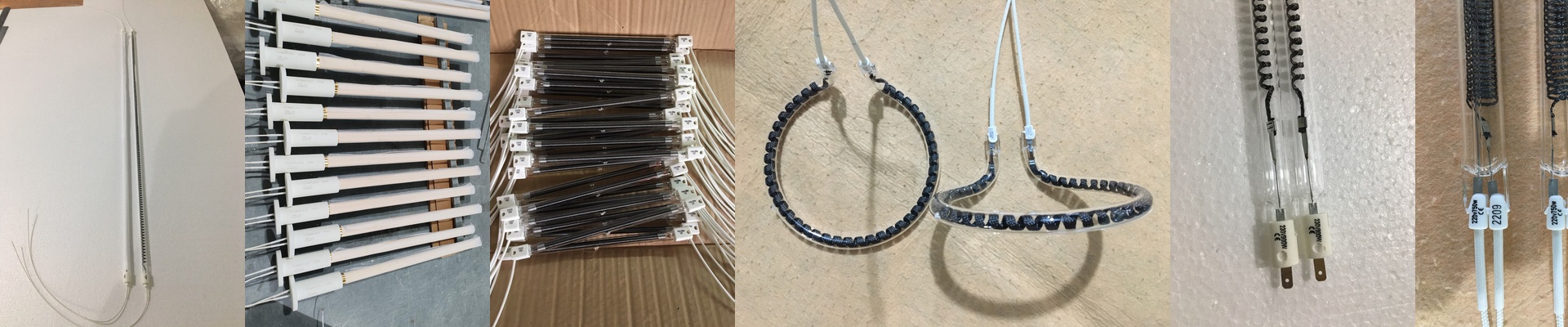
Here is the thing: most short-wave IR lamps die because the tungsten filament gets too thin and eventually just snaps. To stop that, we use a halogen gas fill. Think of it as a recycling system inside the bulb. The gas grabs the evaporated tungsten and puts it right back onto the filament. It slows down the thinning process significantly. When you get the gas pressure and filament diameter just right, those lamps stay lit for way longer.
The nitty-gritty of materials
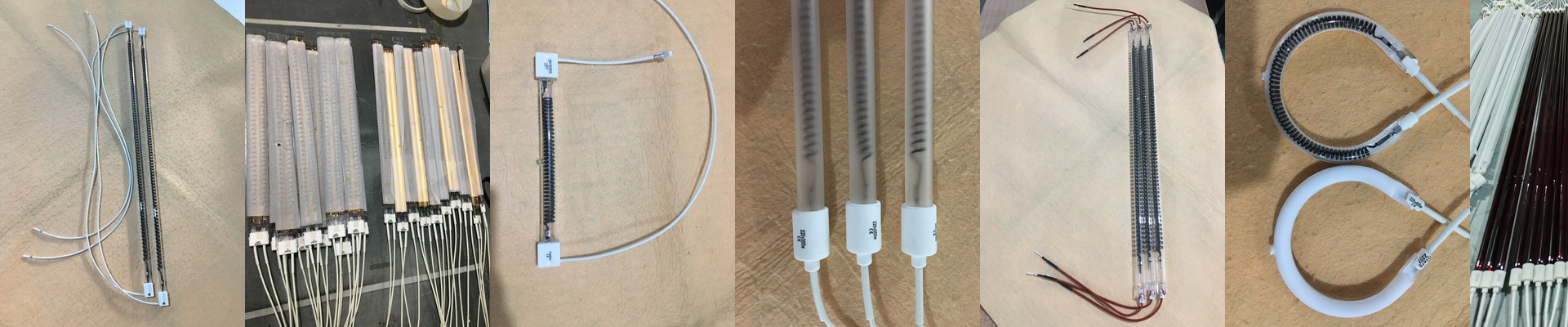
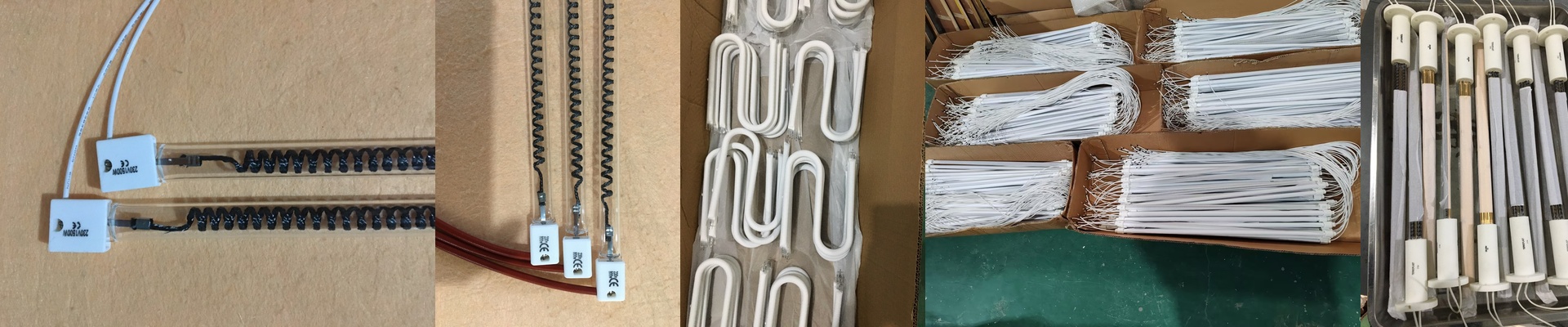
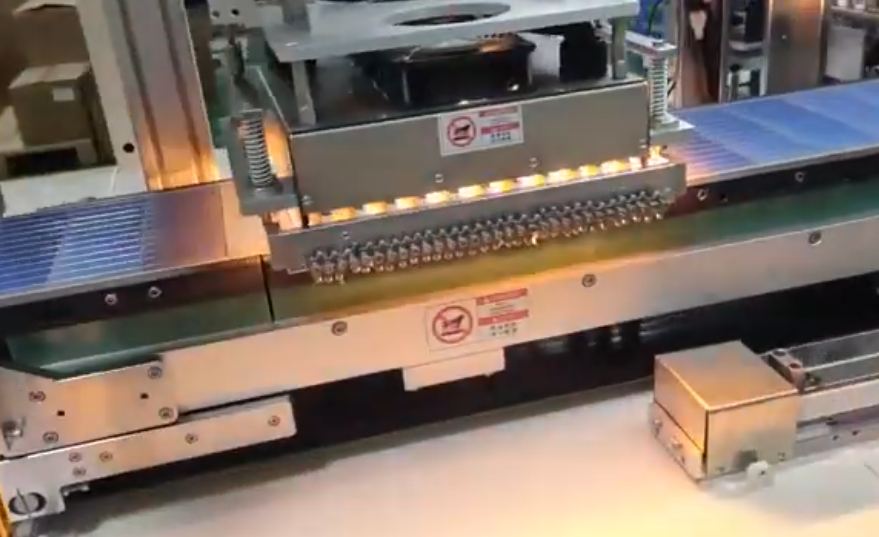
We stick with high-purity quartz glass. Why? Because it lets the IR transmission through without fighting it. Depending on what you’re building, you might need specific coatings. This helps shift the heat so your solder paste hits the right temperature without accidentally frying your substrate. But here is where people usually mess up:power density versus conveyor speed. If you slap in a 2000W lamp but your cooling fans are weak, the ends of the lamp will overheat. Once that seal pops, oxygen rushes in and kills the filament in minutes. It’s a fast, expensive mistake.
Making life easier on the shop floor
Nobody wants to spend their afternoon rewiring an entire oven. That’s why we use standard connectors like R7s or SK15. They fit tight. Loose connections are a nightmare—they create hotspots that can literally melt your housing. Using a drop-in replacement strategy means you can swap a lamp and get back to work in seconds. Plus, the fewer lamps you toss in the trash, the better. It means less junk in the landfill and more time actually running production instead of playing technician. Just a heads-up: if you go with higher wattage, make sure your voltage regulation is steady. Spikes are the enemy of the filament.