Getting the Heat Right for Smart Meter PCBs
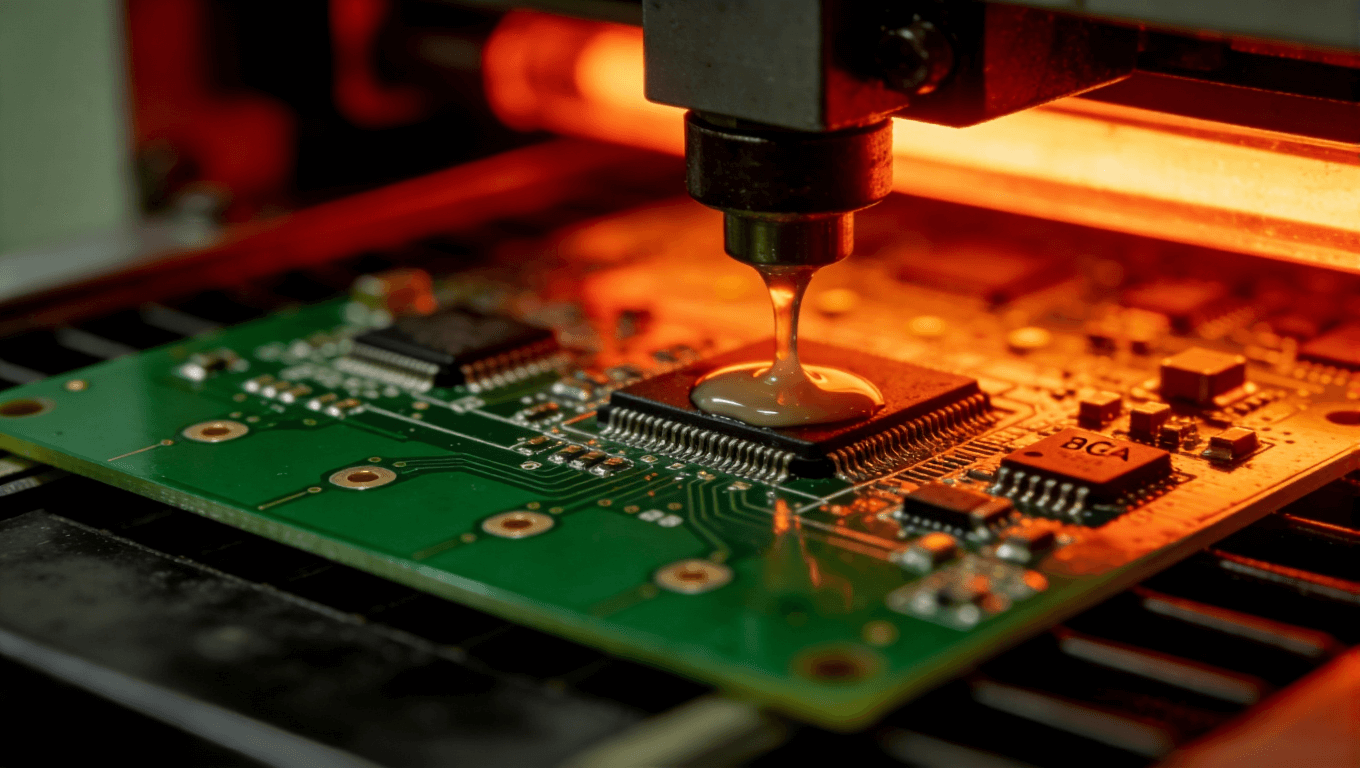
When you’re working with smart meter PCBs, it’s a bit of a balancing act. You need enough heat to get those solder joints perfect, but if you overdo it, you’ll fry the sensitive components on the board. That’s why we build our infrared (IR) lamps the way we do. We wanted to give smaller electronics shops the kind of high-density heat that usually only the giant factories can afford.
The Nitty-Gritty of the Heat
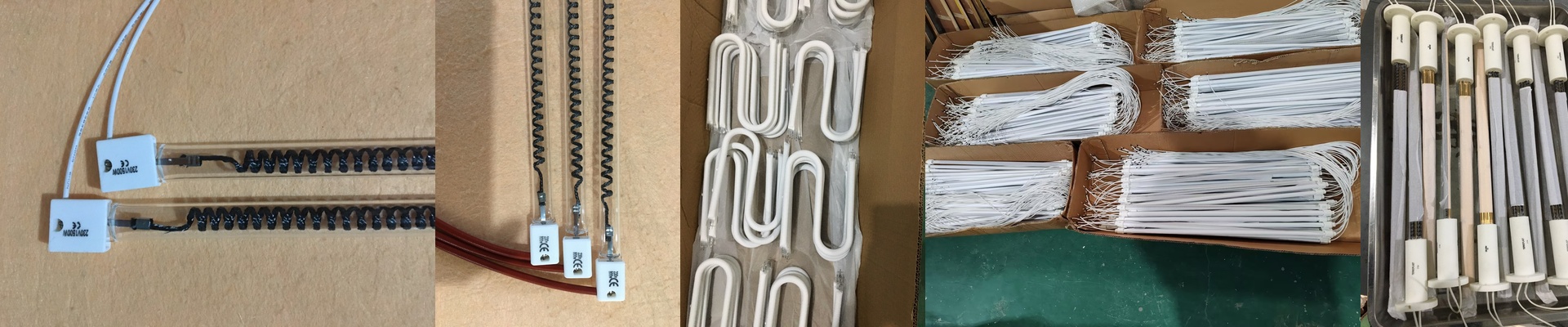
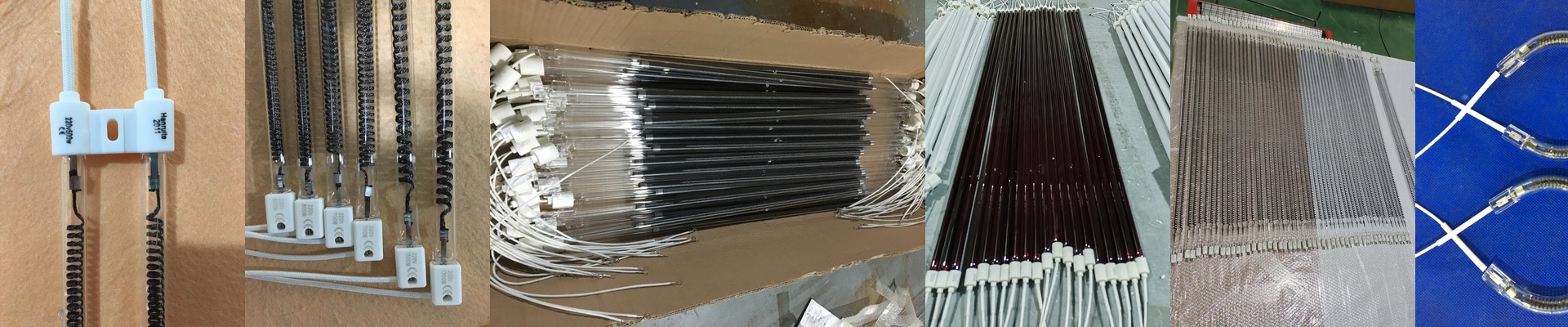
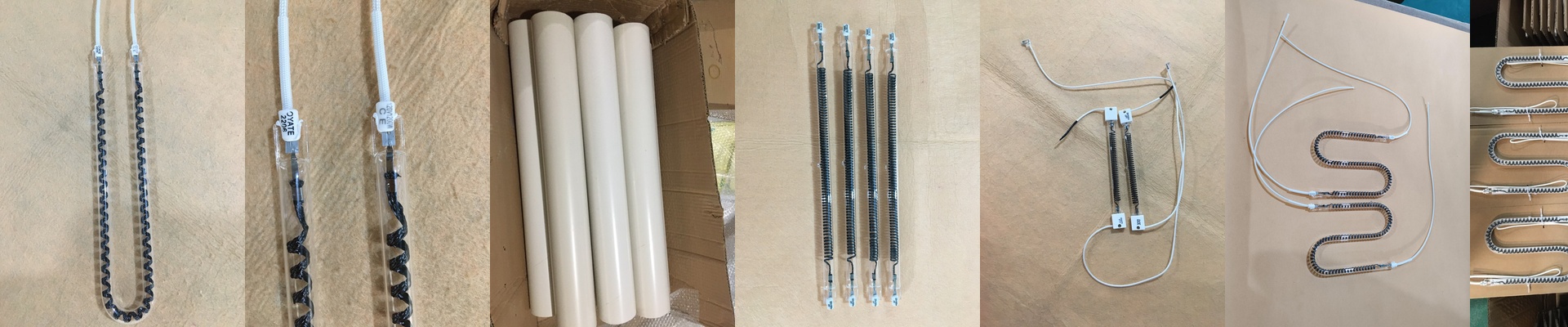
We go with shortwave IR emitters for curing and pre-heating. The reason is simple: shortwave heat sinks into the board substrate way faster than longwave. We focus heavily on the wattage-per-centimeter ratio. Why? Because it gets your board up to reflow temperature quickly, without the long wait. Just a heads-up:**keep an eye on your voltage.**If you push a lamp harder than its rating, the filament will snap. It’s a quick way to kill a perfectly good lamp.
Quartz and Connections
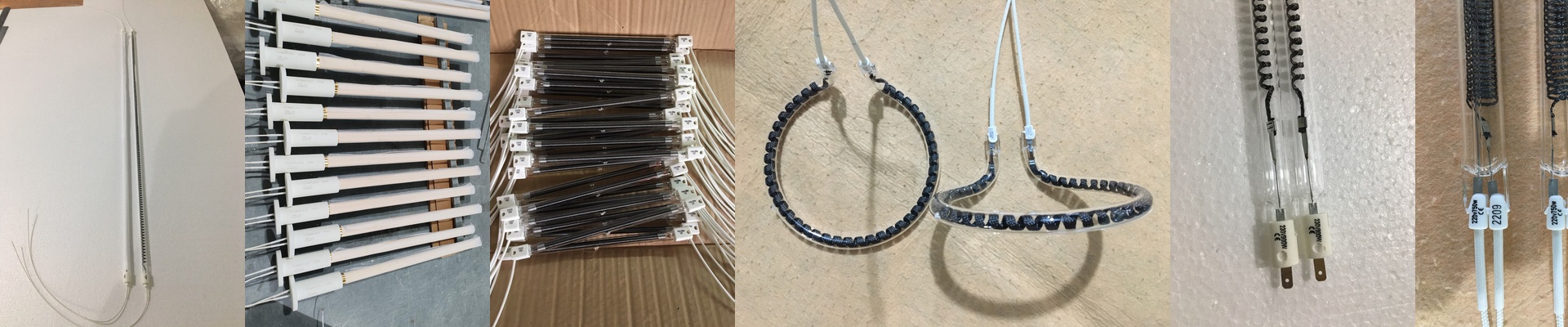
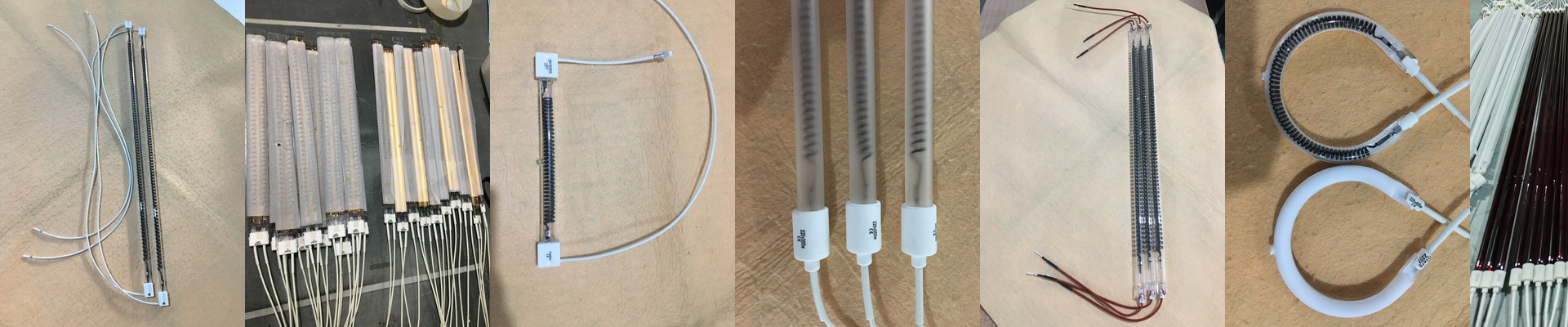
The tungsten filament lives inside high-purity quartz glass. We use quartz because it doesn’t freak out when the temperature swings wildly from hot to cold. We also know you don’t want to rebuild your entire assembly line just to swap a lamp. That’s why we use standard R7s or Sk15 connectors. You just plug them in and get back to work. Plus, we offer coated versions. These shift the heat spectrum so you’re hitting the solder paste directly, rather than heating up the PCB mask.
A Few Things to Watch Out For
These lamps are powerful. Really powerful. But that intensity comes with a catch. If your conveyor belt is moving too slowly, the boards can actually warp from the heat. You’ll need to spend a little time calibrating your belt speed to match the lamp’s output. We’ve built these to go toe-to-toe with the big-name brands, but the real secret to making them last is a steady power feed. If your voltage jumps around, the filament thins out faster. Keep the power stable, and these things will keep humming along for a long time.