Getting Your Thermal Profiles Right for Smart Meter PCBs
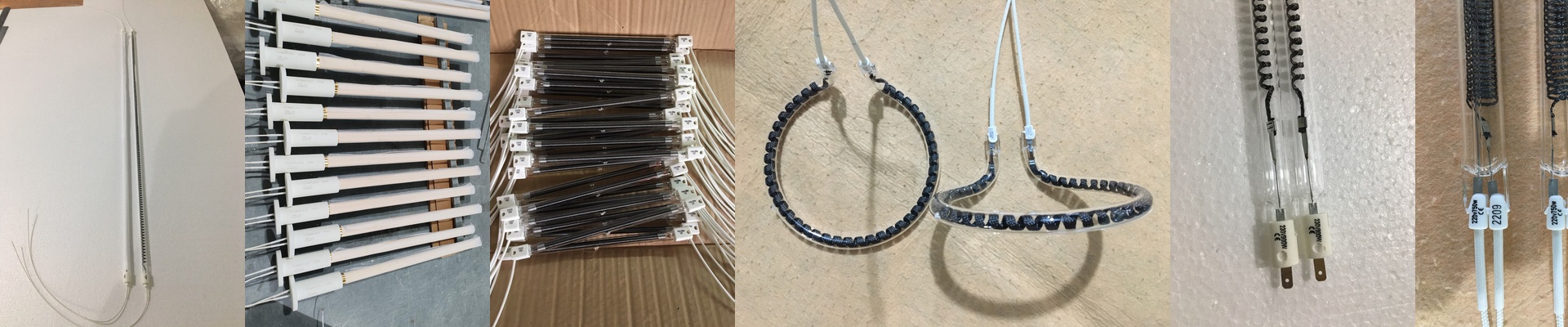
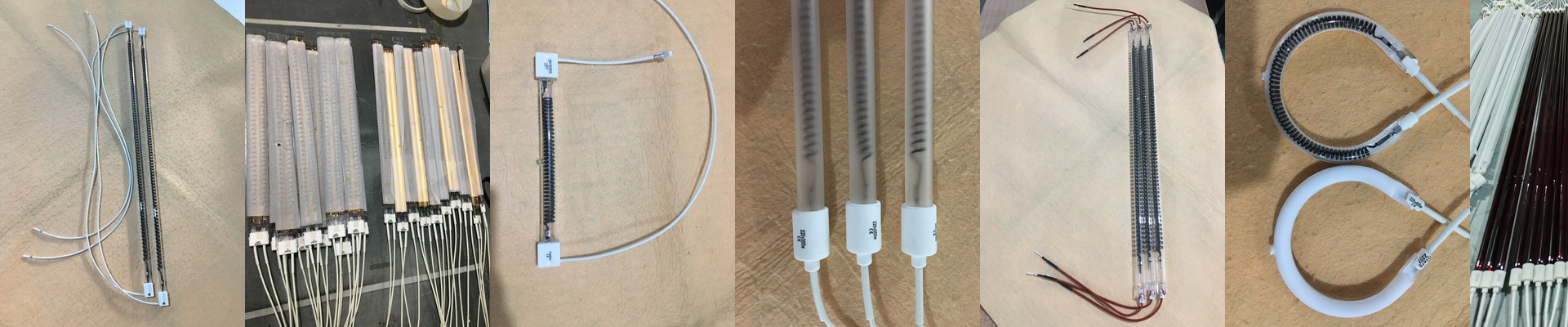
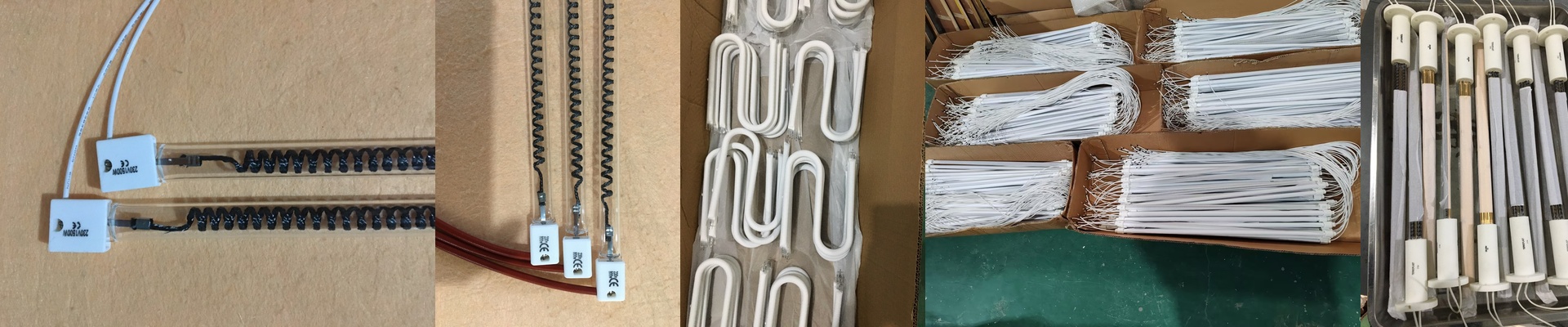
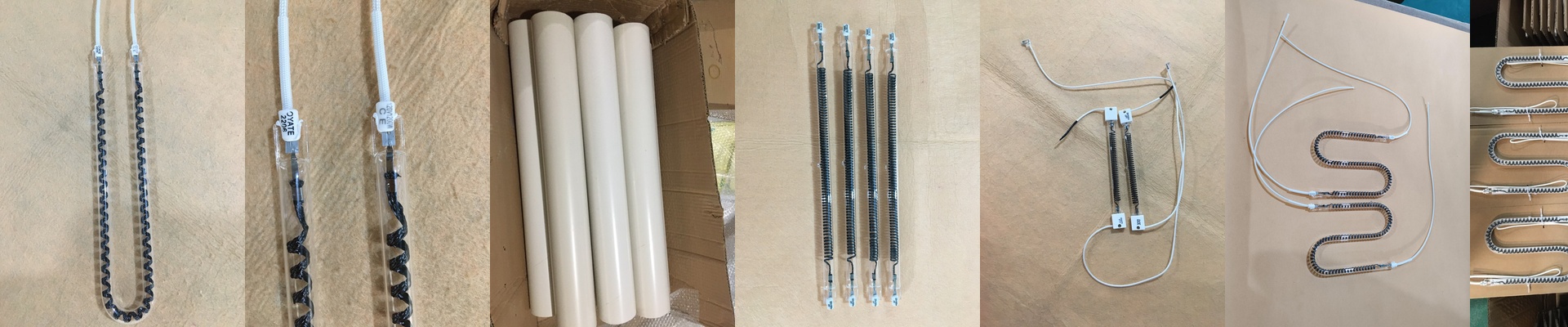
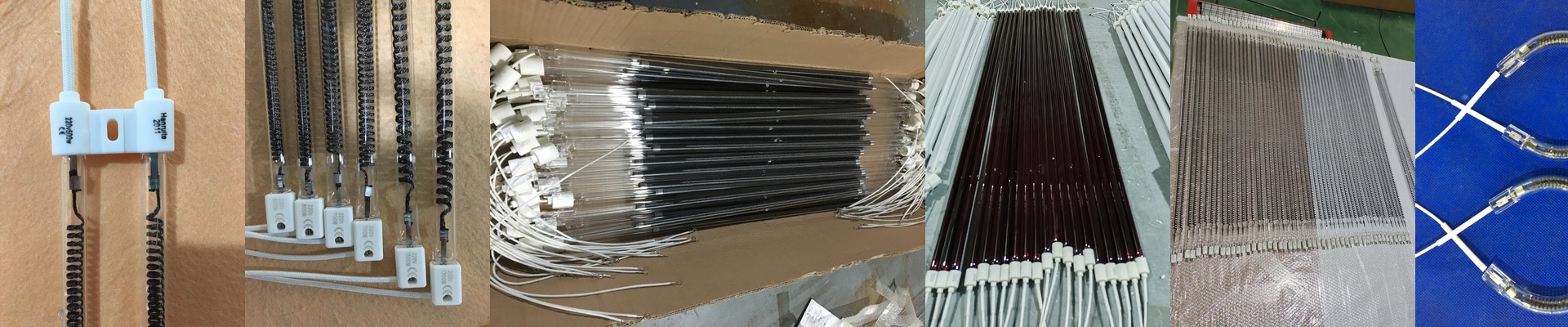
Smart meter boards are a pain. They’re packed tight with components and have very specific needs when it comes to solder paste. If you’re not careful, you’ll either end up with a messy reflow or, even worse, you’ll scorch the board. That’s why you need a heat source that actually behaves. We build our IR heating lamps to give you that same heavy-duty thermal density you see in those pricey European brands, but without the eye-watering price tag. It’s a better fit for mid-sized shops that need quality without the “luxury” markup. The heat and the hustle We use short-wave infrared radiation. Why? Because it doesn’t waste time heating up the air around the board. Instead, the heat goes straight into the PCB substrate and the solder joints. When you’re setting up your heating zone, keep an eye on your wattage-per-centimeter. That’s what controls your ramp-up speed. Now, pushing the wattage higher gets you to that liquidus temperature faster, which sounds great. But be careful. If you crank the heat without speeding up the conveyor, you’re asking for warped boards or blown capacitors. It’s a balancing act. Built to last (and fit) The tungsten filament is housed in high-purity quartz glass. We chose this because it can handle the shock of rapid heating and cooling cycles without cracking. As for the setup, most of our units use standard R7s or Sk15 connectors. We did this on purpose. They’re drop-in replacements for most SMT lines, meaning you can just wire them up and get back to work. No need to tear apart your power distribution blocks or redesign your whole layout. A few things to watch out for Here’s the honest part: high-output IR lamps put off a lot of radiant heat. They’ll save you a ton of time on your cycle, but they put a real strain on your exhaust system. If your ventilation isn’t pulling that ambient heat away from the lamp housings, your connectors will start to degrade. It’s a slow burn, but it happens. To avoid a premature burnout, just make it a habit to check your airflow every 500 hours. It’s a simple bit of maintenance that keeps your smart meter assembly running smooth and your costs down.