Getting the Heat Right for Smartwatch Repairs
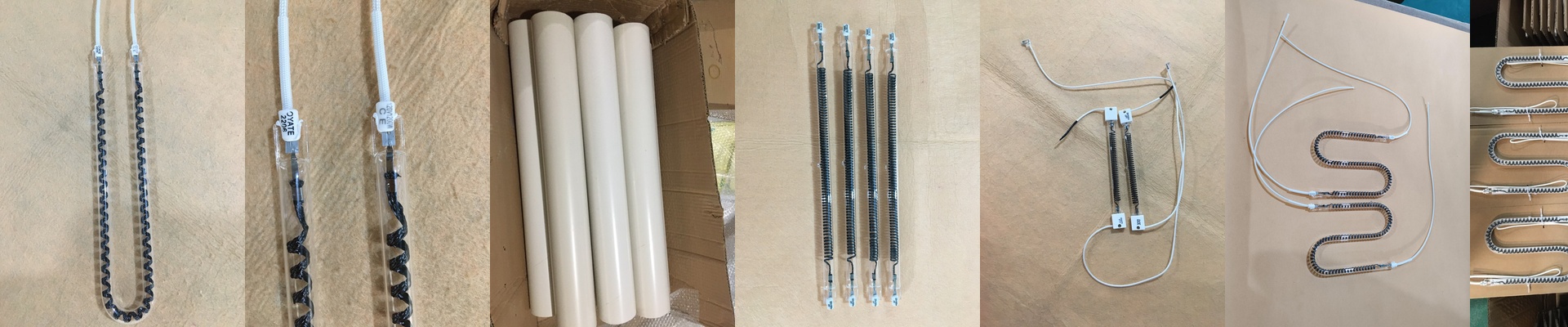
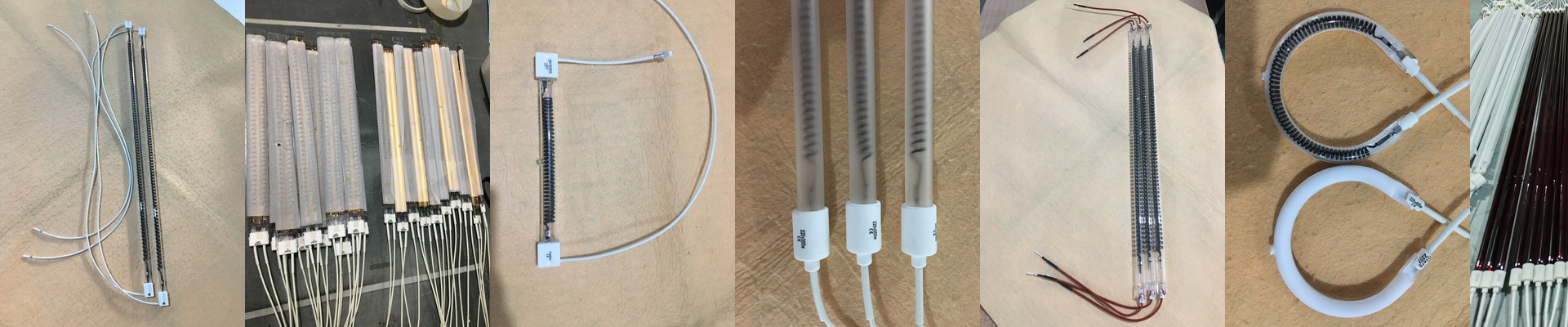
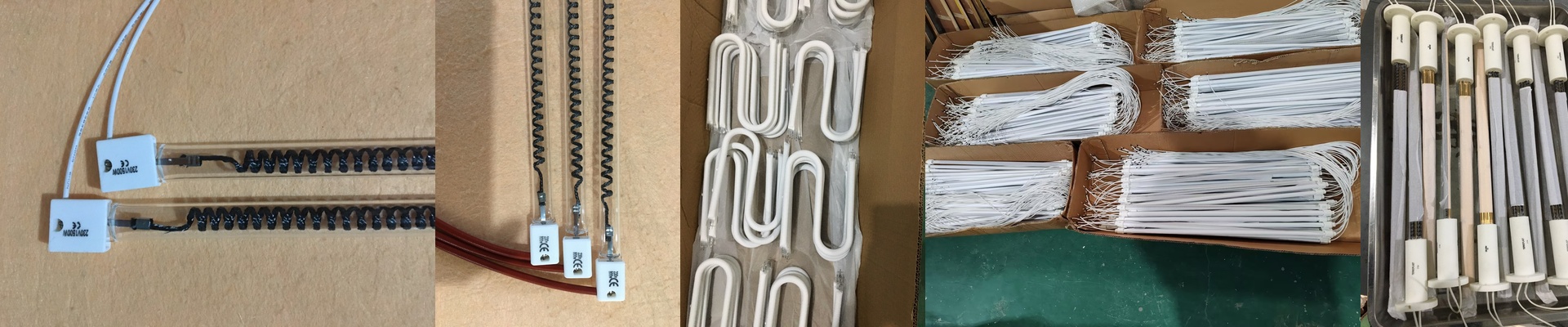
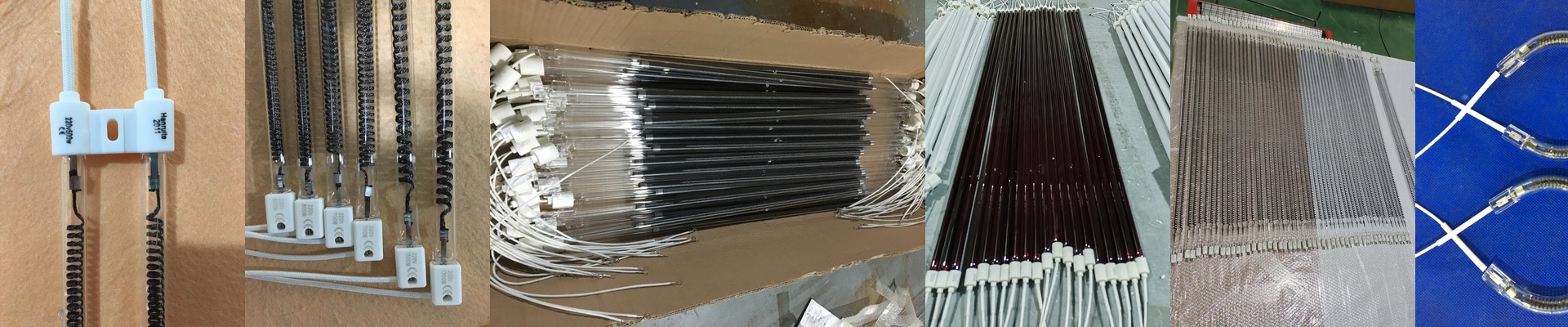
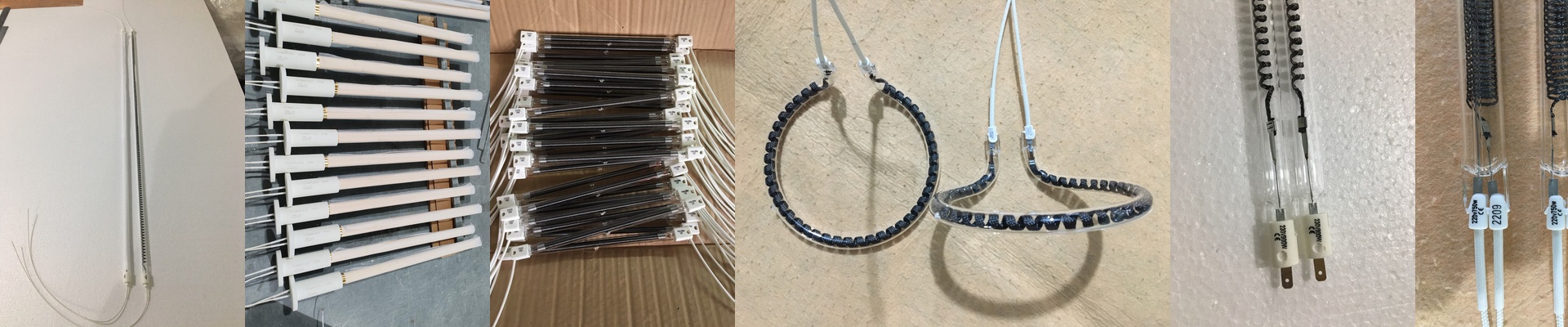
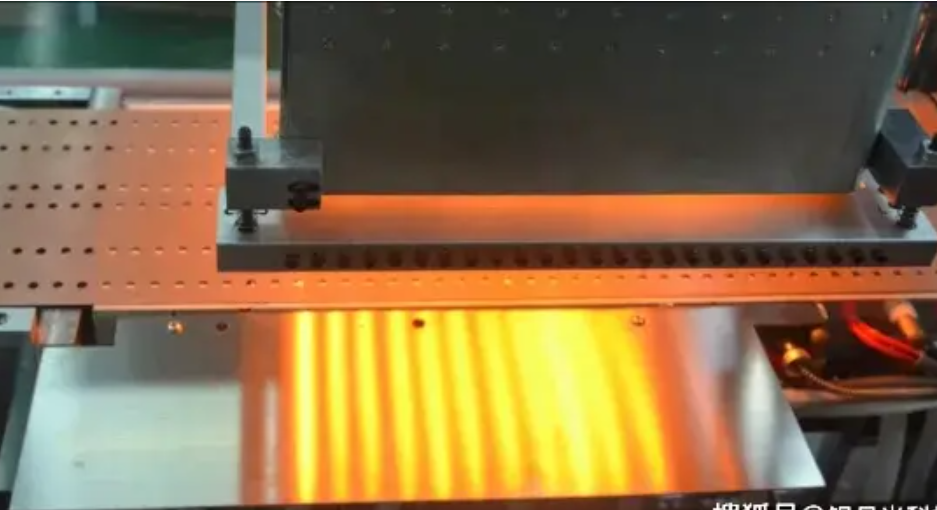
Repairing a smartwatch is a delicate game. You need enough heat to melt those stubborn adhesives and pop off micro-components, but if you’re not careful, you’ll fry the PCB before you even get the screen off. That’s why we focused on infrared (IR) lamps. They hit the glue fast and hard, but they keep the heat exactly where it needs to be. The nitty-gritty on power When we build these, we go for a high wattage-to-length ratio. Why? Because a shorter tube lets you concentrate all that energy on a small 30cm or 40cm spot. It’s about speed. We’ve tweaked the voltage so the lamp hits the right temperature in a few seconds. Just a heads-up: those high-wattage tubes pull a lot of power the moment you flip the switch. Make sure your power supply can handle that initial surge, or you’ll be replacing a burnt-out lamp way sooner than you’d like. Built to take a beating We use high-purity quartz glass for the halogen filament. If you’re flipping the lamp on and off all day during a repair, standard glass would just crack from the thermal shock. Quartz doesn’t do that. We also stuck with standard R7s or SK15 connectors. It means you can just plug them in and get to work without messing around with custom soldering. Some of our tubes even have a special coating. It shifts the energy so it targets the adhesive instead of just heating up the watch glass. The trade-offs Look, no tool is perfect. A high-intensity lamp saves you a ton of time, but it can warp plastic housings if you get too close. You’ll want a solid jig to keep the distance consistent. And if you crank the wattage to speed things up, keep an eye on your ventilation. If the air around your workstation gets too hot, you risk overheating the very electronics you’re trying to fix.