Getting the Heat Right for Smart Meter PCBs
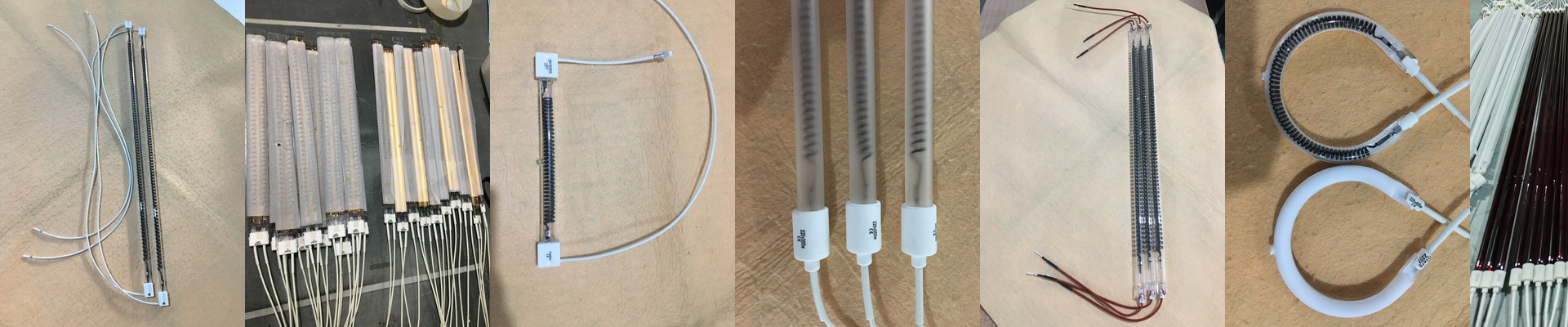
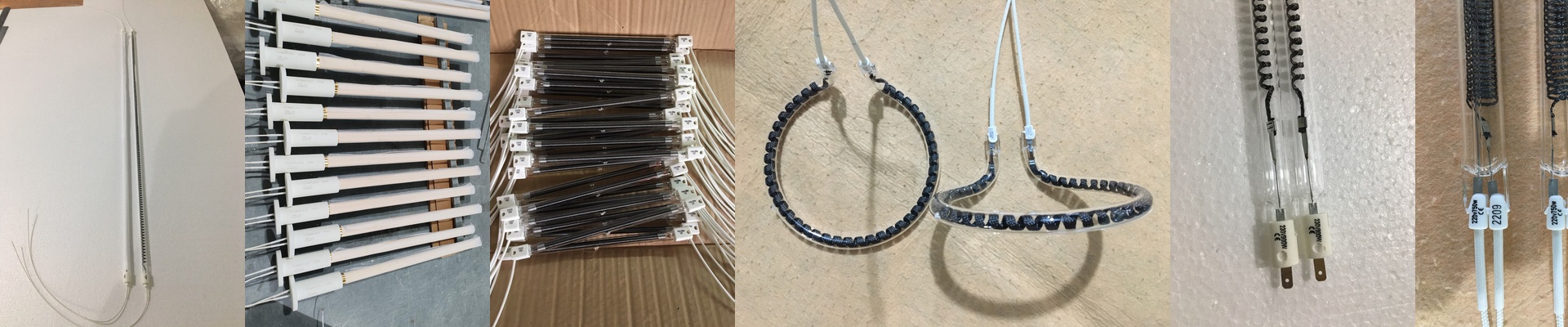
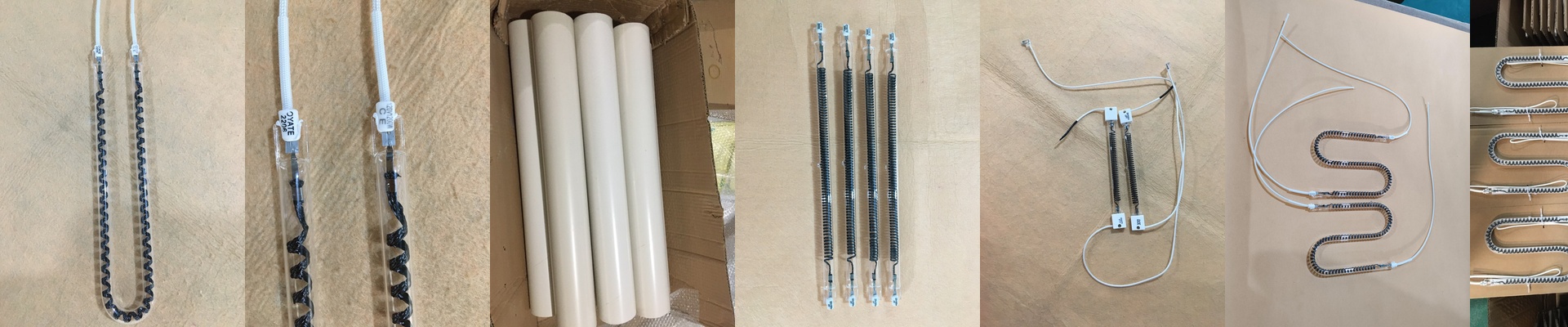
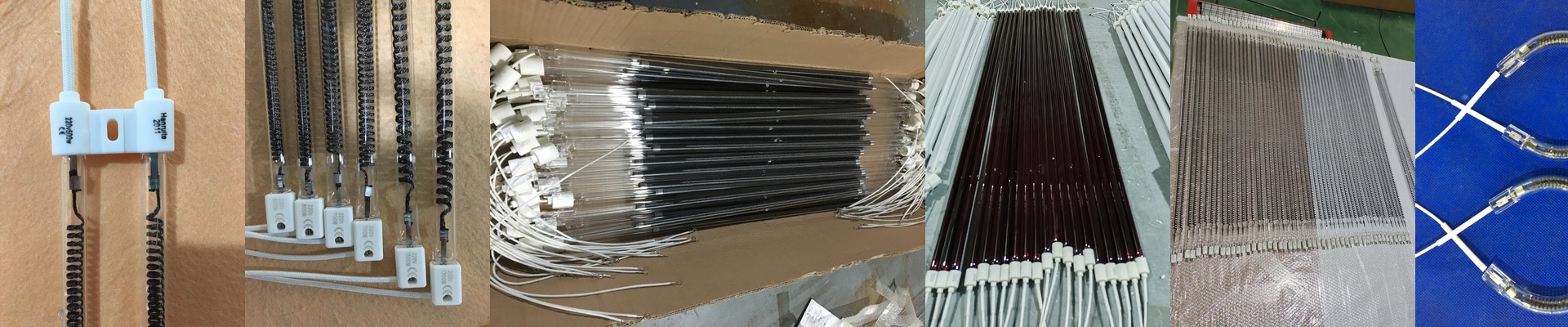
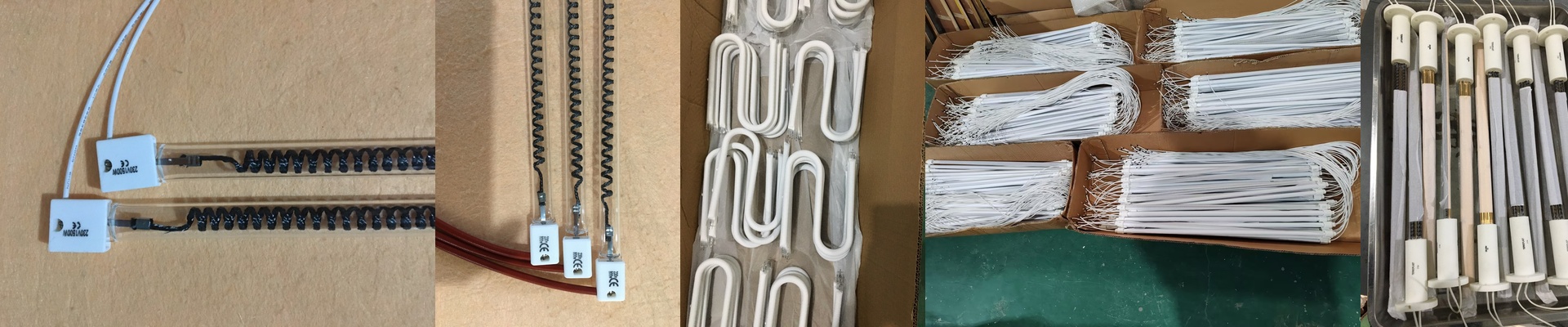
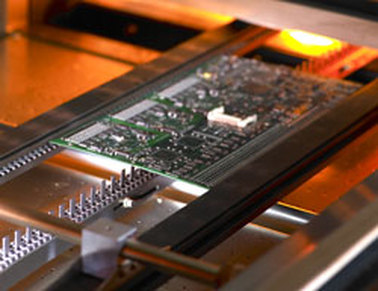
If you’ve ever worked with smart meter PCBs, you know the struggle. You need the solder paste to reflow perfectly and the components to bond tight, but one wrong move with the temperature and you’ve fried your semiconductors. It’s a delicate balance. That’s why we build our quartz heating lamps to hit those exact temperature targets across the entire board, no cold spots allowed. The nitty-gritty on power and heat Our lamps use high-intensity short-wave radiation. Basically, we play with the wattage and voltage to control exactly how much heat hits the PCB. Want to speed things up? Go for higher wattage. It cuts down your cycle time per board, which is a huge win for your throughput. Just a heads-up: make sure your power supply can handle that initial surge when the lamps kick in. If your voltage starts bouncing around, your solder joints will be all over the place. Why quartz actually matters We wrap the tungsten filament in high-purity quartz glass. Why? Because it lets the infrared energy fly straight through without getting absorbed, pushing the heat directly into the PCB substrate. We seal the ends tight so oxygen can’t sneak in. That keeps the filament from burning out way too soon. And we know you don’t have time to rebuild your entire setup. We offer different connector footprints so these just slide right into your existing rigs. But here’s the thing: the length has to be spot on. A few millimeters off and the lamp won’t seat in the socket. That’s how you get an electrical arc, and nobody wants that. Bringing it to the shop floor If you’re doing small-batch runs, you can ditch those bulky convection ovens. These lamps give you direct heat. It’s cleaner. Your machine frame doesn’t turn into a giant radiator. One word of caution, though. Short-wave IR is powerful. If the lamp is too close to the PCB, those tiny SMD components can overheat in a heartbeat. Get your gap calibrated and dialed in, and you’ll be golden.