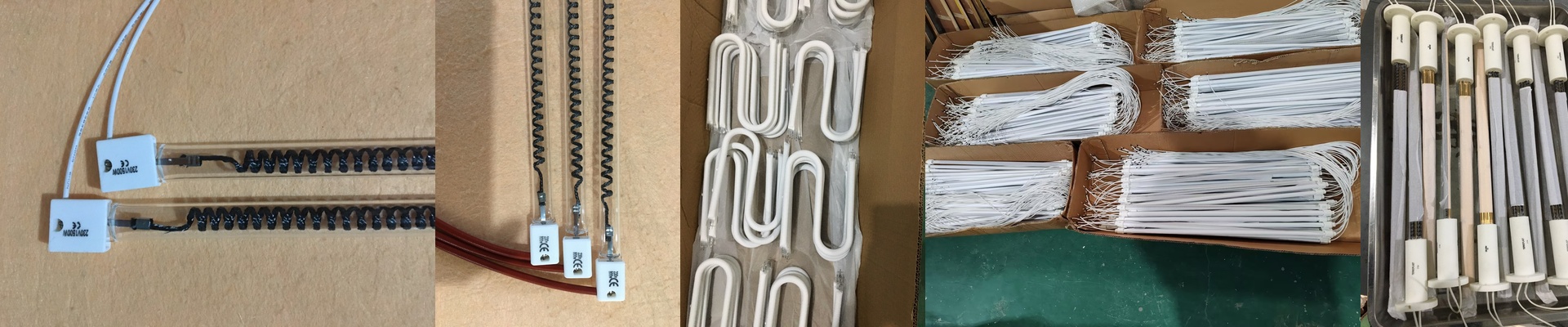
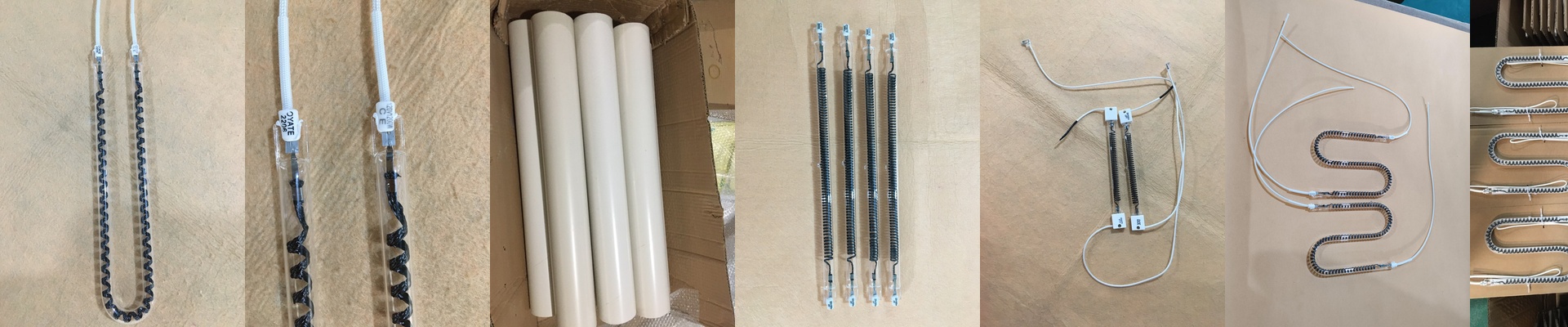
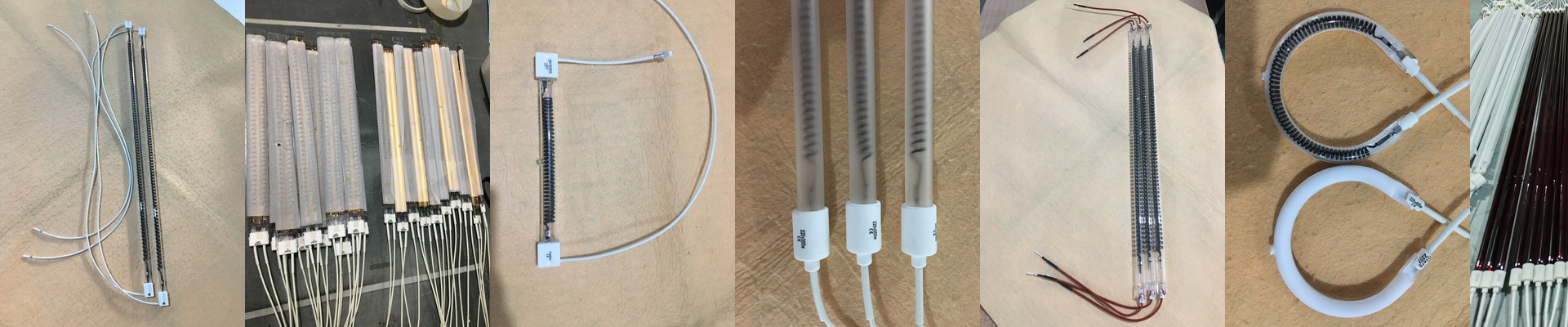
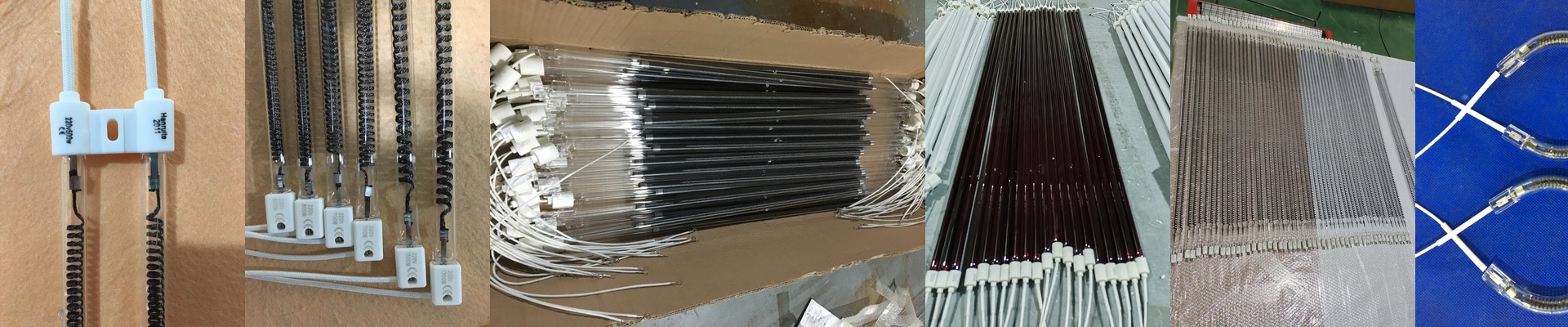
Let’s Talk Short Wave Carbon Fiber Heating Lamps
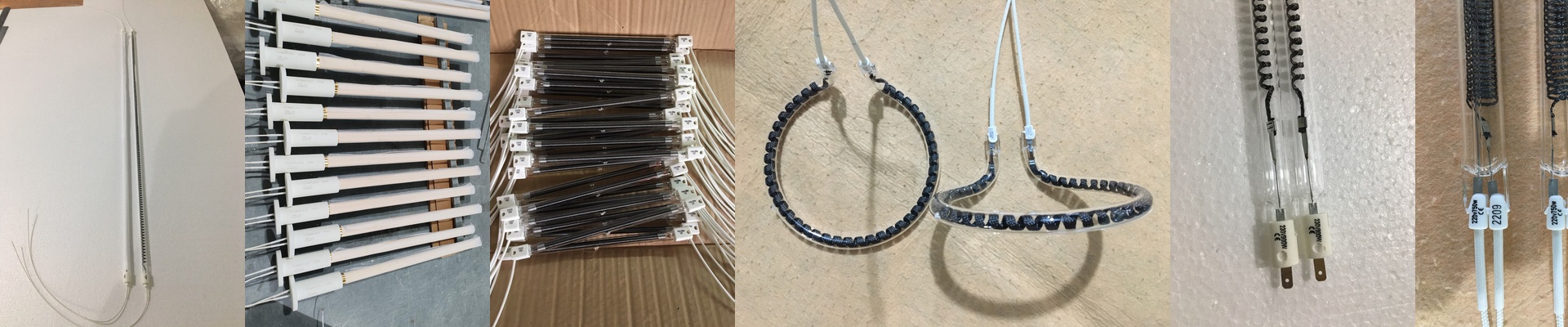
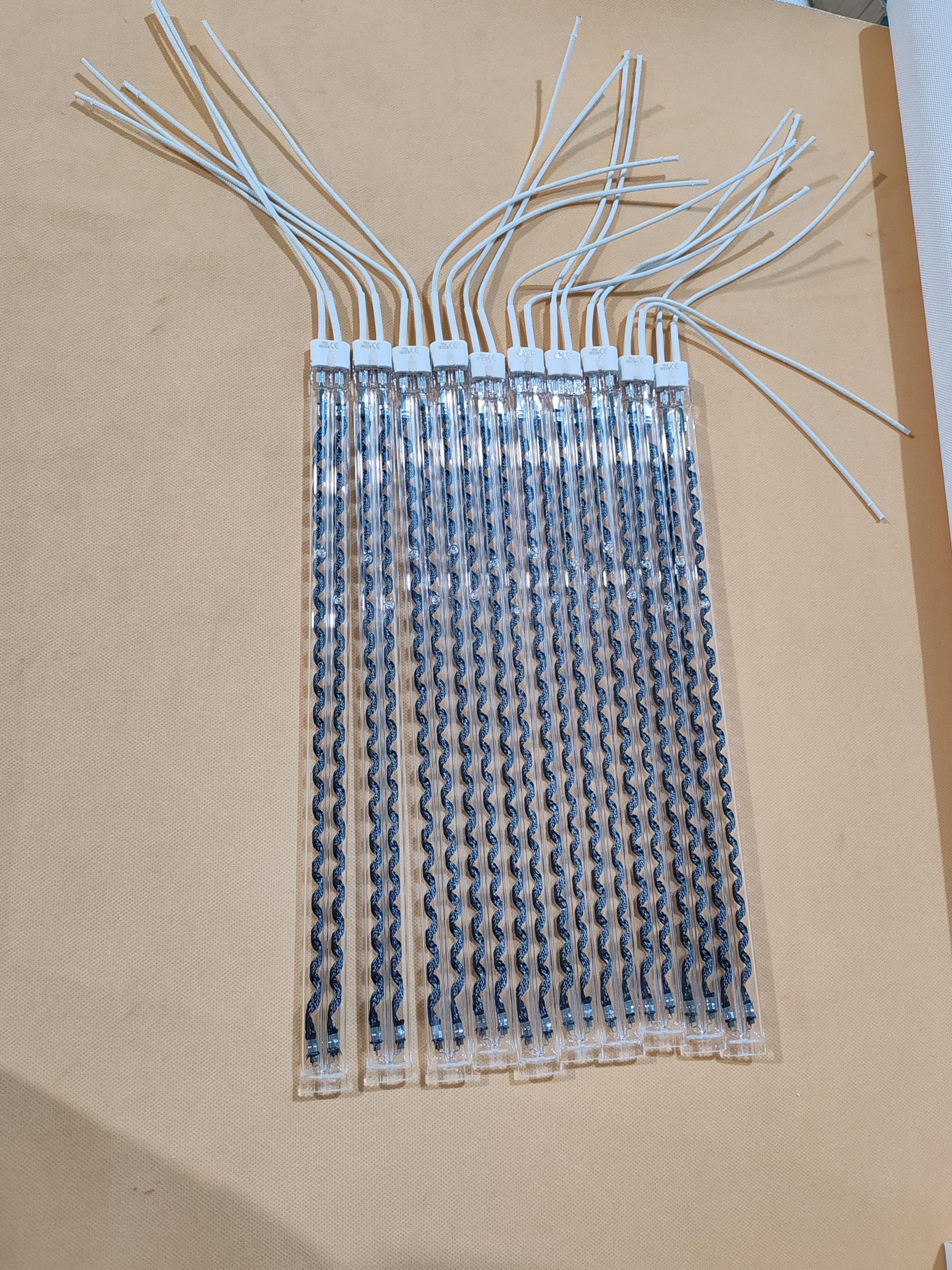
So, here is the deal with these lamps. We’ve got a carbon filament tucked inside a quartz tube that pumps out some seriously intense infrared radiation. Unlike those old-school coils you might be used to, the carbon fiber gets hot fast. Really fast. It also hits the material at a specific frequency that lets the heat sink deep into the product instead of just scorching the surface. Getting the power right The real secret sauce is the wattage-to-length ratio. We usually aim for high wattage over a short distance to get as much heat as possible hitting the target. If you’re running a high-voltage setup, you’ll notice the heat stays way more consistent across the whole tube. But a word of warning: when you cram that much power into a small space, things get hot. Like, really hot. Make sure your housing and reflectors can actually handle the temperature, or you’re going to end up with warped fixtures and a bad day. The build and the basics We use high-purity quartz glass because it doesn’t freak out when it goes from cold to hot in a split second. The carbon filament is built to expand and shrink over and over without just snapping. As for getting them plugged in, we use standard R7s or Sk15 bases. They’re basically drop-in replacements for most industrial heaters. You can just wire them up and go—no need to spend your afternoon messing around with custom soldering. Depending on what you’re doing, some of these come with a special coating. It can either tweak the light spectrum or just keep the tube from getting ruined by chemical splashes on the shop floor. Putting them to work You’ll see these things everywhere—blowing PET bottles, curing car paint, or welding plastics. Because it’s short wave, the heat hits the target almost instantly. It shreds your cycle times. But here’s the catch: you have to be precise with your distance. Since the energy is so concentrated, being an inch too close can mean the difference between a perfect part and a melted mess. Just take a minute to dial in your focal point, and you’ll find that sweet spot between speed and quality.