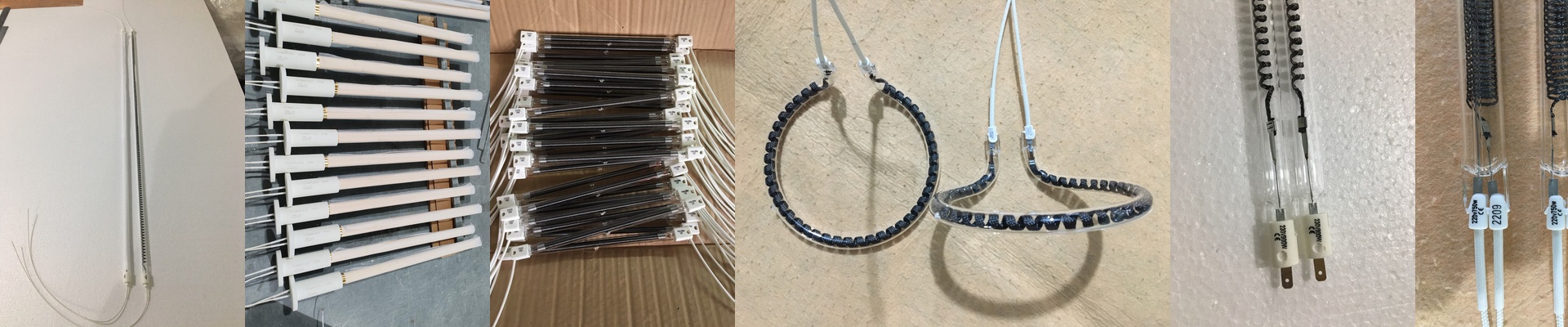
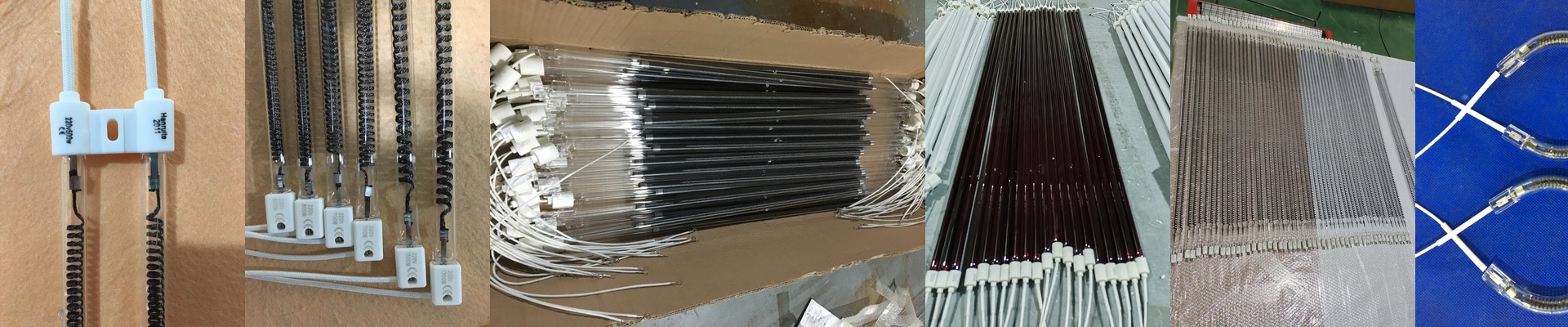
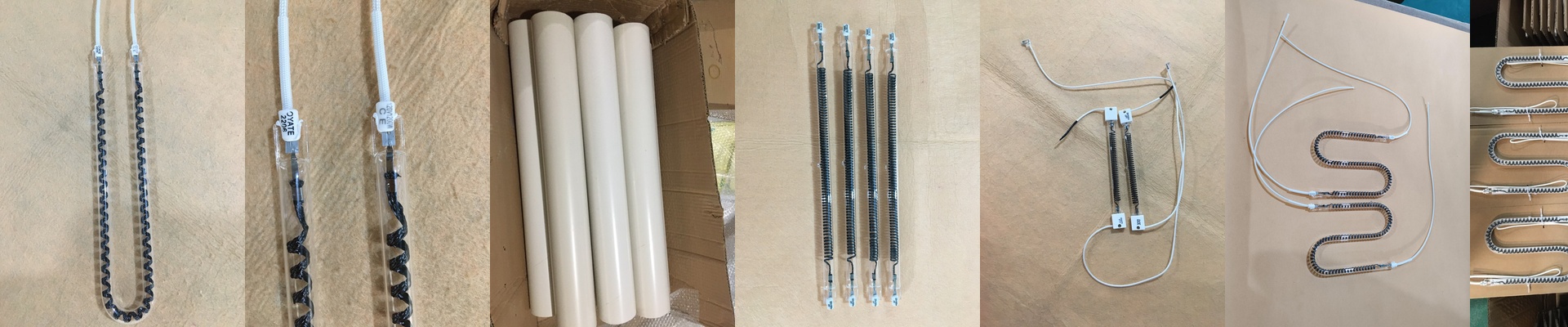
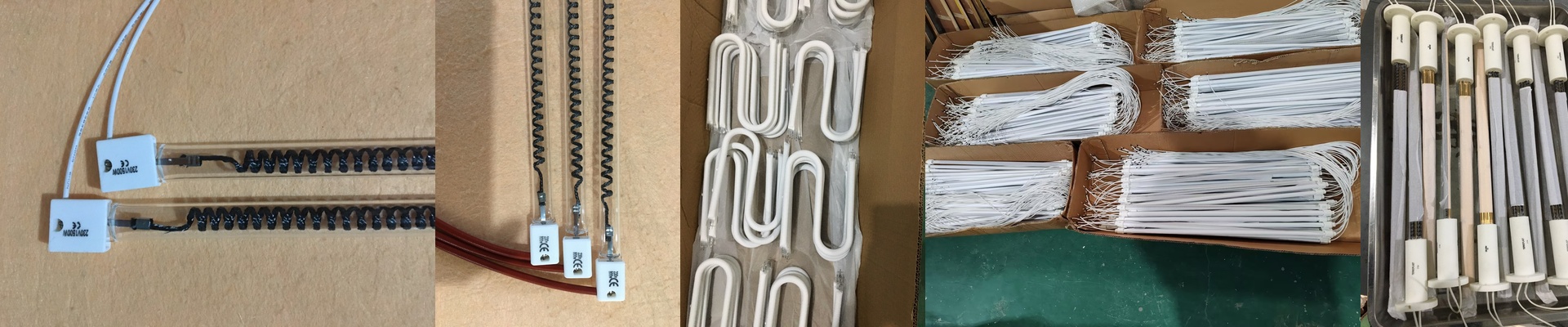
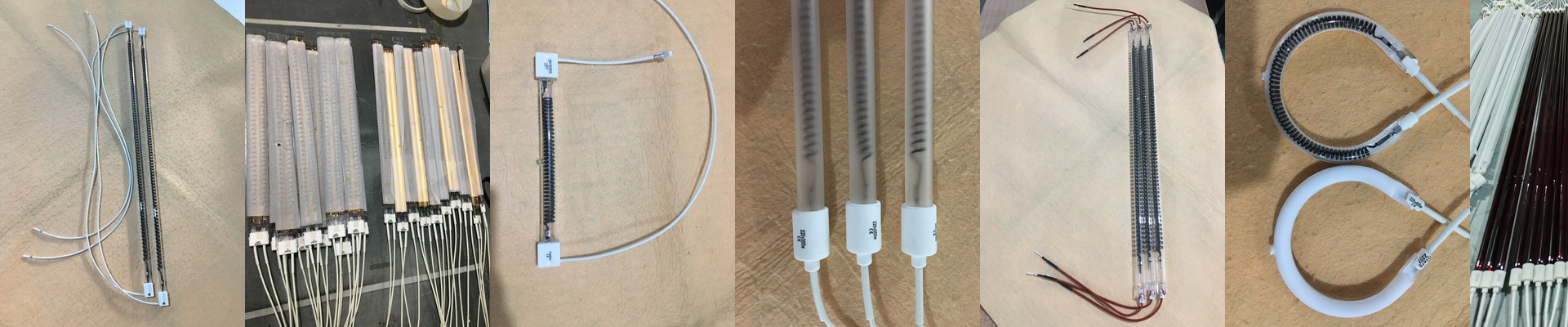
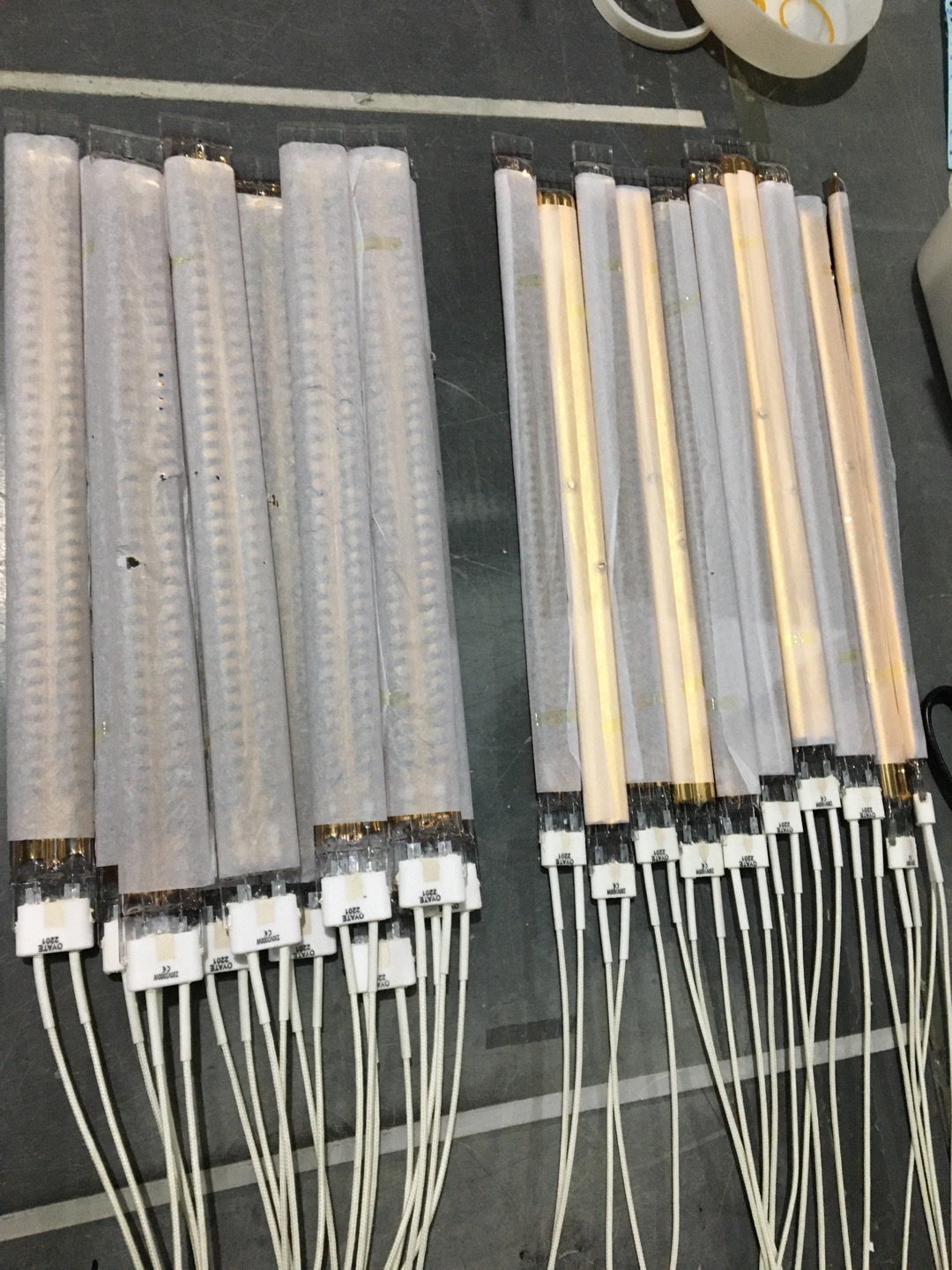
Let’s talk about these Carbon Fiber Heaters
We’ve been working on a new way to handle high-intensity heat, and we decided to ditch the old metal alloy filaments for carbon fiber. Why? Because it actually changes how the heat hits your materials. It digs deeper and gets up to temperature way faster than the old stuff. The power side of things Here’s the thing: the heat you get depends entirely on how the carbon fiber is woven and how long the element is. If you go for a high-wattage setup, you’re getting a huge amount of heat in a tiny space. It’s great because you can shrink your heating bank and save some room on the floor. But a word of caution—watch your power supply. These things hit hard on the initial cold start. If your wiring is too thin, you’ll see the voltage drop, and your heat output will just tank. Built to last (mostly) We wrap the fiber in high-purity quartz. It keeps the air out so the filament doesn’t oxidize, but it lets the infrared light sail right through. The best part? Carbon fiber doesn’t freak out when it gets hot. Unlike tungsten, it doesn’t sag or warp after you’ve cycled it a few hundred times. We made the connectors standard, so you can just swap them into your old halogen slots. You’ll notice something weird, though: the glass stays cooler than the glowing center. That’s a lifesaver if a bit of cold liquid splashes on the tube—it won’t just shatter instantly. Getting it running on your floor These are perfect for PET blowing, drying, or curing lines—basically anywhere you need heat right now. Since they react so quickly, you can tighten up your PID loop and stop worrying about scorching your product. Just be careful with the installation. Carbon fiber is strong, but it hates shaking. If your machine vibrates like crazy, the fiber can snap.Mount your brackets tight. And please, use heat-resistant cabling. If you use the cheap stuff, the insulation will be a melted puddle within a week.