The Truth About Carbon Fiber Quartz Heaters
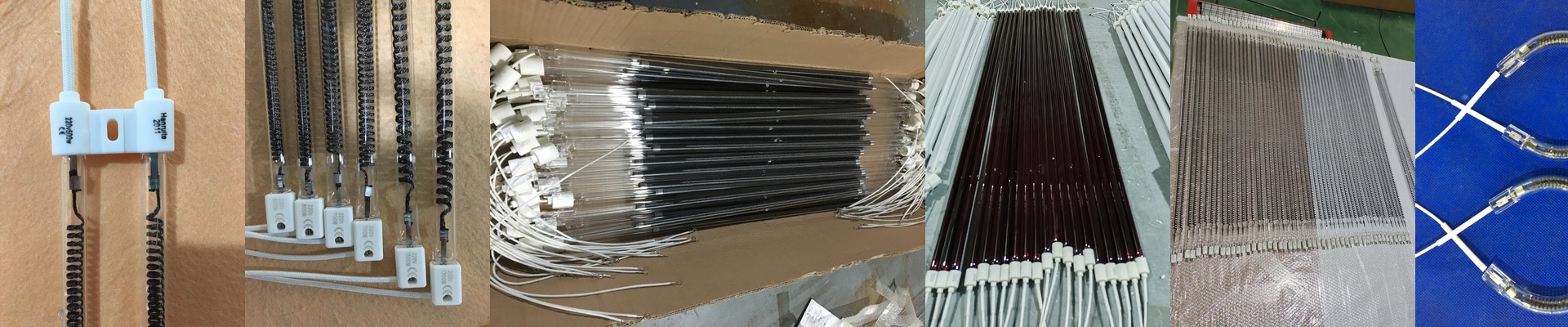
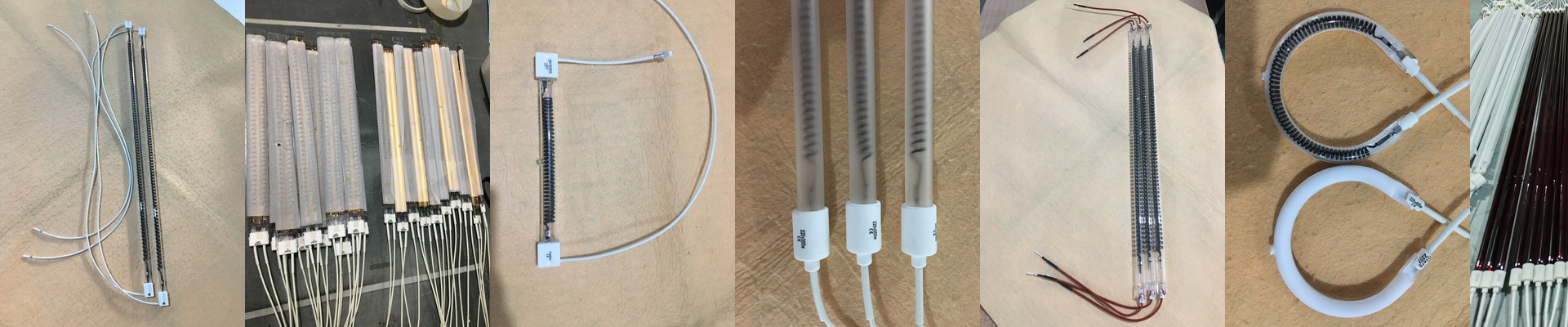
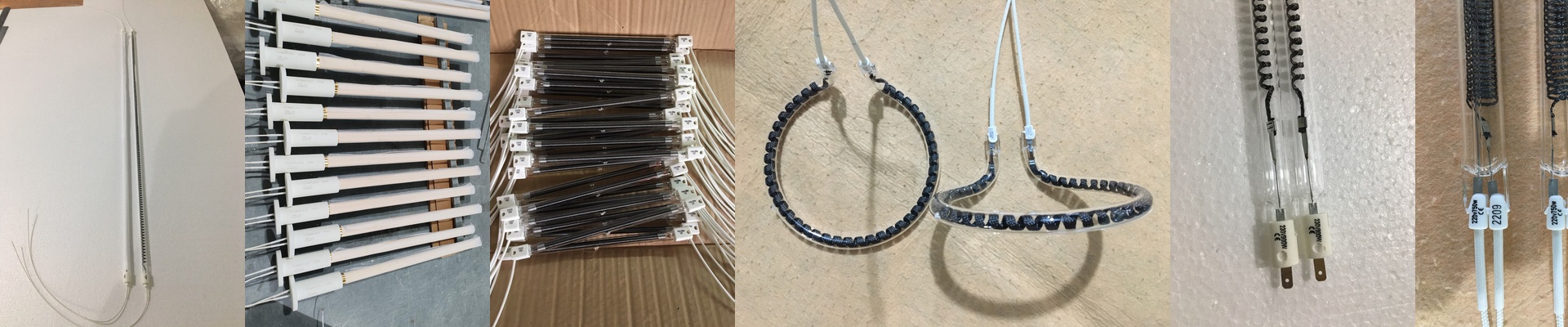
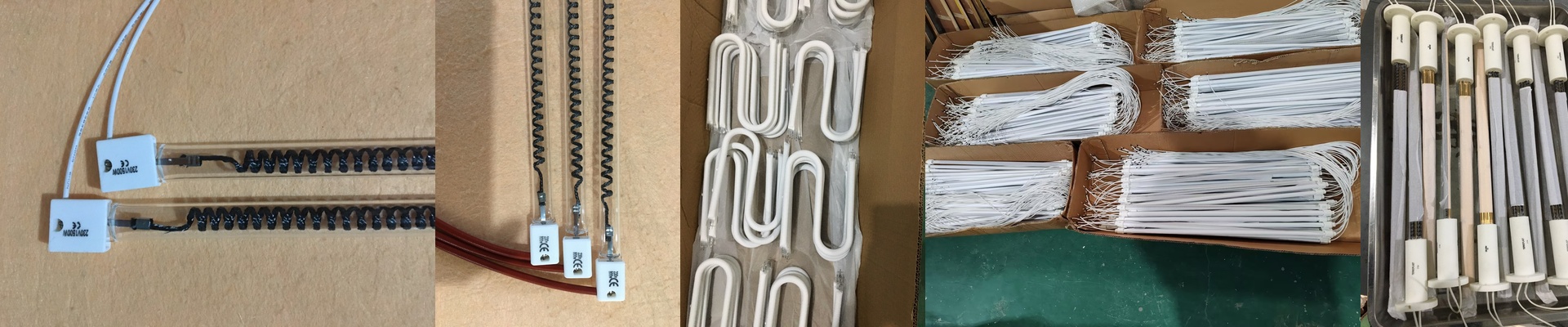
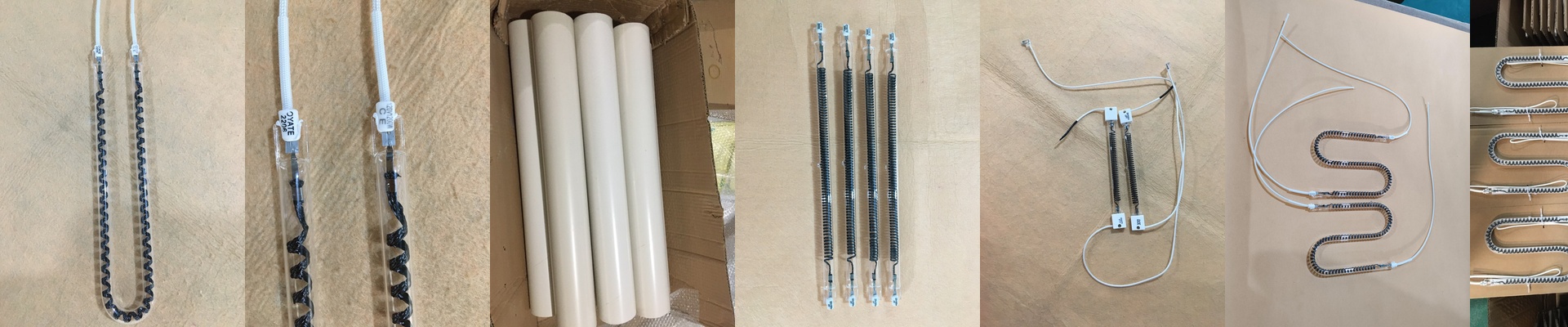
If you’re dealing with industrial processes that need to get hot—and get hot fast—you’ve probably looked at our carbon fiber quartz lamps. Here is the deal: most people are used to standard metal coil heaters. But we do things differently. We wrap a carbon fiber filament inside a high-purity quartz tube. It changes the way the heat hits your material, pushing that energy deeper into the substrate rather than just scorching the surface. Let’s talk about the physics (without the boring part). Carbon fiber is a beast. It handles extreme heat way better than tungsten, so you don’t have to worry about the filament sagging or burning out prematurely. When we’re figuring out the specs for your line, it all comes down to the wattage-to-length ratio. Higher wattage means more intense shortwave radiation. In plain English? You get heat almost instantly. But there’s a catch. All that concentrated energy puts a massive strain on your reflectors. If your reflectors are dirty or pitted, you’re basically throwing money away because that heat is leaking into the chassis instead of hitting your product. Keep them clean. The nuts and bolts of the build. The quartz tube isn’t just there for looks. It keeps the carbon filament from oxidizing while letting the infrared energy slide right through. We use quartz because it doesn’t flinch when things get scorching. As for the electrical side, we keep it simple. We use standard industrial connectors so you can just swap these into your existing arrays without a headache. Just a heads-up: check your wiring. If your wires can’t handle the peak current draw, you’ll get voltage drops, and your cycle times will tank. Where this actually matters. You’ll see these in PET blowing, paint curing, and plastic welding. They’re the answer to that annoying “slow warm-up” problem. Since the carbon filament hits operating temperature so quickly, you can actually shrink the size of your heating tunnel. It saves space. It’s efficient. One last thing—don’t forget your cooling fans. If the airflow is bad and the ends of the quartz tube overheat, the glass will crack. And nobody wants to deal with shattered quartz on a Tuesday morning.