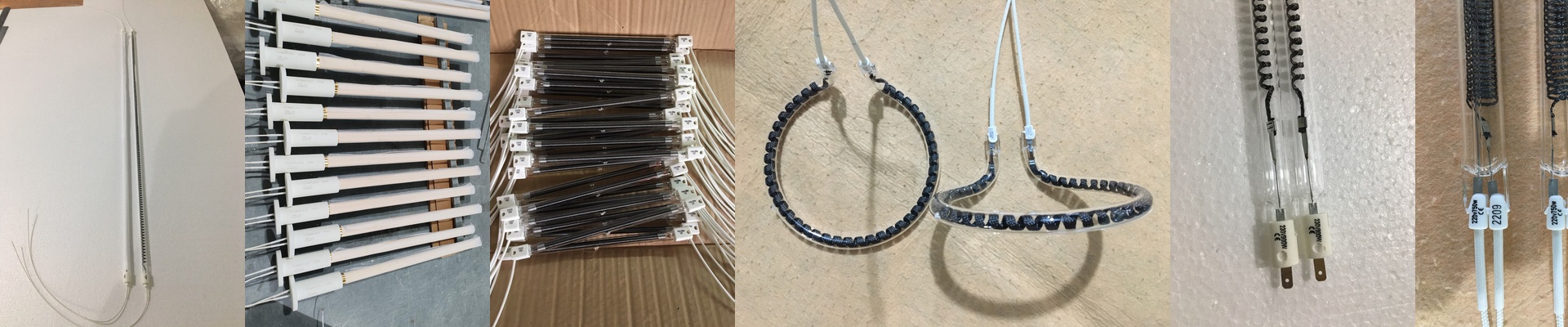
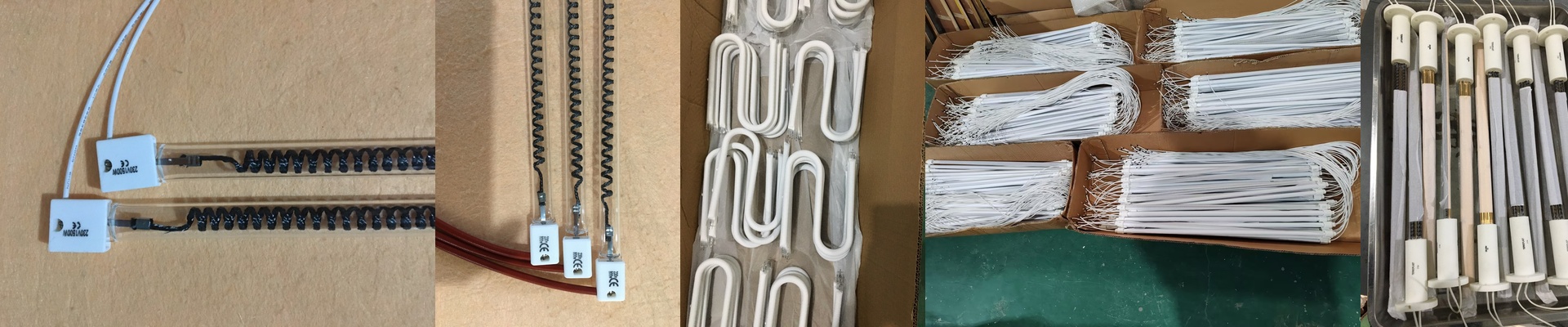
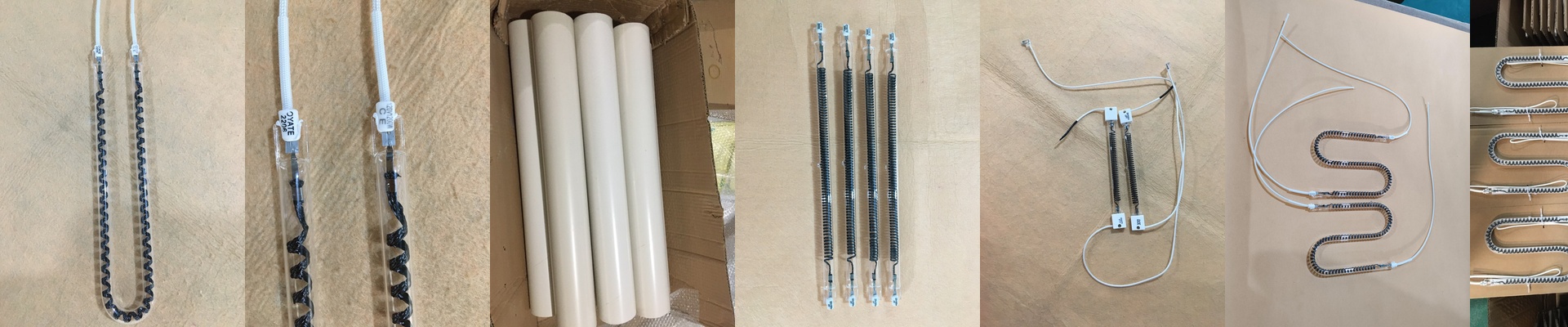
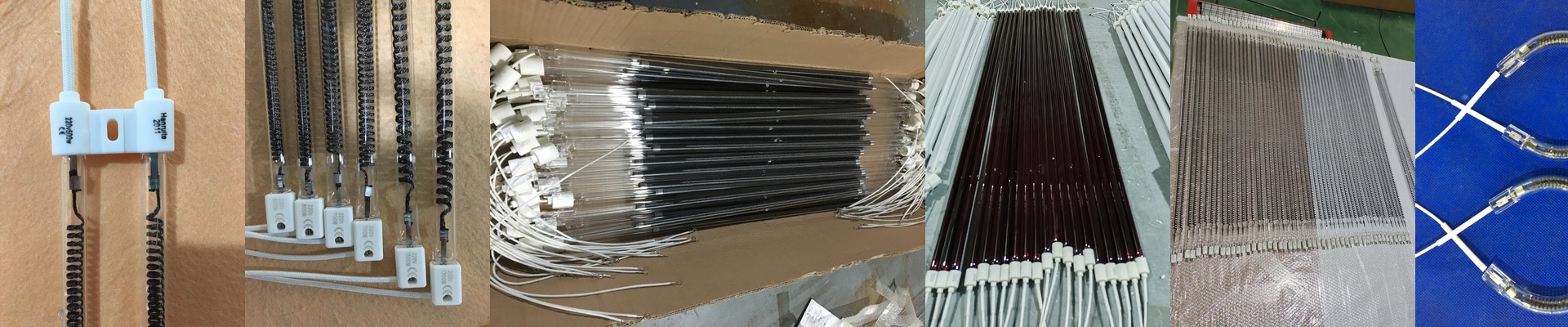
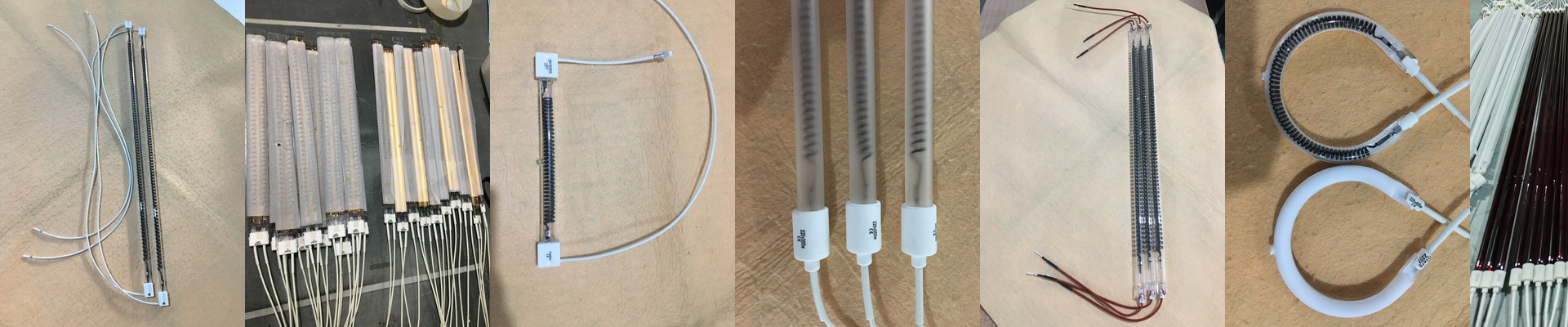
A Real-World Look at Carbon Fiber Infrared Lamps
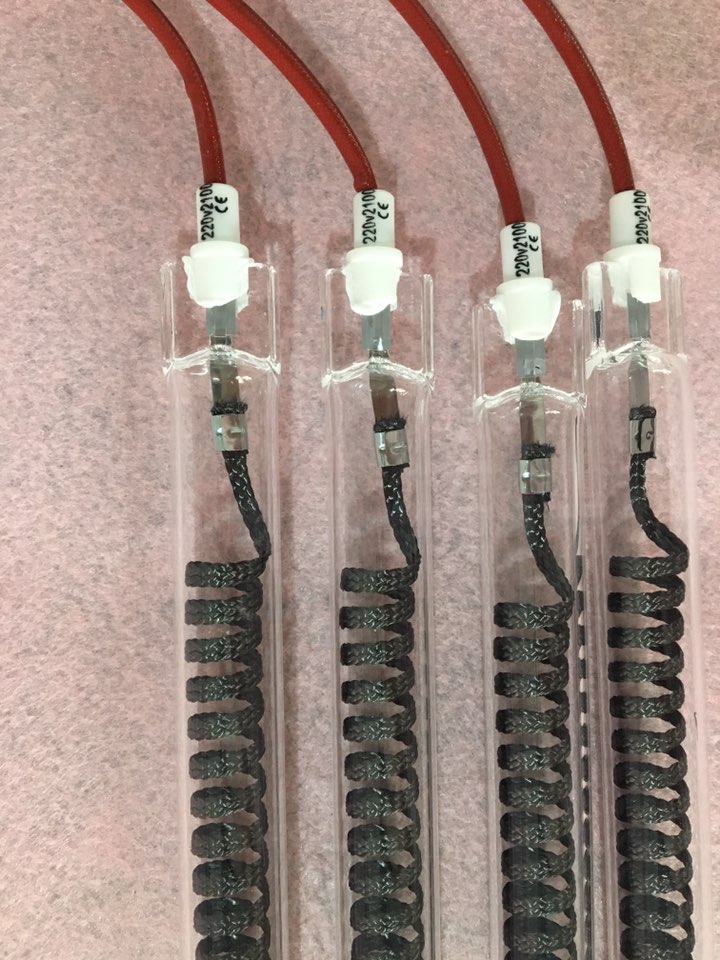
We build these carbon fiber lamps for the tough jobs—the kind of high-intensity heating where old-school metal filaments just can’t keep up or they end up snapping. Instead of the usual quartz heaters, we put a carbon fiber element inside a quartz tube. The result? It heats up way faster. It also changes how the heat hits your project, pushing it more toward that medium-to-short wave range. Let’s talk power. When you’re picking a lamp, the voltage and wattage are what really drive your heat. If you cram more wattage into a shorter tube, you get a much denser hit of heat. Depending on your shop’s power grid, we usually set these up for 220V or 380V. But here’s a tip: make sure your wiring is beefy enough. If your voltage drops, your infrared output tanks. That means your parts won’t get hot enough in the time they’re under the lamp, and you’re left with a bottleneck in your production. What’s under the hood? The carbon fiber core is where the magic happens. It handles the stress of heating up and cooling down much better than tungsten. You don’t have to worry nearly as much about the filament snapping when you’re cycling the power on and off. We wrap everything in quartz because it lets the infrared rays fly right through without the glass soaking up the heat. For the plugs, we stick with R7s or Sk15 bases. Why? Because they just work. They fit right into most industrial setups, so if a lamp finally burns out, you can swap it in a couple of minutes. No need to tear apart your oven or rewire the whole rig. Using them in the wild You’ll see these all over the place—PET blowing, curing paint, welding plastics. They’re great because they hit the target surface almost instantly. But, there is a catch. These lamps are powerful, but they’re a bit fragile when it comes to physical hits. If your machine shakes a lot or someone bumps the tube during install, the quartz can crack.**Keep them stable.**Use a rigid bracket to hold them still. And one last thing: give them some room to breathe. You need decent airflow, or those end caps will overheat.