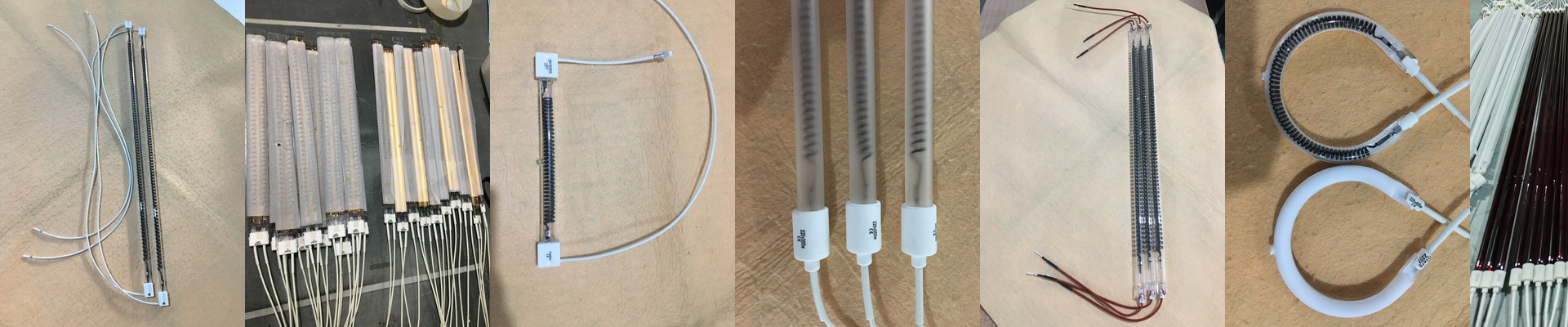
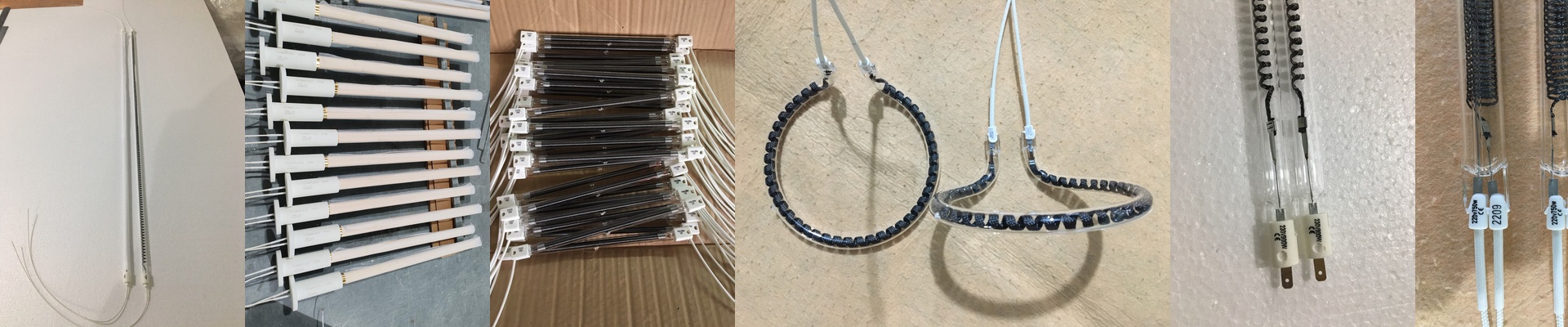
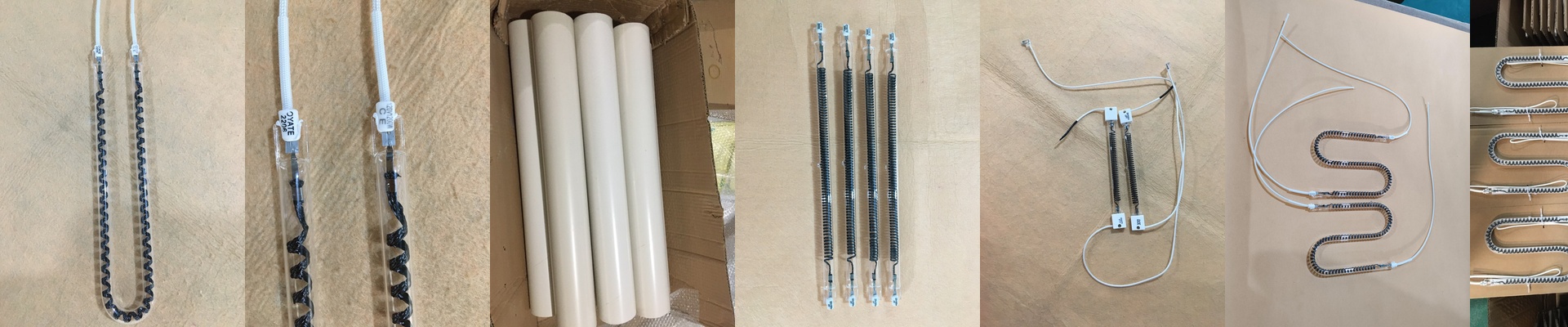
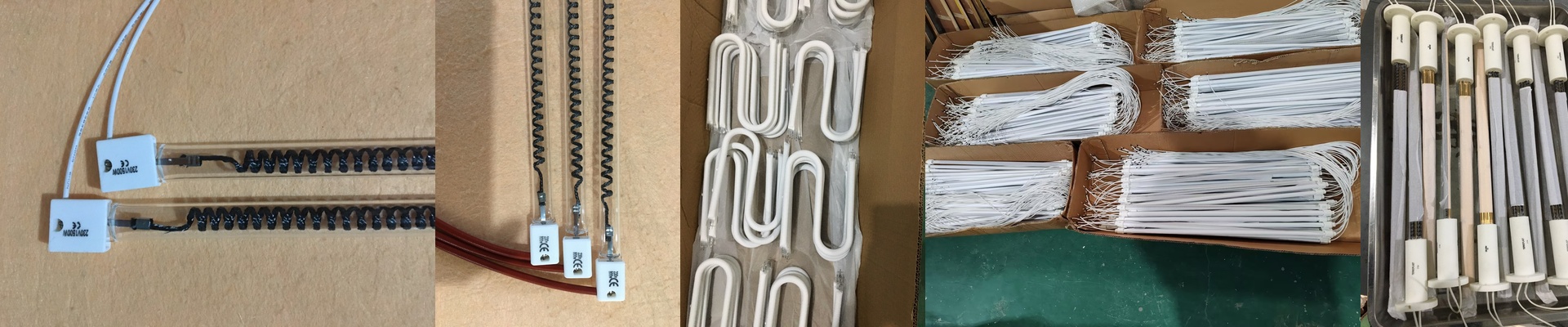
Stop Treating Your IR Lamps Like Disposables
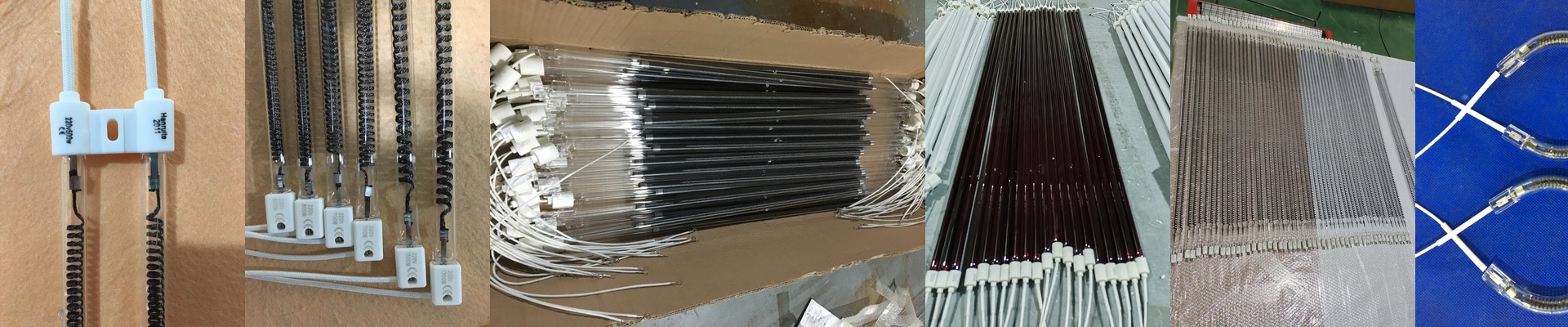
Everyone is talking about “zero-waste” in smart meter factories these days. But if you look at the PCB assembly line, there’s a dirty little secret: the heating lamps. Most of them are treated like lightbulbs in a cheap fixture—they burn out, you toss them, and you repeat the cycle. It’s a headache and a waste of money. We decided to fix that. We focused on the stuff that actually matters—filament stability and quartz purity—so you aren’t spending your weekends swapping out tubes.
The Balancing Act of Heat
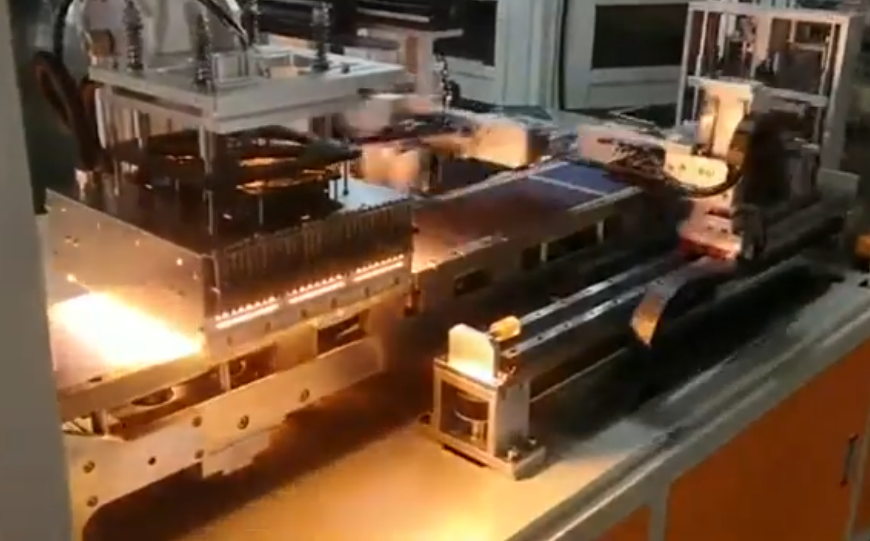
Here’s the thing about smart meter PCBs: they’re picky. If your temperature ramp is off, you end up with warped substrates or fried components. We use short-wave infrared because it hits the board fast and deep. But there’s a catch. A lot of people try to crank up the wattage to speed up the line. It works, for a while. But pushing a lamp too hard is the fastest way to kill the filament. It’s a constant tug-of-war between how fast you want the line to move and how long you want your lamps to last.
Why Most Lamps Fail (And How We Fixed It)
Ever see those “black spots” on a lamp? That’s usually where things go wrong. Most glass has tiny impurities that react with the halogen gas, creating hot zones that eat the filament alive. We use high-purity quartz to stop that from happening. Plus, we’ve dialed in a reinforced halogen cycle that actually puts the tungsten back onto the filament as it works. It keeps the wire thick and strong. And we didn’t forget the basics. We use industrial connectors that actually fit tight. A loose connection causes arcing, and once that happens, your seal is gone. Period.
What This Actually Does For Your Day
When your lamps last longer, your life gets easier. You spend less time playing technician and more time actually running the line. Since the heat output stays steady for thousands of hours, your thermal profile doesn’t drift. That means fewer rejected boards and way less scrap in the bin. Just one tip: check your cooling fans. If your housing traps too much heat, the quartz seal will pop regardless of how good the filament is. Keep them cool, and these lamps will keep humming.