Getting the Heat Right for Smart Meter PCBs
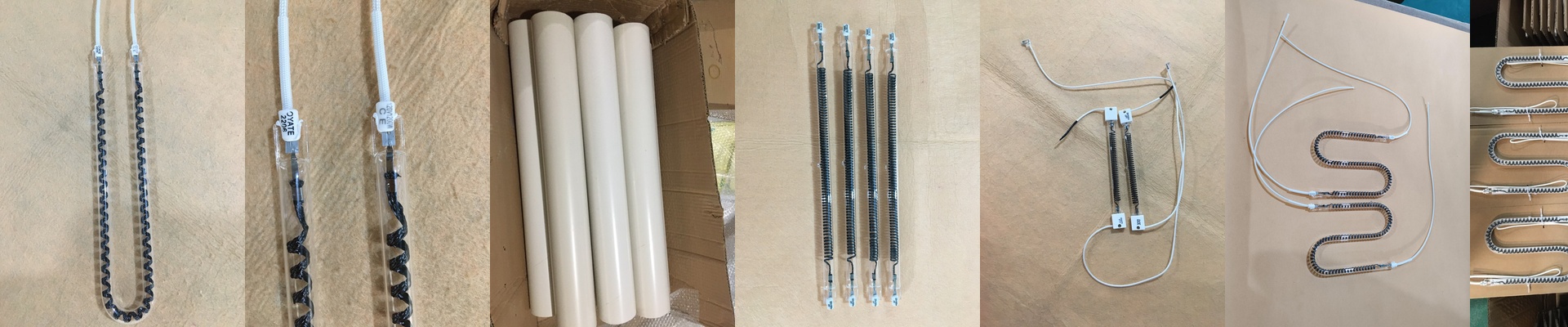
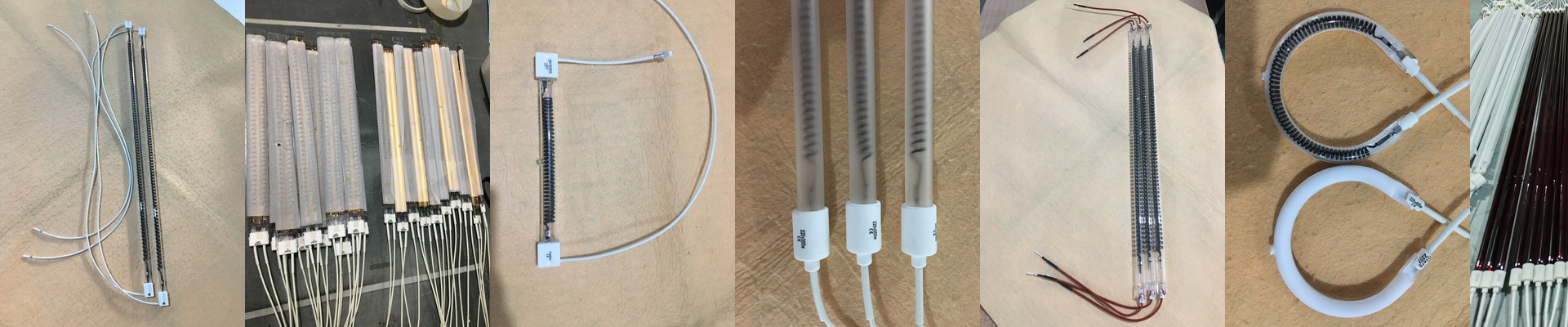
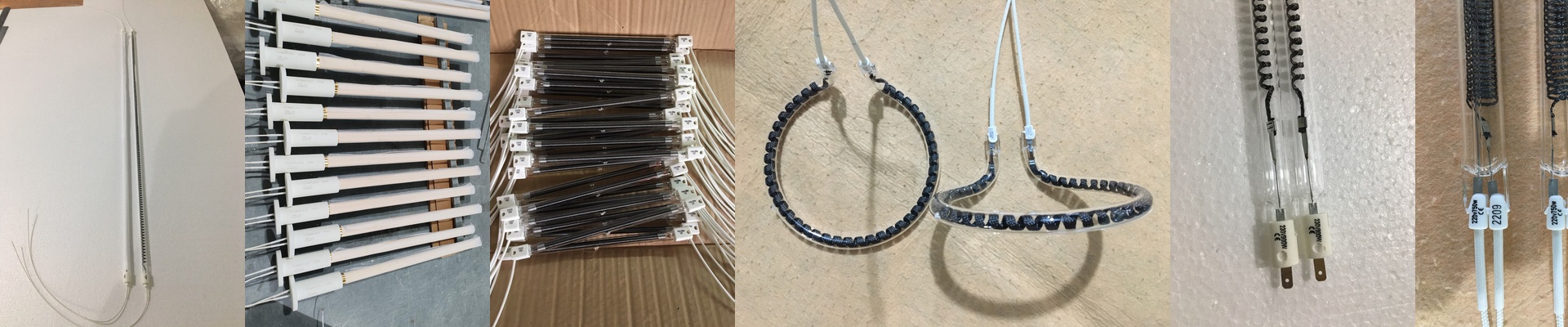
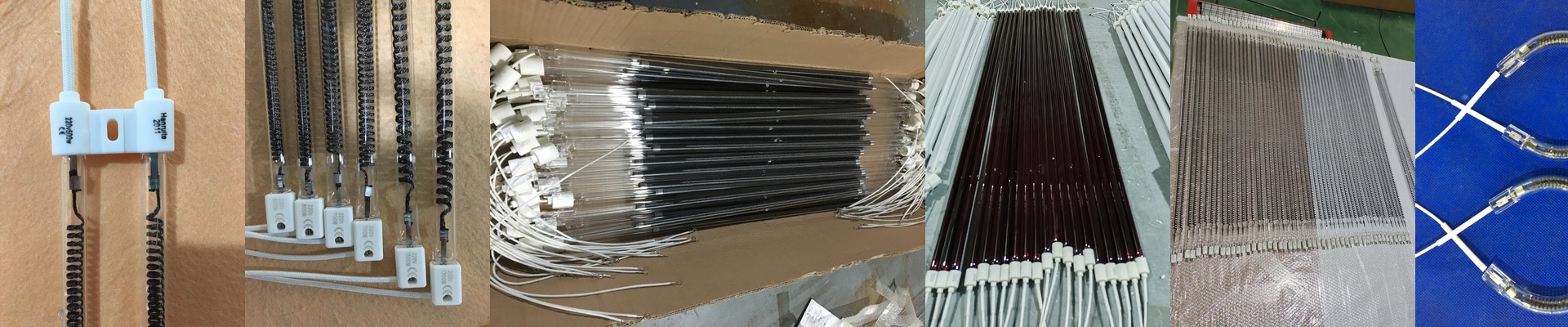
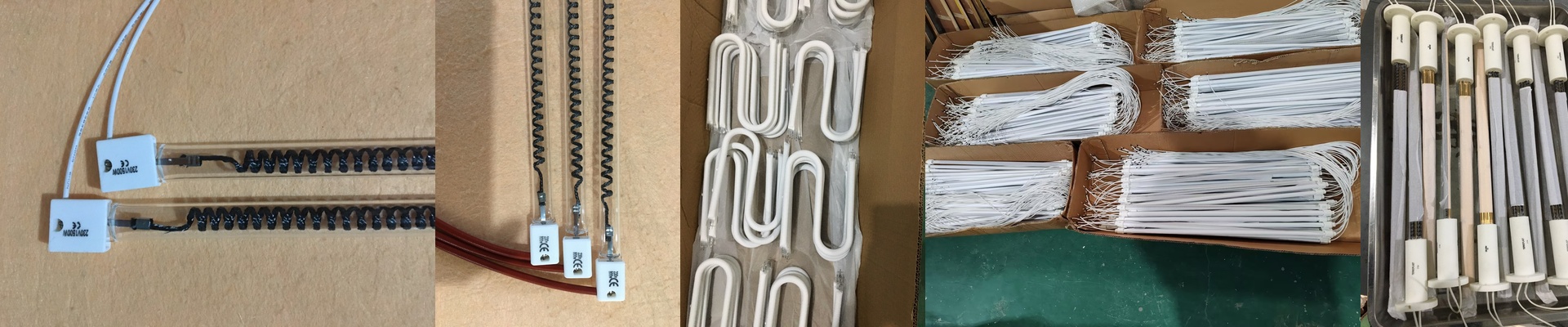
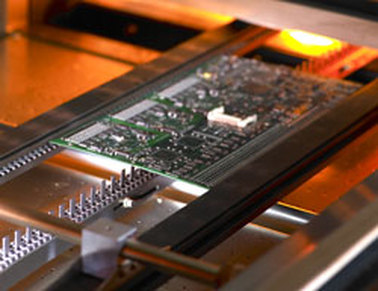
If you’ve ever worked with smart meter PCBs, you know the struggle. You need the solder paste to reflow perfectly, but you’re walking a razor’s edge—one wrong move and you’ve scorched a sensitive component. That’s why we build our IR lamps the way we do. We spent ten years moving from OEM work to our own engineering, and in that time, we learned a big lesson: stop obsessing over the datasheet and start looking at the actual physics of how heat moves. The balance of power Here’s the thing about voltage and thermal density. We spend a lot of time balancing wattage against the length of the tube. By tweaking the voltage, we can cram more power into a smaller space. This is a lifesaver for smart meters because the layouts are so crowded. It gets your boards up to temperature fast. Really fast. But a word of warning: keep an eye on your conveyor speed. If that belt crawls too slowly, those hot edges will toast your boards. The gear inside We use high-purity quartz glass for the tungsten filaments. Why? Because it doesn’t warp when the temperature swings wildly. For some jobs, we add a thin-film coating to the glass. It’s a small detail, but it shifts the light spectrum so the solder paste actually absorbs the heat instead of reflecting it. And we didn’t overcomplicate the plugs. We use standard R7s or Sk15 connectors. You can just pop them in and get to work without hunting for weird adapters. They’re designed to be simple drop-in replacements for the big international brands. Real talk: The shop floor Let’s be honest—these lamps take a beating in a 24/7 factory. Our halogen cycle helps the filaments last longer, but the quartz is still glass. It’s fragile. If you touch the glass with your bare hands, the oil from your skin creates a hot spot. That’s the fastest way to burn out a lamp. Wear gloves. It’s a simple habit that saves a lot of money. Also, get into the habit of checking your reflectors every month. If they get dusty or grimy, you’re losing about 20% of your heat. That forces the lamps to work harder and run hotter, which just kills them faster. Keep them clean, and your gear will actually last.