IR vs. Hot Air: Which one actually works for BGA rework?
If you’ve ever tried pulling a BGA chip off a smart grid PCB, you know the struggle. You’re basically fighting physics. You need to melt those tiny solder balls hiding underneath the chip, but you have to do it without accidentally blowing every capacitor and resistor on the board into the next room. Most shops just lean on hot air. It’s the default. But honestly? IR radiation is where you want to be.
Why hot air can be a nightmare
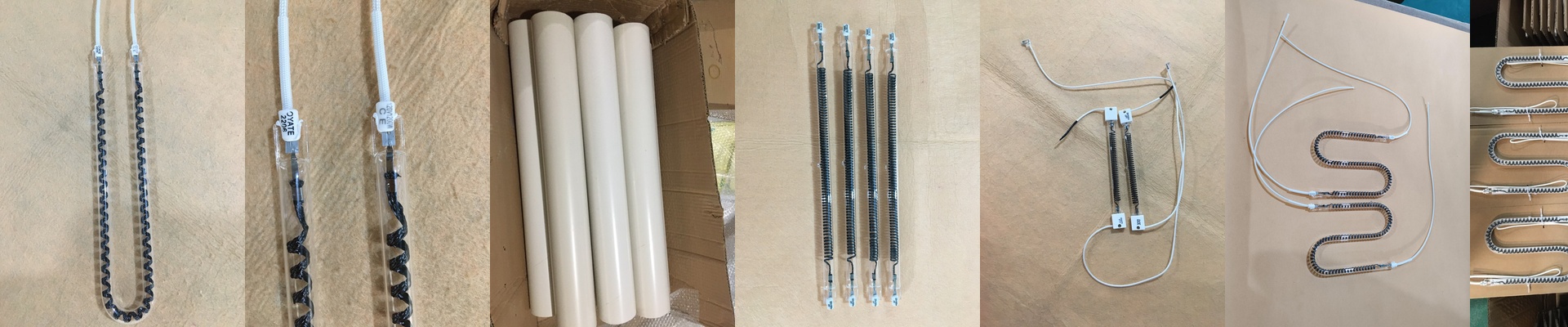
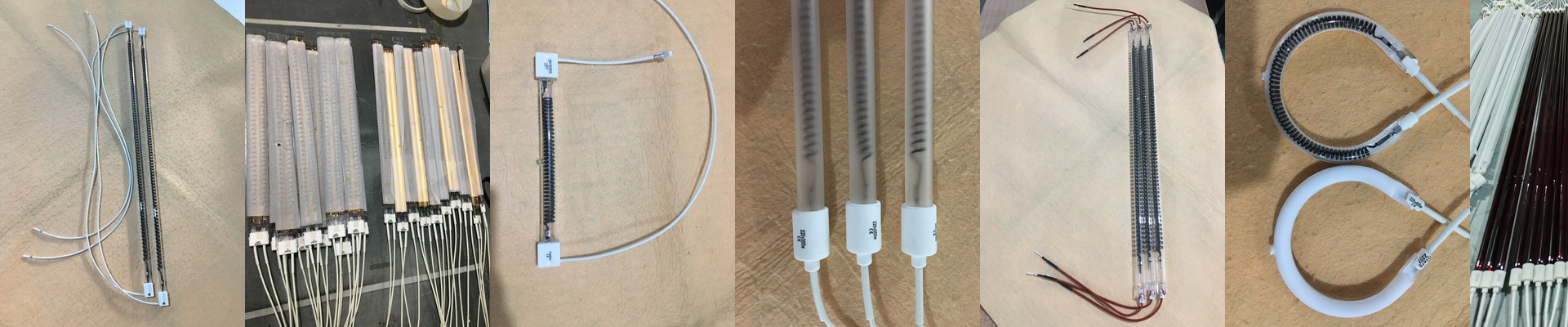
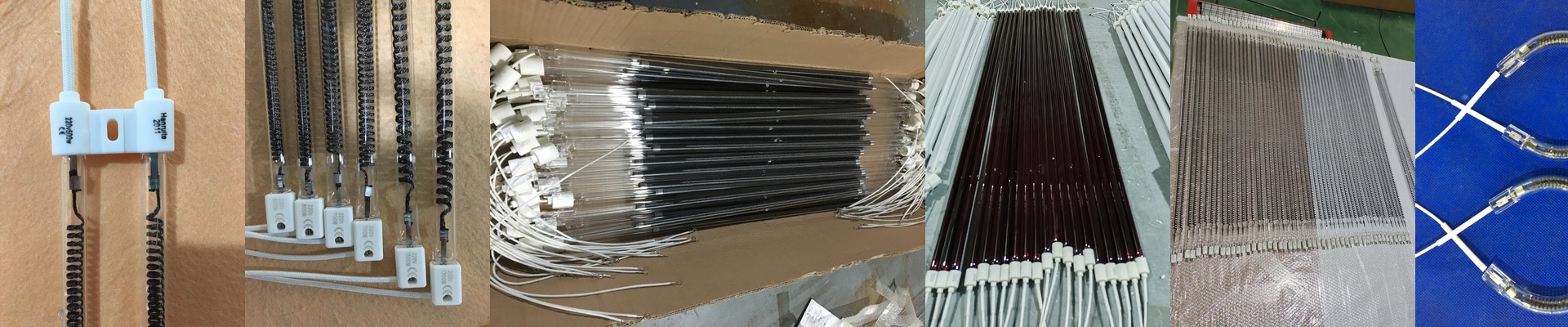
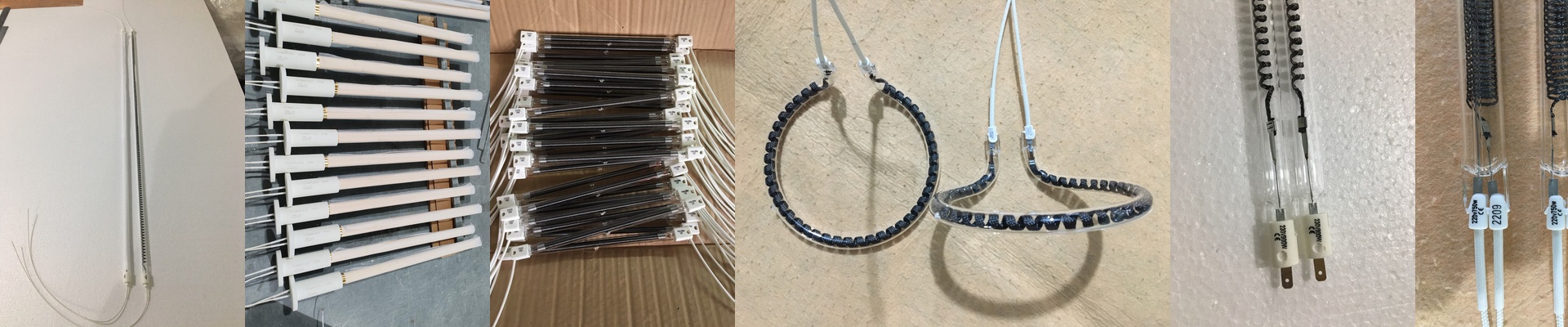
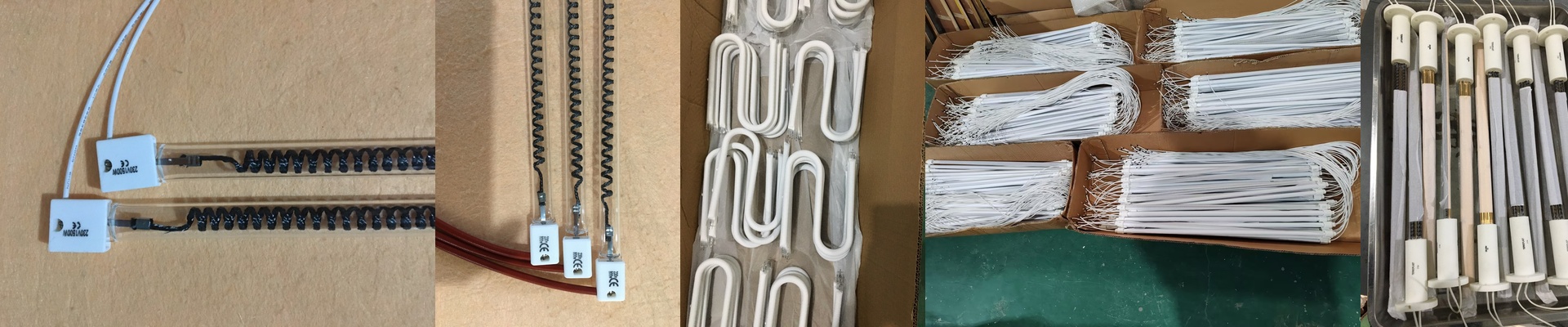
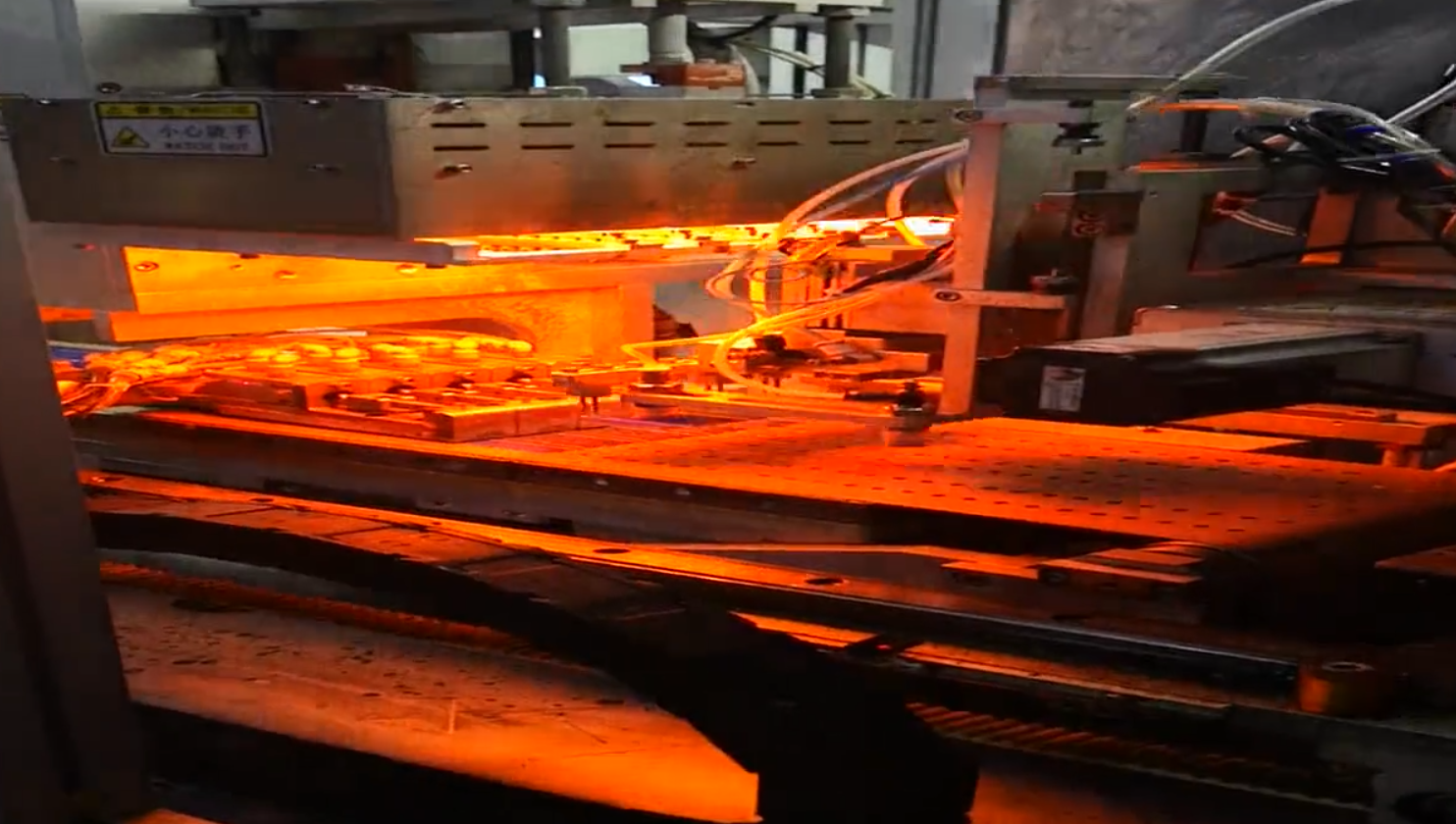
Think about how hot air works. It’s basically a blow-dryer for electronics. You’re pushing a wall of hot wind across the board, just hoping enough of that heat soaks through the chip to melt the solder. The problem is the “wind” part. One wrong move and you’re chasing a 0201 resistor across your workbench. It’s stressful. IR is a completely different animal. Instead of blowing air, it sends out electromagnetic waves that go right through the component packaging. It hits the molecules inside the chip and the solder joints directly. The heat starts inside the joint. It’s a direct line of energy from the lamp to the solder ball. No wind, no chaos.
Speed and precision
Since radiation doesn’t need air to move the heat, it’s fast. Like, speed-of-light fast. This is a big deal because you can ramp up the temperature quickly without “soaking” the rest of the PCB. When you overheat the whole board, it starts to warp. With IR, you get a much tighter thermal footprint. You’re hitting the BGA footprint specifically, which means you aren’t risking delamination or frying the board just to get one chip off.
The catch
Now, it’s not all magic. IR takes a bit more finesse. You have to be spot-on with your alignment. If your lamp is even slightly off-center, you’ll get uneven heating. That’s how you end up with “cold joints” or a chip that sits tilted. Plus, you can’t just set it and forget it. You have to tweak your power and distance based on what the board looks like. A dark green board absorbs IR differently than a white or blue one. It takes a minute to calibrate, but once you’ve got the feel for it, the results are just cleaner.