Stop Your Infrared Heaters From Warping
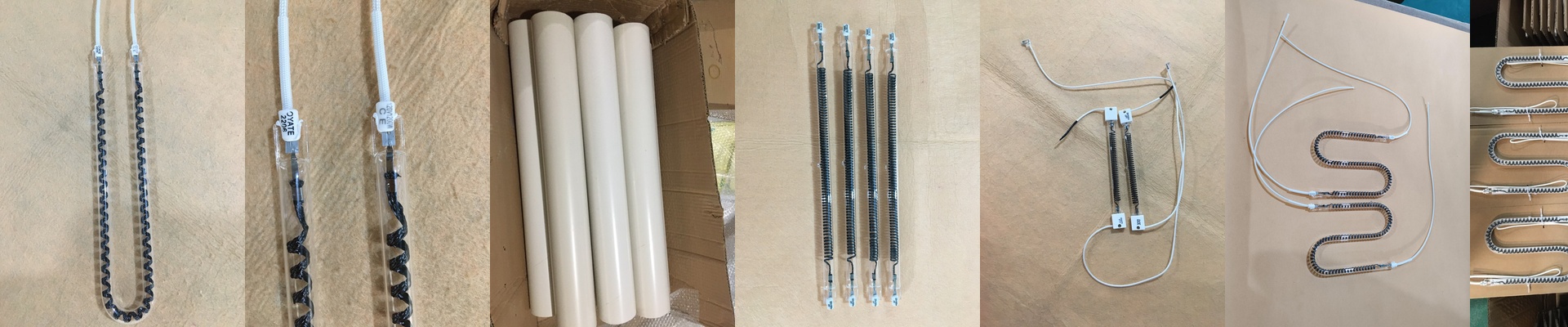
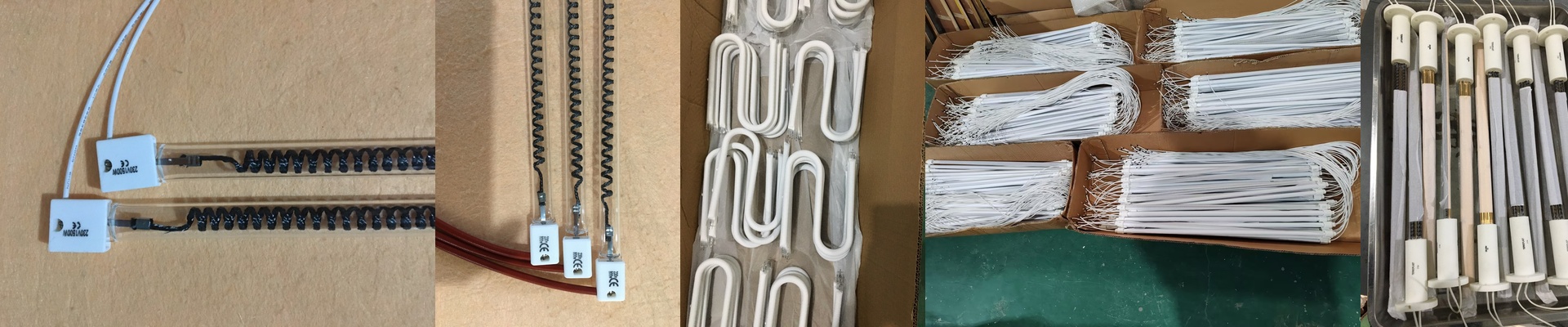
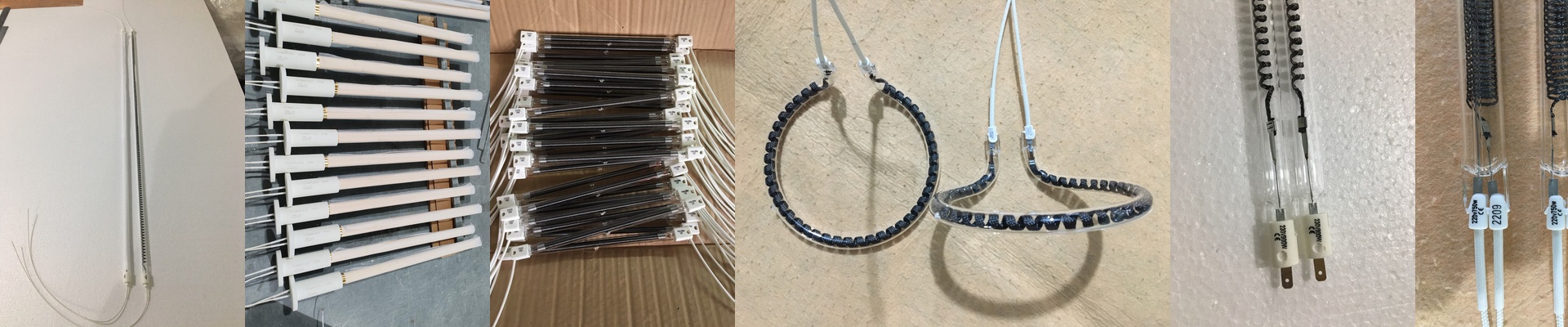
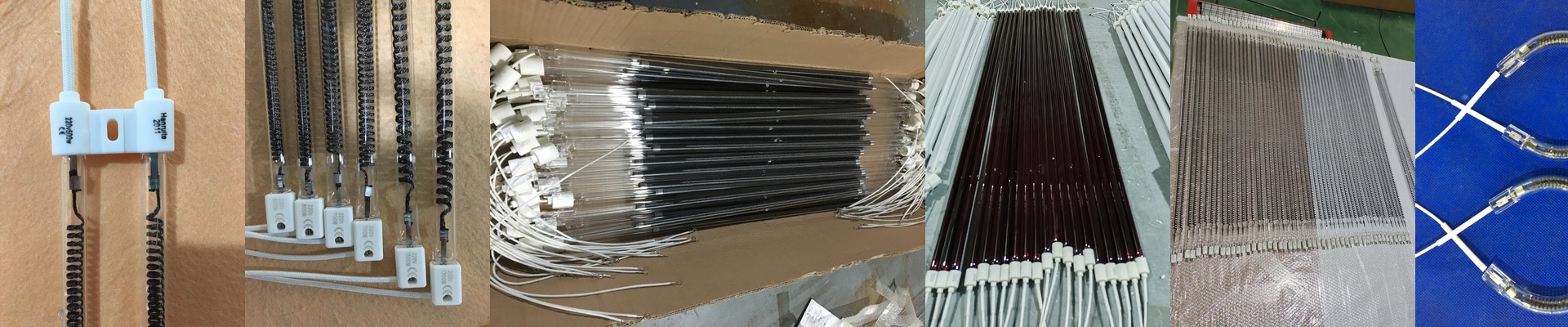
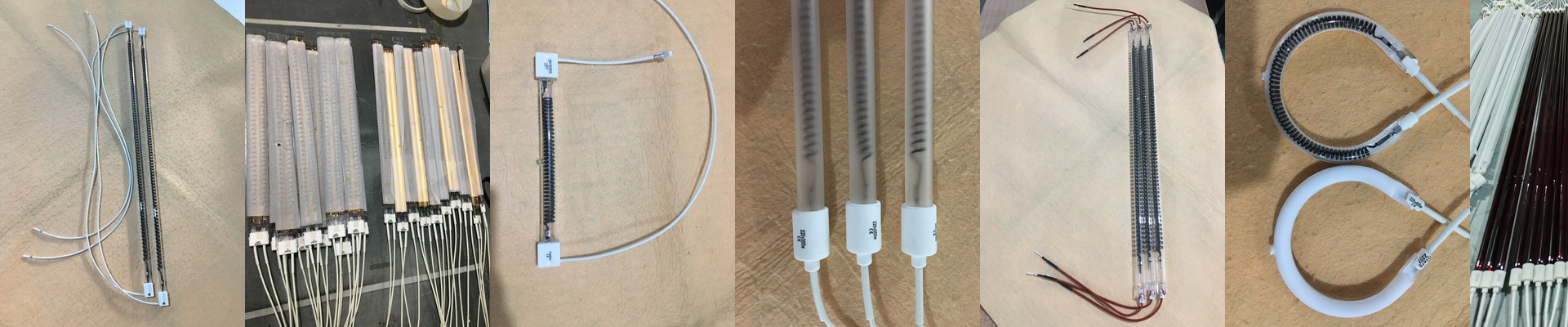
If you’re using infrared lamps for “flash-drying” or pulse-heating, you know the drill. The filament isn’t just getting warm; it’s basically breathing. It expands and contracts violently every single time it cycles. When you’re repairing smart home gear or curing precision electronics, those lamps might click on and off thousands of times. That puts a ridiculous amount of stress on the supports. If a bracket warps or gives way, the filament sags. Then you get a hot spot, and before you know it, the whole thing burns out. Why this happens Think of it as thermal cycling. The tungsten filament grows when it hits peak heat and shrinks when it cools. If your support brackets are made from cheap alloys, those thousands of tiny movements eventually wear the metal down. It loses its grip. Once that filament shifts—even by a hair—the heat isn’t even anymore. To fix this, we use high-nickel alloys. These materials don’t stretch or shrink nearly as much, meaning the bracket actually stays put. We’ve tested these to make sure they hold their alignment for over 50,000 cycles. No guessing games here; we just push the materials until they break so we know exactly where the limit is. The catch Here’s the thing: a bracket that doesn’t warp is usually a stiffer bracket. That’s great for stability, but it means the filament can be a bit more brittle if you bump the lamp during installation. These aren’t your standard living room light bulbs. You’ve got to be gentle with them. If you put too much sideways pressure on the supports, you’re asking for trouble. Making it work We set up the supports to let the filament expand in a straight line. This keeps the quartz glass from feeling the squeeze, which prevents it from cracking under pressure. By locking in that geometry, the heat stays consistent across the entire tube. It just makes the whole repair process a lot more predictable.