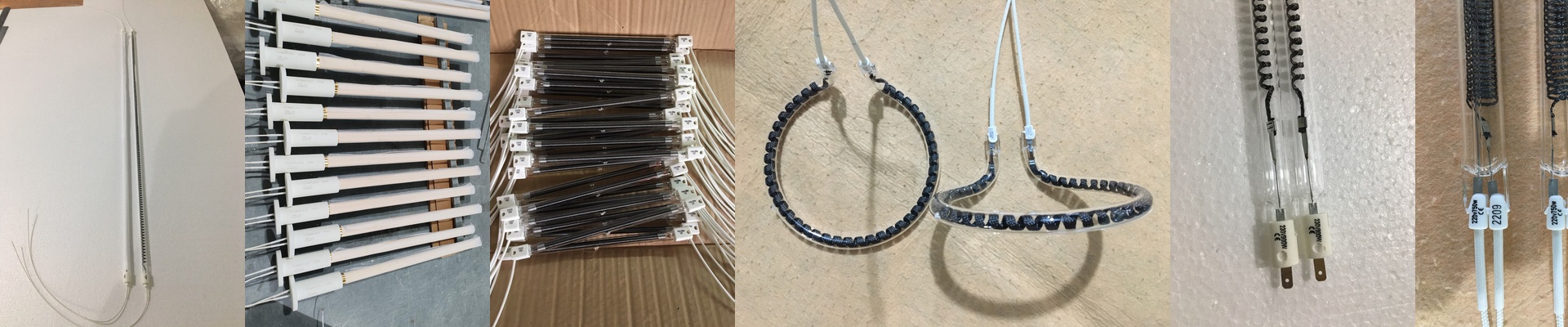
Let’s talk about Carbon Infrared Heaters
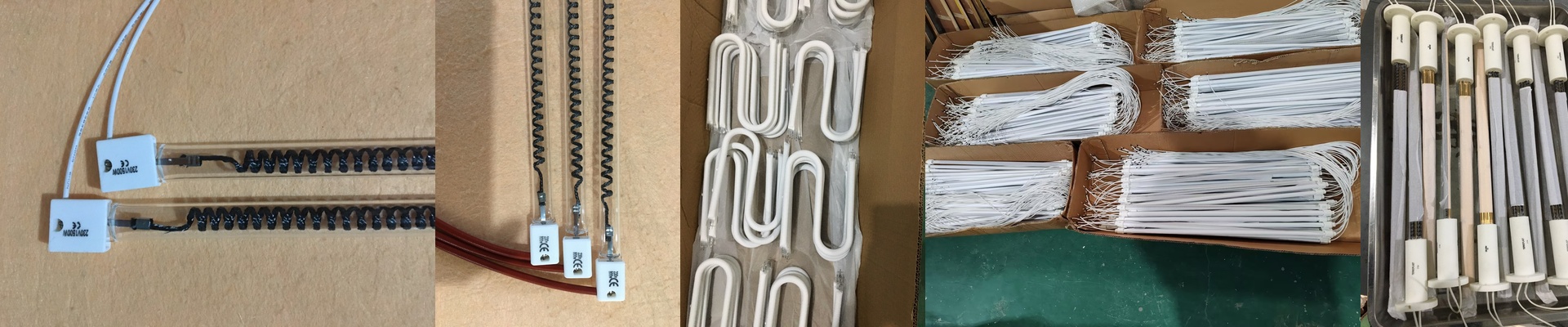
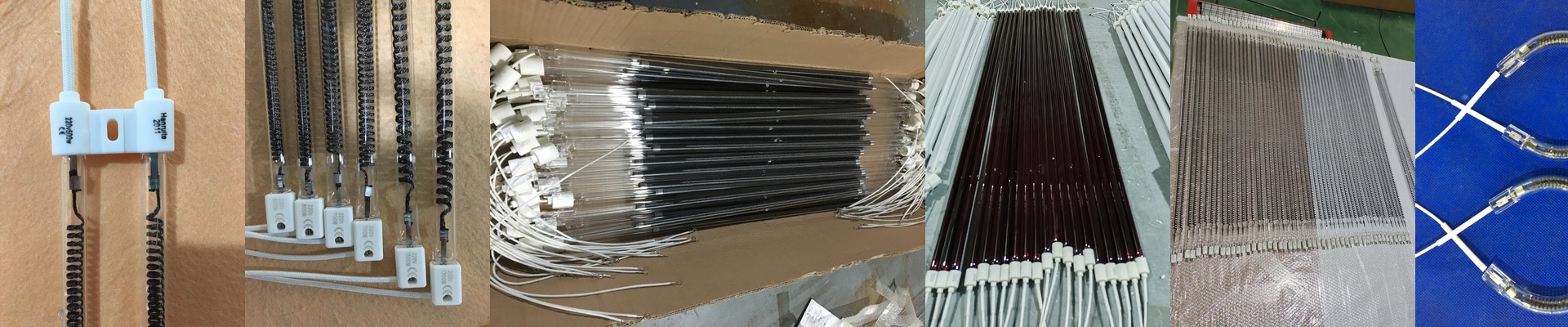
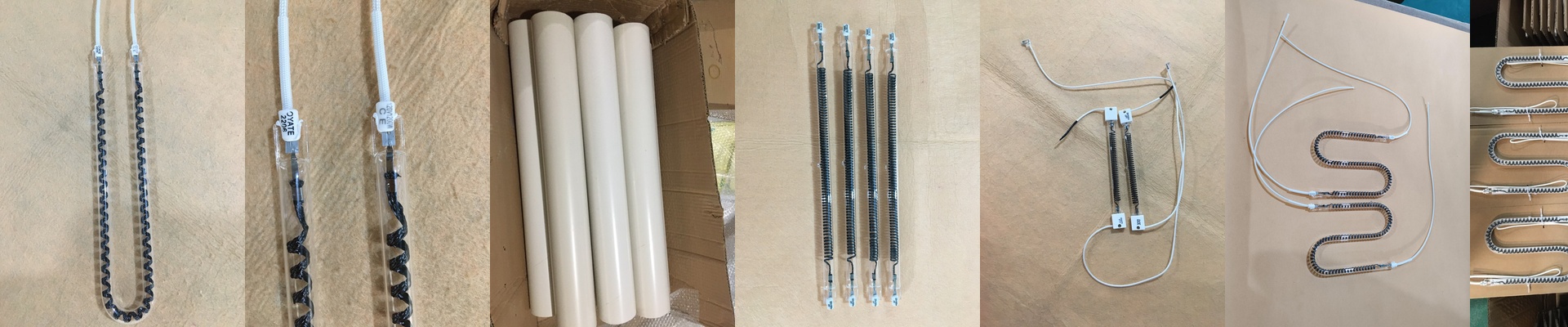
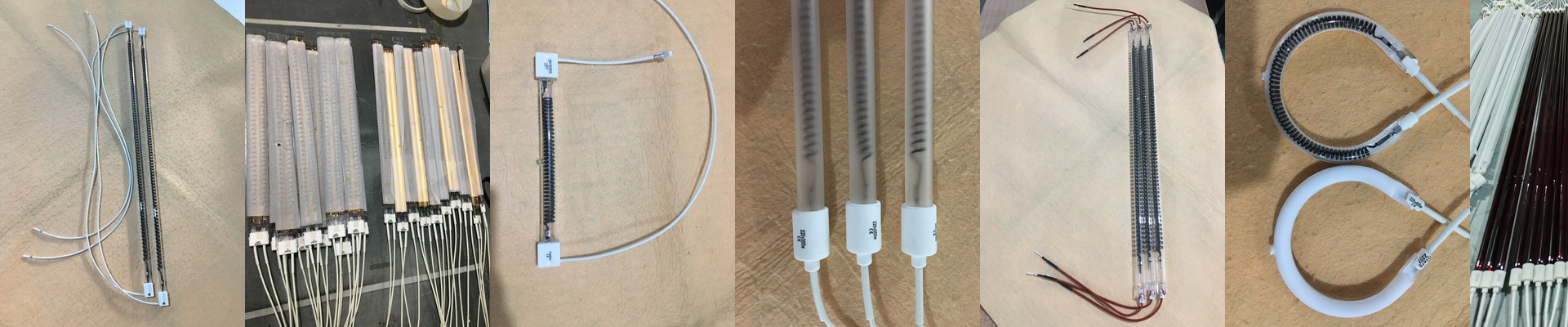
If you’ve ever used standard metal coils, you know the drill. They take their time. But these carbon infrared heaters? They’re a different beast. We use a carbon fiber filament tucked inside a quartz tube to shoot out short-wave radiation. The cool part is that they don’t need to get scorching hot to do their job. They just push out a way higher percentage of infrared energy. If you need something to heat upinstantlyand feel that heat deep inside the material, this is your go-to.
Getting the power right
When we’re figuring out the specs, it all comes down to how much heat you actually need hitting the surface. We usually run these at 230V or 400V. Why? Because it lets you hit your target temperature in a matter of seconds. Plus, going with a higher voltage means you can pull less current. That’s a win for your control panels because you can use thinner wiring. Just a heads-up: keep your power supply steady. If you get a bunch of voltage spikes, you’ll fry the filament, and then you’re back at square one.
The build and the bits
That quartz tube isn’t just for show—it keeps the carbon from oxidizing and burning out. We even offer some coatings that shift where the heat goes. Instead of warming up your entire machine frame, the heat stays focused right where you need it: on the workpiece. For the connections, we stick with R7s or Sk15 bases. They’re easy. They basically just drop right into most industrial housings. More importantly, they keep the electrical contact tight so you don’t have to worry about arcing when the load gets heavy.
Real-world use (and the warnings)
You’ll see these all over the place for curing plastics or blowing PET bottles. The short-wave heat just sinks into the polymer way faster than traditional air heating ever could. But look, this stuff is intense.Really intense. Don’t put these too close to your gaskets or sensitive sensors, or you’ll end up with a melted mess of wiring looms. You also need to make sure your cooling system can handle the ambient heat around the heater bank. If you don’t, things can spiral out of control thermally. But if you wire it up right? You get a tiny footprint and a cycle time that’ll make your old setup look like it’s standing still.