Getting the Heat Right in Electronics Repair
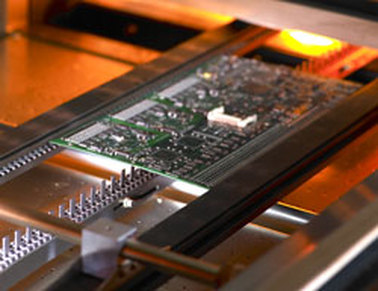
If you’ve ever worked on a smart home device, you know the struggle. The boards are packed tight, and the solder melts if you even look at it wrong. Most standard heat guns are just too blunt. They overshoot the temperature, and before you know it, you’ve delaminated the board or fried a chip. That’s why we focus on what we call precision thermodynamics. In plain English? It’s all about putting the exact amount of heat exactly where it needs to be, without letting it bleed into everything else.
The Trick to Localized Heat
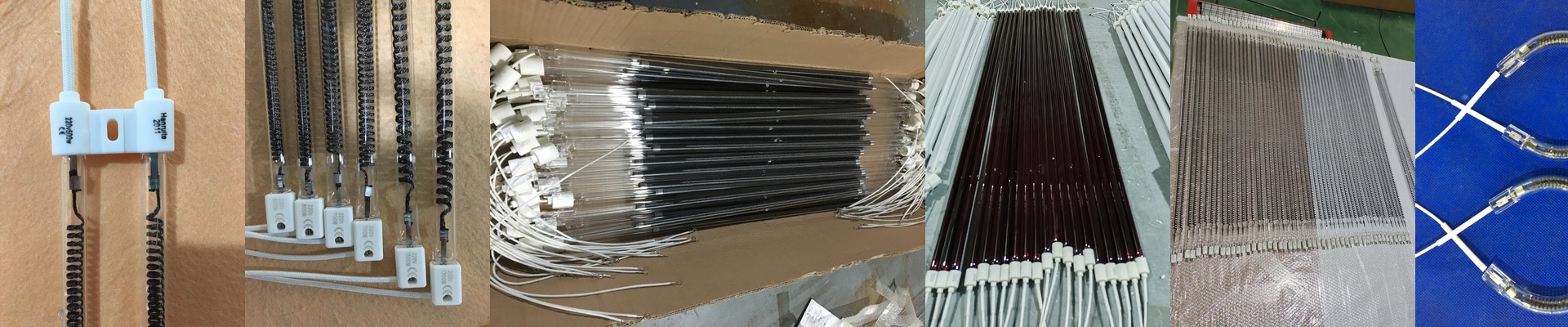
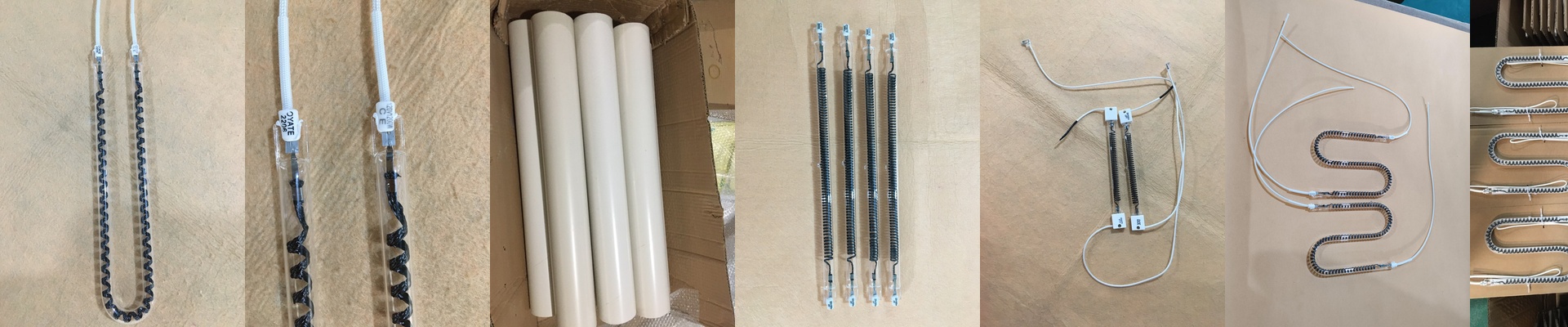
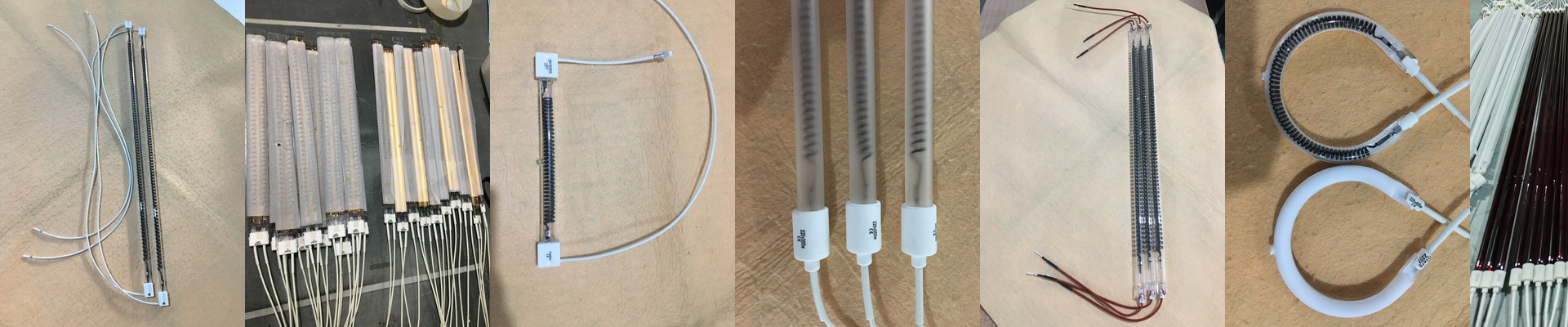
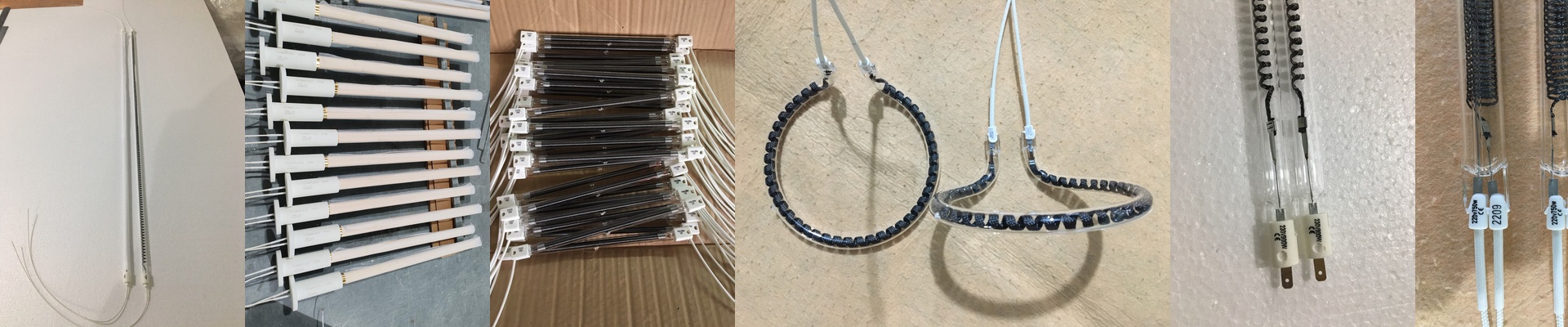
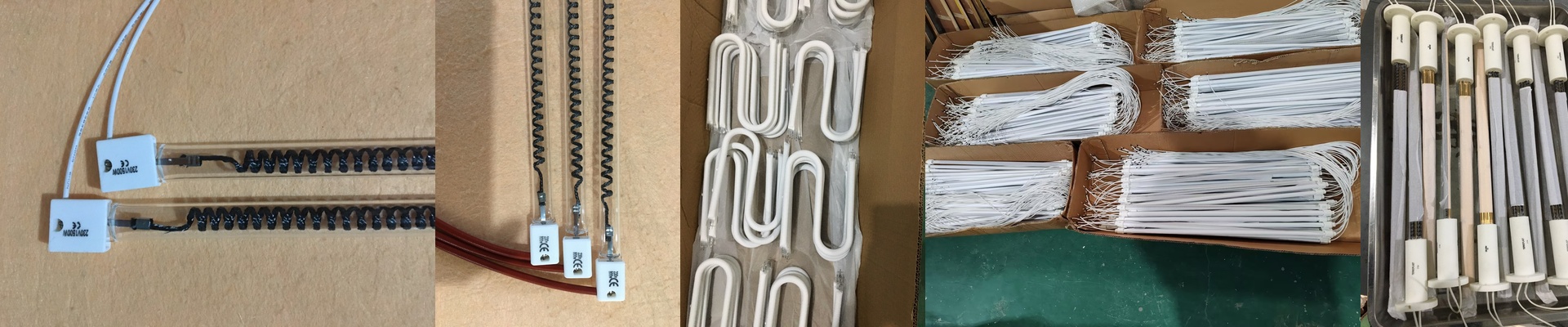
We lean heavily on high-density quartz heating elements. By tweaking how the filament is wound and how much voltage we pump through it, we can control the heat flux. The goal is a high wattage-per-centimeter ratio. This lets you hit that solder melting point in a heartbeat. It’s fast. Really fast. And that changes everything because the heat doesn’t have time to soak into the plastic housing around the board. You want a quick ramp-up and an even quicker cooldown.
Picking the Right Gear
To keep the filaments from burning out during those rapid cycles, we use halogen-filled quartz tubes. They just hold up better. And if you’re building this into an automated station, don’t overcomplicate the wiring. We stick with standard R7s or SK15 bases. They’re drop-in replacements. No weird custom adapters, no loose connections, and definitely no arcing. We also add a special coating to the quartz. It shifts the emission spectrum so the FR-4 board material absorbs the heat better. It puts the energy right into the joint, instead of just heating up the air around it.
The Balancing Act
Of course, you can’t just crank the power without a plan. When you squeeze that much heat into a small space, the tube surface gets incredibly hot. This is where your cooling fans and shields come into play. Get the airflow too low, and you’ll warp the PCB. But if you blast it too hard, you’ll be fighting the heater just to keep the solder melted. It’s a bit of a dance. You have to balance the airflow against the wattage to make sure you don’t end up with cold spots.