Stop Settling for “Good Enough” Infrared Heating
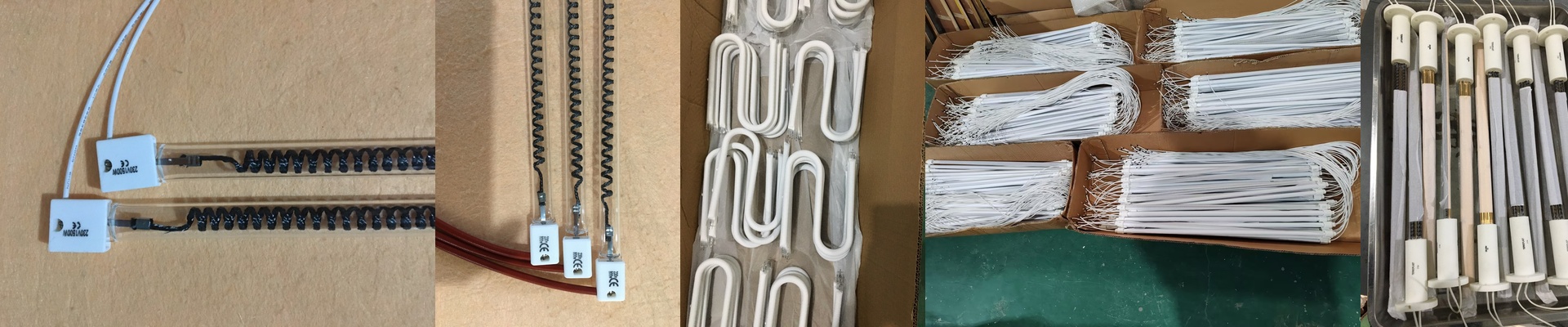
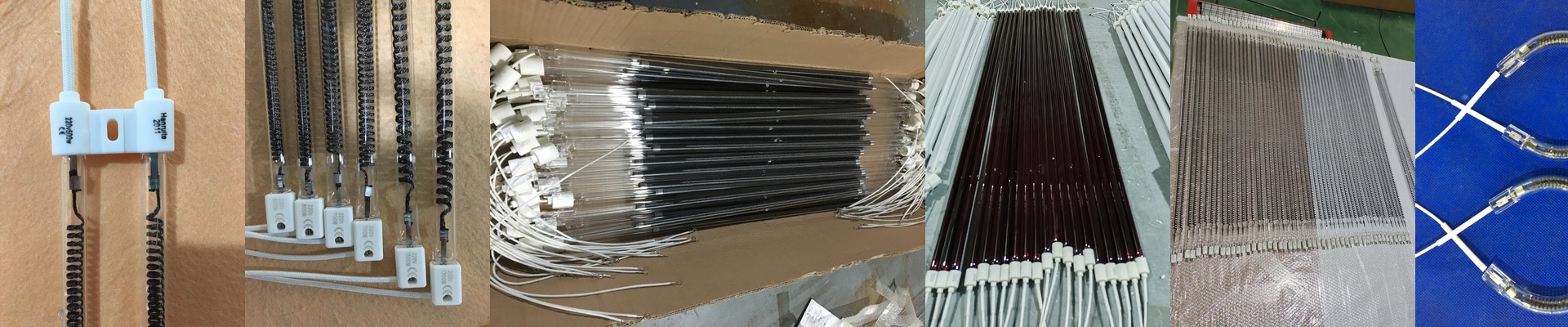
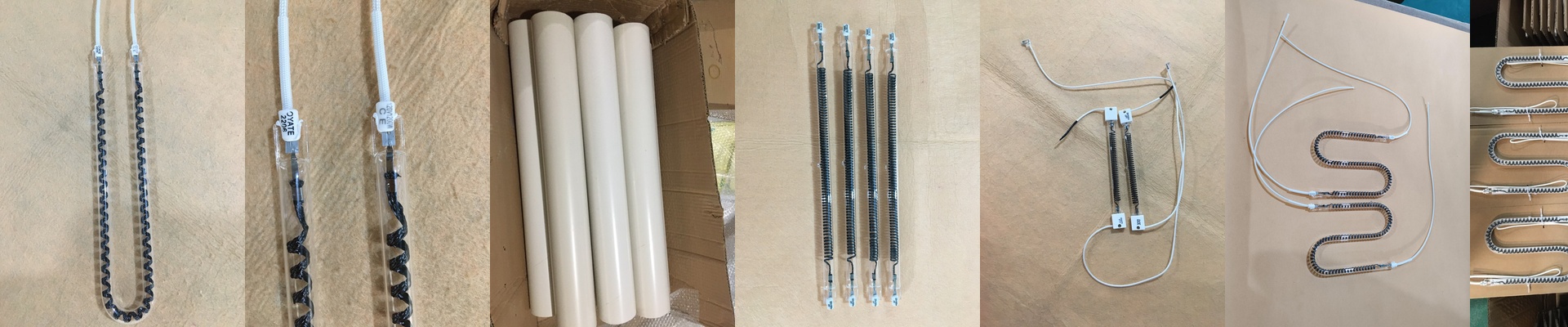
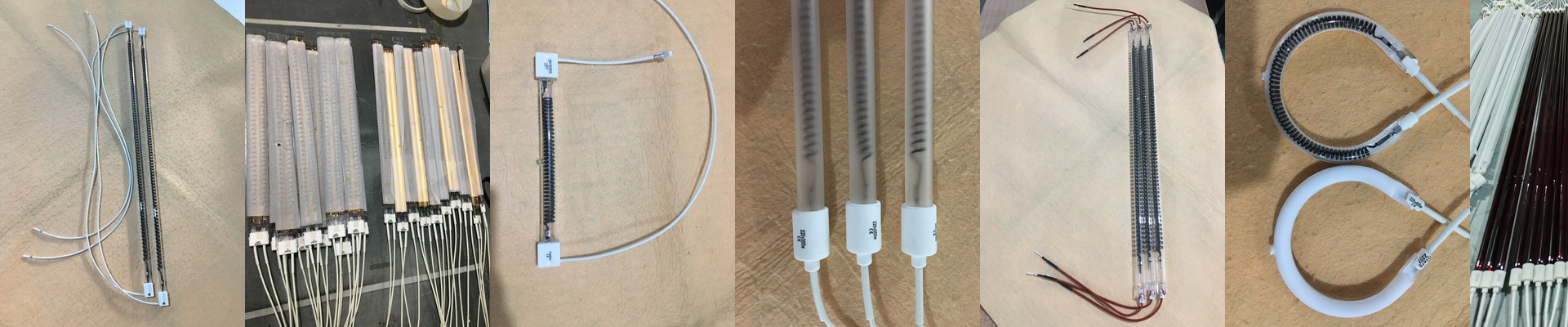
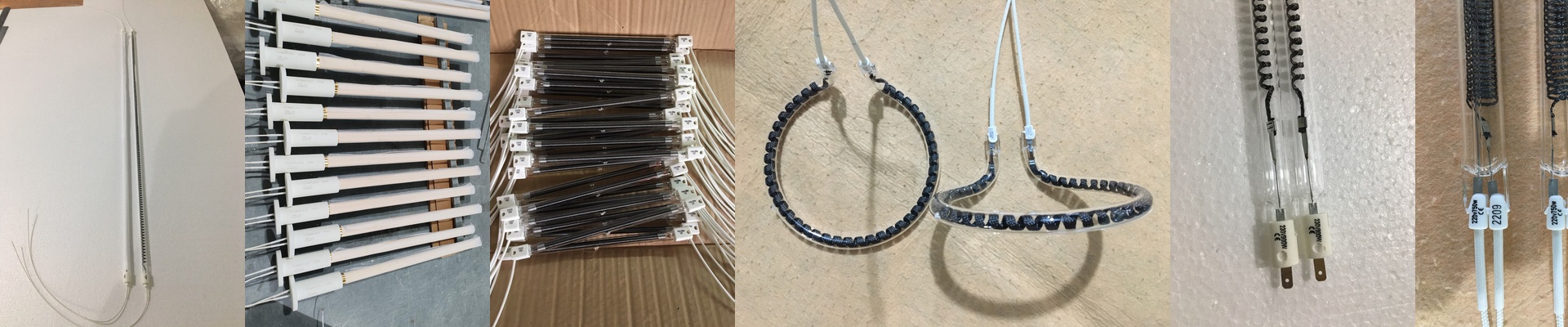
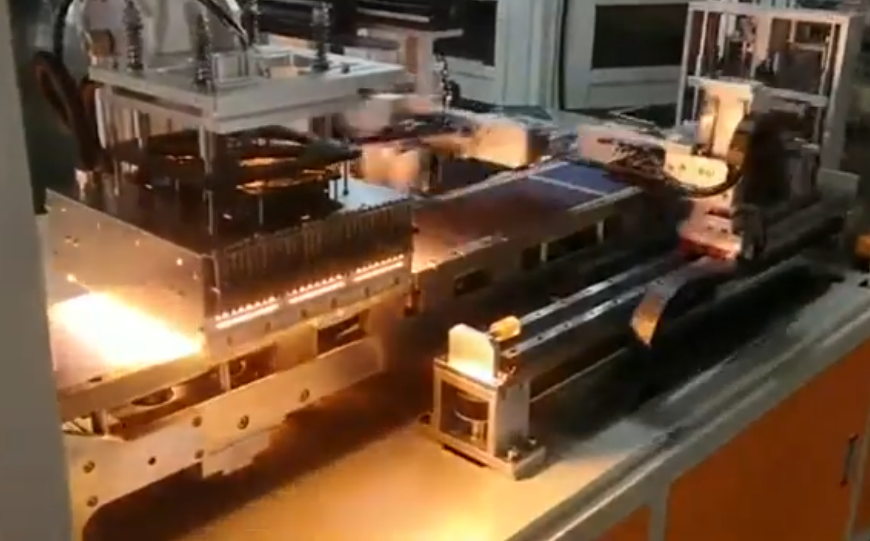
For ten years, we were the best-kept secret in the industry. We spent a decade in the background, building lamps for the big global brands under strict OEM contracts. We were the invisible hand. But we’re tired of being the middleman. We want to take everything we learned on the shop floor and bring it straight to the engineers who actually have to make these systems work. The real struggle with heat density Most people think getting the wattage right is the hard part. It’s not. The real headache starts when you push high power through a quartz tube. That’s where thermal stress kicks in. We spend our time obsessing over the balance between voltage and length. Why? Because if that balance is off, your filament burns out way too soon. And it’s not just about raw heat. It’s about how fast that energy actually hits your target. If your voltage is off by even a tiny bit, you’ll get hotspots. And hotspots ruin your substrate. Plain and simple. The stuff that actually matters: Materials We stick to high-purity quartz and halogen gas. It keeps the filament clean and means your lamp lasts longer. Then there are the connectors—things like R7s or Sk15. These aren’t just random choices. We use them because they create a tight electrical connection that won’t arc when the load gets heavy. I’ve seen way too many “cheap” replacements fail because the pins didn’t seat right in the socket. When you have a loose fit, heat builds up right at the contact point. Before you know it, your housing is melting. Not a great look. Putting it to work These lamps are built for high-throughput electronics lines. They ramp up fast. They give you the kind of control you actually need. But here’s the thing: there’s always a trade-off. High-density infrared output puts a massive strain on your cooling fans. If your ventilation isn’t up to the task, you’re just shortening the life of your lamp. Our tubes are designed to be drop-in replacements, which makes life easier. Just do yourself a favor and double-check that your power supply can handle that initial surge.