Stop Guessing with Your Heat Lamps
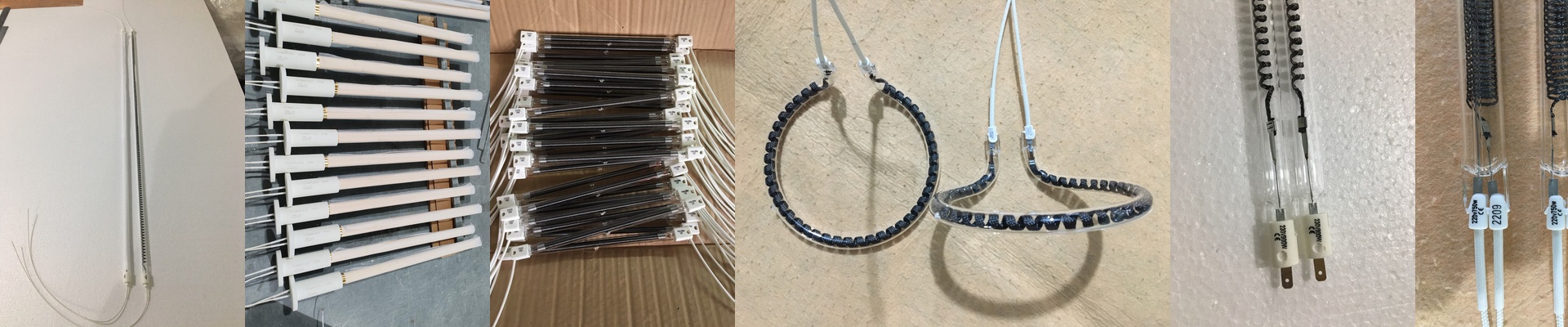
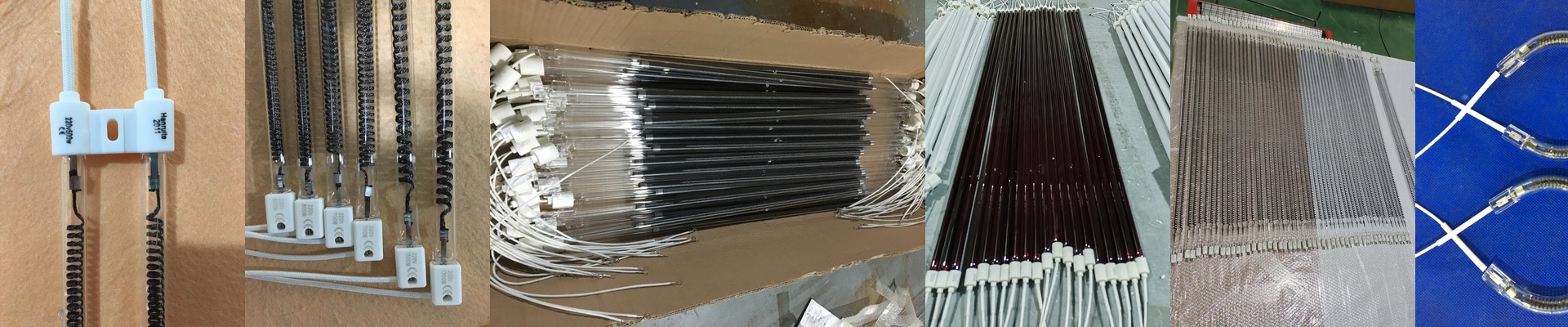
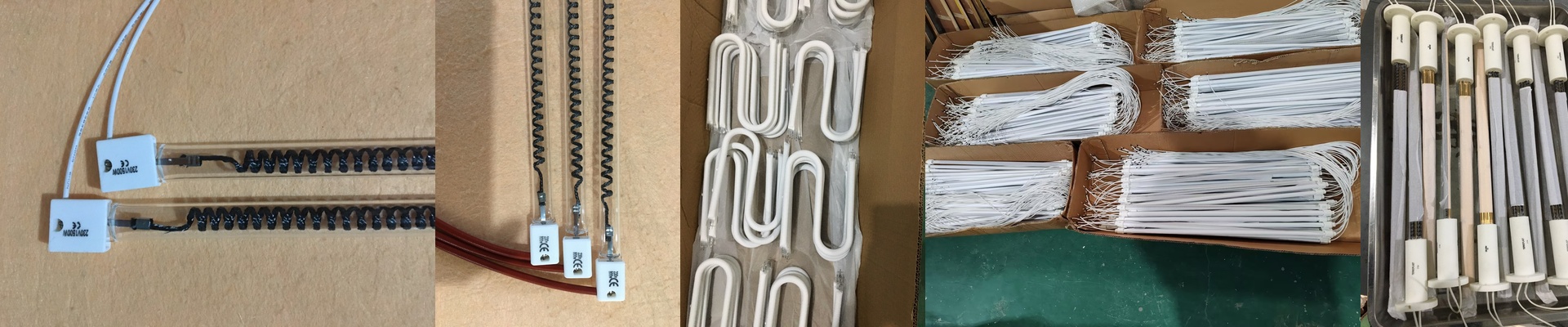
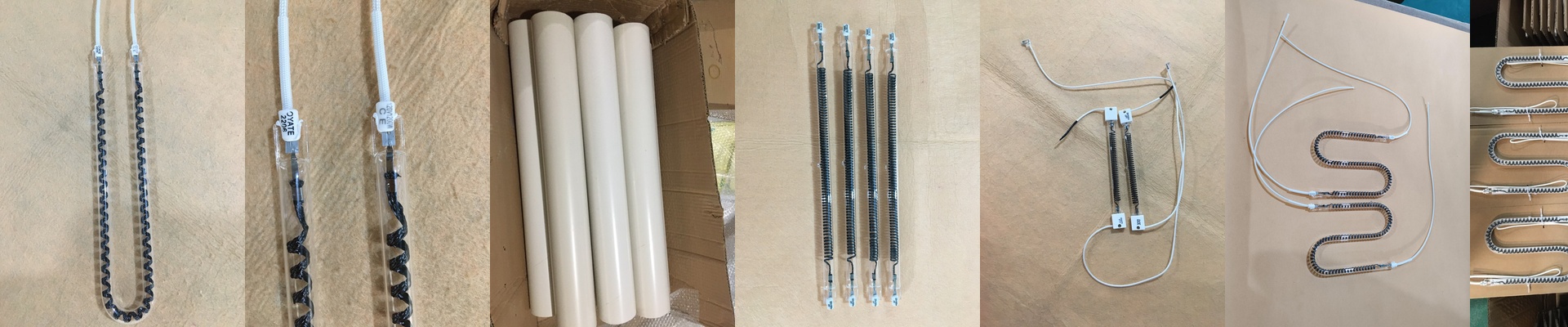
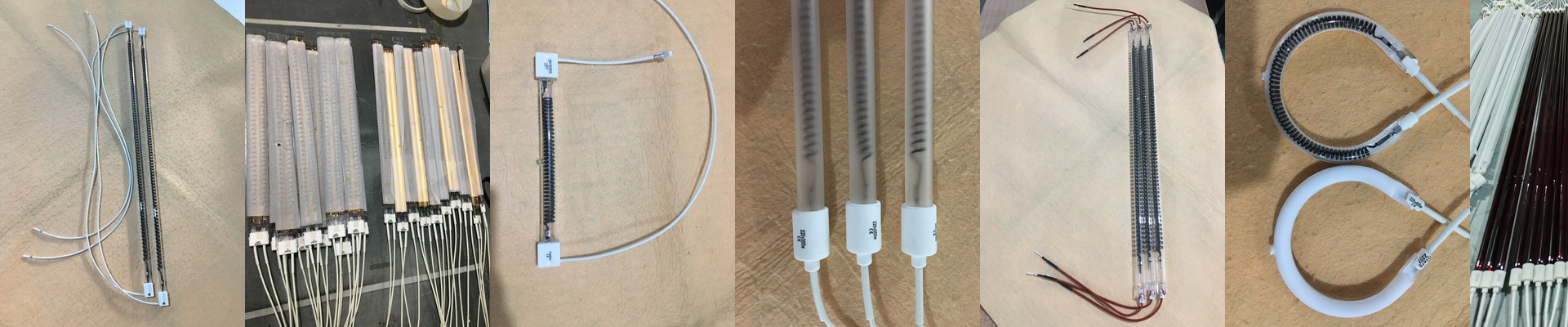
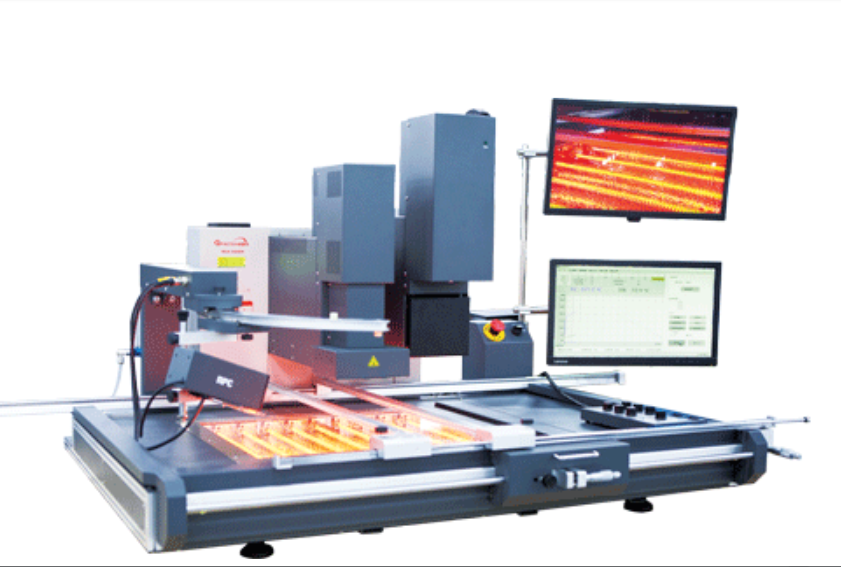
If you’ve ever repaired a smartwatch, you know the drill. You hold a heat lamp over the device, stare at a timer, and just… hope for the best. It’s basically a guessing game. You’re trying to soften the glue without accidentally frying the OLED screen or popping the battery. It’s stressful. And one wrong move means a dead watch. That’s why we’re moving toward systems that actually “think” for themselves. We’re using short-wave infrared (SWIR) emitters now. These are great because they dive straight into the adhesives, getting the job done without cooking the delicate parts of the screen. Getting the heat just right To make this work, you need power that doesn’t jump around. Most of these lamps run on low-voltage DC to keep things steady. If you use a PID controller, you can keep the temperature within a tiny window—about ±2°C. That’s the sweet spot. It means you aren’t risking a “burn out” on those tiny internal components. Now, high-wattage lamps get you up to temp faster, but you have to be careful. If the footprint is too wide, you might start overheating the rest of the chassis. Letting the sensors do the heavy lifting Here is the cool part: the feedback loop. Instead of watching a clock, we use K-type thermocouples or IR sensors to tell the controller exactly what’s happening in real-time. The second the adhesive hits its “glass transition temperature”—the point where it actually lets go—the system throttles the power. You don’t have to hover over the bench. The lamp simply knows when the bond is broken. The reality of the shop floor Now, it’s not all magic. Adding all these sensors means more wires. And more wires mean more things that can go wrong. Sometimes a probe drifts or a lead fails. If that happens, the lamp might cut out too early or, worse, keep firing. You’ve got to calibrate these things every few months to make sure they aren’t lying to you. But honestly? It’s worth it. We designed these to be easy replacements for those old-school heat guns. When you switch to a diagnostic lamp, you stop seeing those heartbreaking cracks caused by uneven heat. It just becomes a repeatable process. Your techs set the target, hit start, and let the hardware handle the hard part.