Stop Replacing Your Smartwatch Repair Lamps Every Few Months
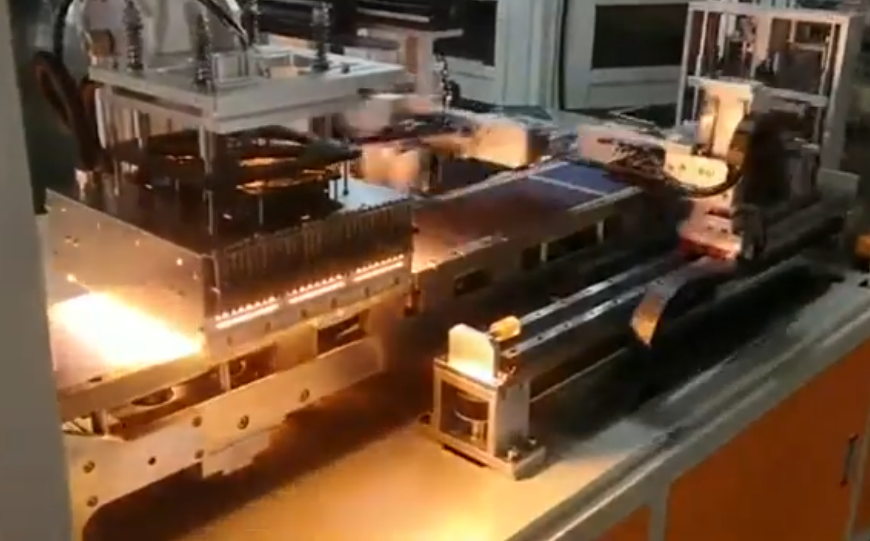
If you run a repair shop, you know the drill. You use short-wave IR lamps to soften the glue on screens and batteries. But way too many shops are just burning through cheap bulbs. It’s a frustrating cycle. You buy a lamp, it dies, you toss it, and you buy another. It’s a waste of money and a headache for your team. We decided to stop chasing “maximum heat” and start focusing on something that actually matters:making the damn things last.
Getting the Heat Right (Without the Burnout)
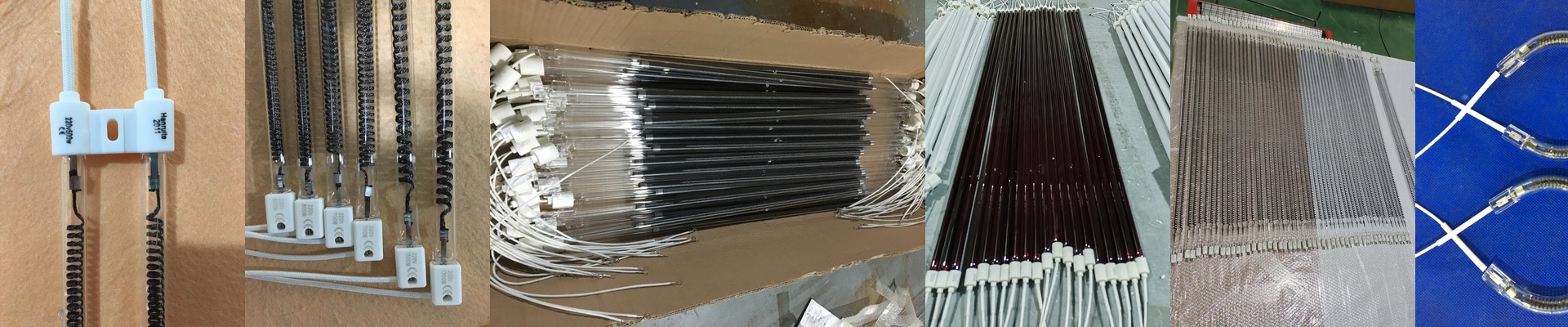
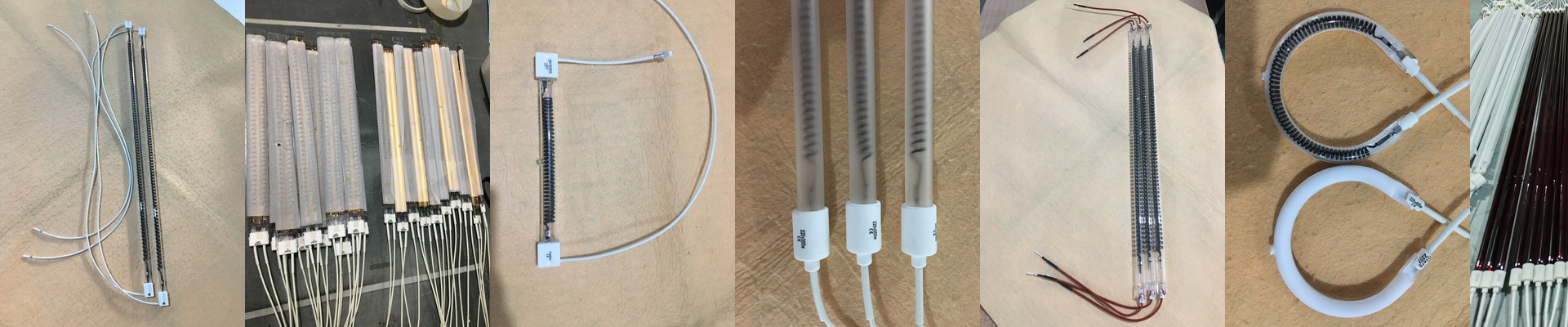
The biggest fear with precision electronics is frying the PCB. You don’t need a blast furnace; you need a concentrated, steady heat footprint. Here is the secret: we don’t run our lamps at 100%. We spec them to hit the exact temperature needed to break down adhesive, but we keep the power around 80%. Why? Because pushing a quartz envelope to its absolute limit is a great way to kill the filament. By backing off just a bit, the heat stays consistent. Your techs aren’t fighting with temperature swings, and your bulbs don’t pop.
Better Glass, Fewer Cracks
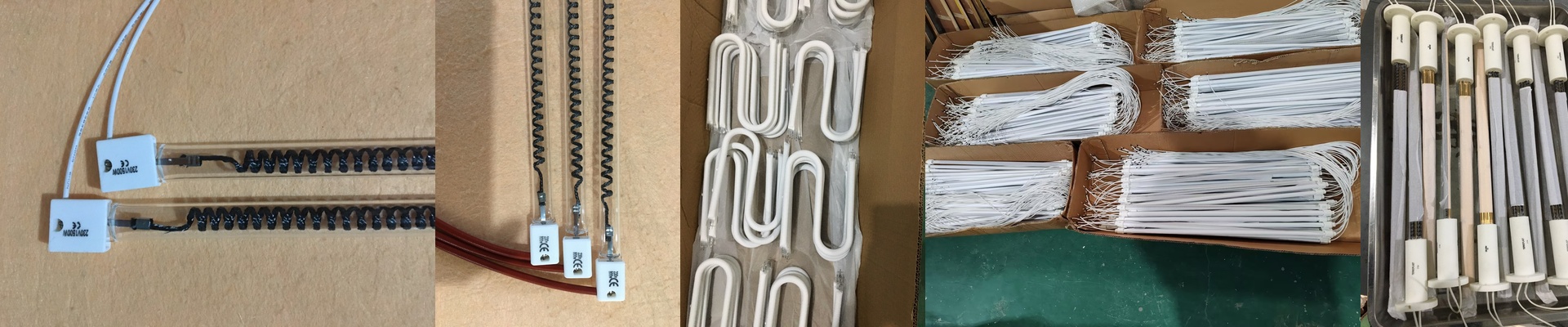
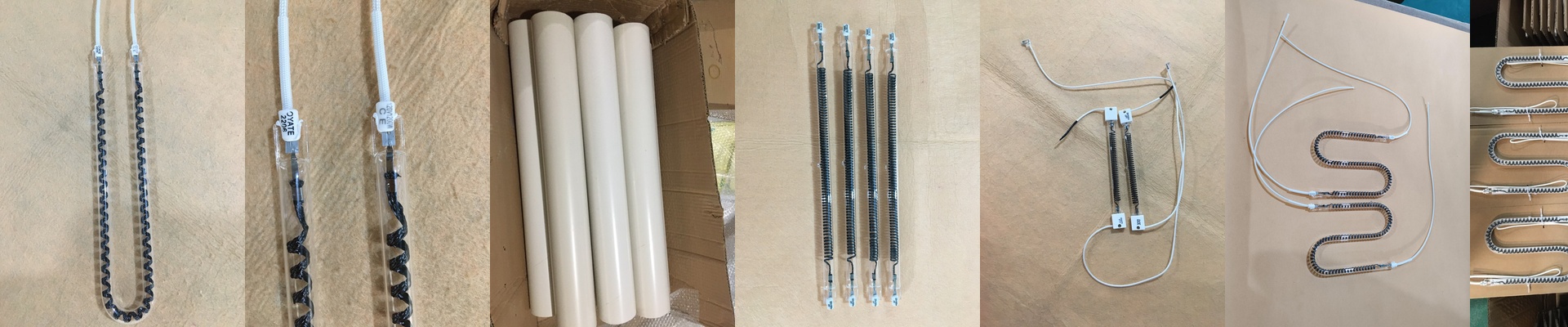
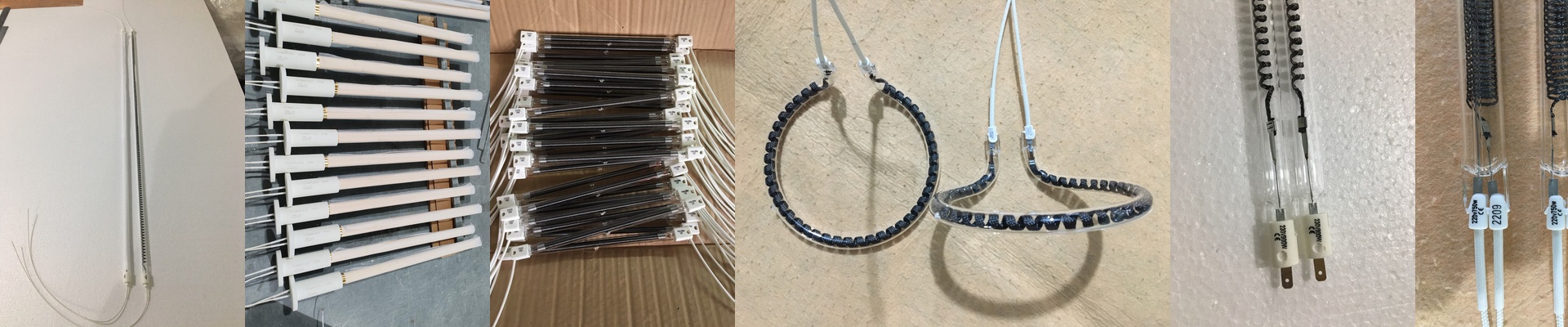
Cheap glass is a nightmare. You cycle the power too fast, and crack—there goes your lamp. We switched to high-purity quartz because it handles thermal shock like a champ. We also beefed up the seals where the lamp connects. This keeps oxidation from sneaking into the filament chamber and eating the bulb from the inside out. Plus, we used standard connectors. No fancy rewiring or custom rigs. You just pop the old one out and drop the new one in. It’s that simple.
The Trade-off: Patience vs. Longevity
Let’s be honest: there’s always a trade-off. If you want a lamp that hits peak heat in under two seconds, you’re going to destroy the filament. It’s just physics. We chose a different path. We used a slightly thicker filament wire. Yeah, it takes a few seconds longer to warm up, butit lasts three times longer. Your power supply has to handle that initial surge of current, but the payoff is huge. You spend less time ordering parts and way less time throwing dead glass into the landfill.