Stop Guessing with Your Glue: Getting Your IR Wavelengths Right
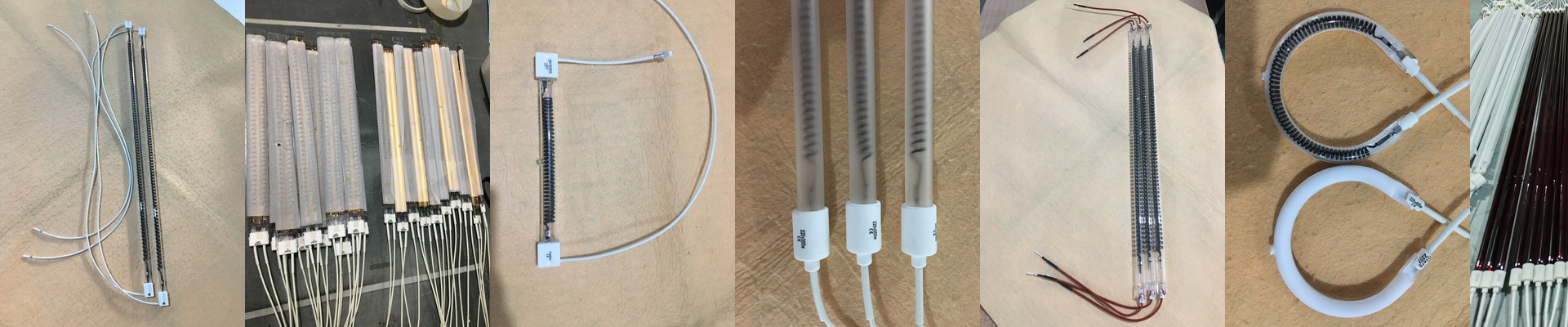
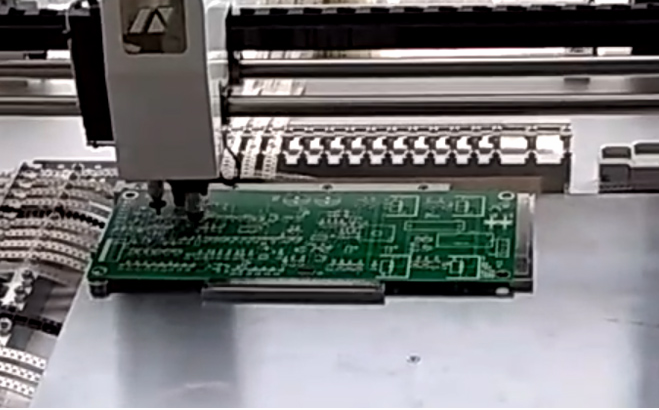
Here is the thing about curing electronic glue on smart meter PCBs: you can throw all the wattage in the world at the problem, but it won’t matter if the glue just isn’t “listening.” If the light coming off your lamp doesn’t match what the adhesive actually absorbs, that heat just bounces off or sails right through. You’re basically paying for electricity that does nothing while your production line crawls. It’s frustrating. It’s all about the “sweet spot.” Most of these adhesives only react to specific infrared bands. Short-wave IR (SWIR) goes deep, sure, but it’s usually not the right tool for thin-film glues. For those polymers, medium-wave (MWIR) is where the magic happens. When the lamp’s output hits the glue’s absorption peak, it’s like flipping a switch. The chemical cross-linking happens almost instantly, and your curing times plummet. The hardware side of things To make this work, we use quartz halogen elements with special coatings. These coatings shift the light to match the glue you’re actually using. It gives you a ton of heat density in a tiny space—which is a lifesaver when you’re dealing with the cramped layout of a smart meter board. But there’s a catch. Fast heat-up times are great, but if you aren’t careful, you’ll end up with “hot spots.” If your conveyor speed is off, you risk warping the PCB. It’s a balancing act between the power of the lamp and the actual mass of the board. Making it work on the floor We didn’t want these lamps to be a headache to maintain, so we designed them for quick swaps. We used standard connectors, so when a tube finally burns out, you just pop it out and put a new one in. No rewiring the whole rack, no downtime. My advice? Grab your glue’s spec sheet first. Match the wavelength to the glue. Once those two are in sync, you’ll see your cycle times shrink without ever having to crank up the voltage.