Stop Just “Heating” Your Glue: The Secret to Faster Smartwatch Repairs
When you’re curing glue on a smartwatch, you aren’t just warming up a piece of plastic. You’re trying to kickstart a chemical reaction. Most techs just crank the heat to the max and hope for the best. But here’s the problem: if your lamp isn’t hitting the right “note,” you’re just wasting power. Worse, you’re risking a permanent heat stain on that expensive OLED screen.
It’s all about the “Fingerprint”
Think of every adhesive as having its own unique absorption fingerprint. If your infrared lamp is pushing out energy at 2.0 microns, but your glue only cares about 3.5 microns, that energy just bounces off or slides right through. It doesn’t actually heat the bond. But when the wavelengths finally line up? That’s where the magic happens. The glue grabs those photons and turns them into heat instantly. You go from waiting minutes to finishing the job in seconds.
Picking the Right Tool
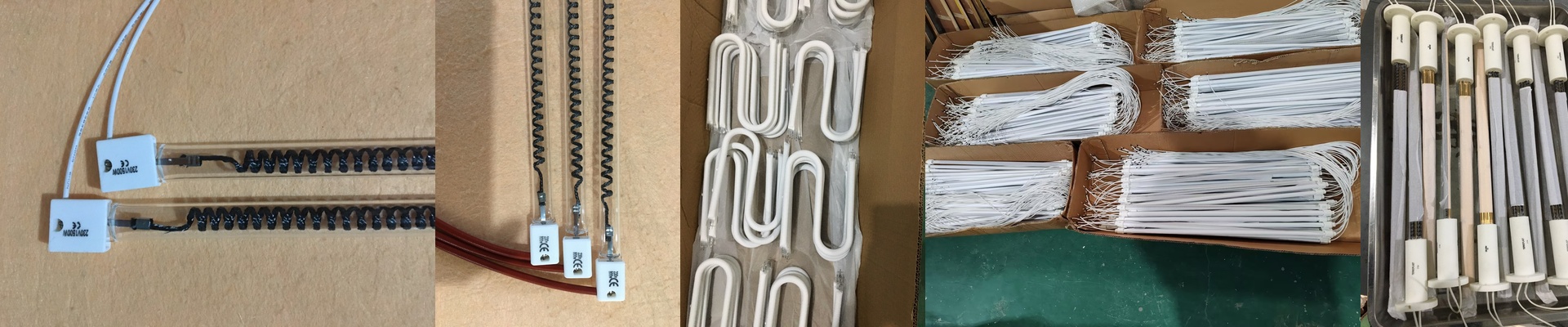
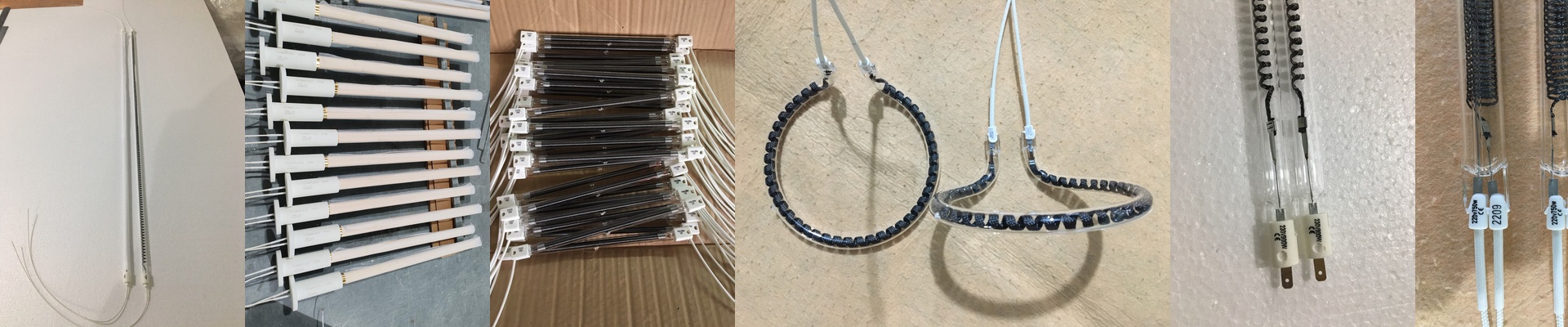
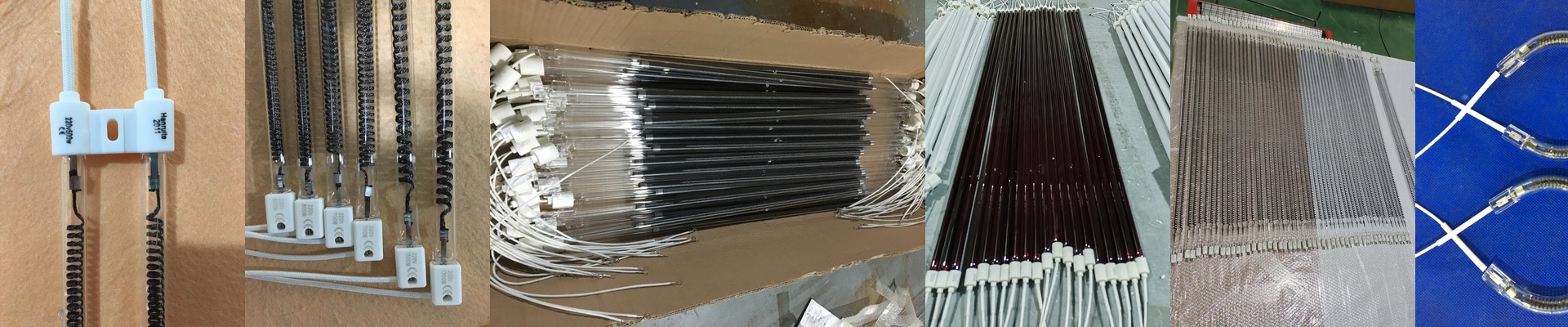
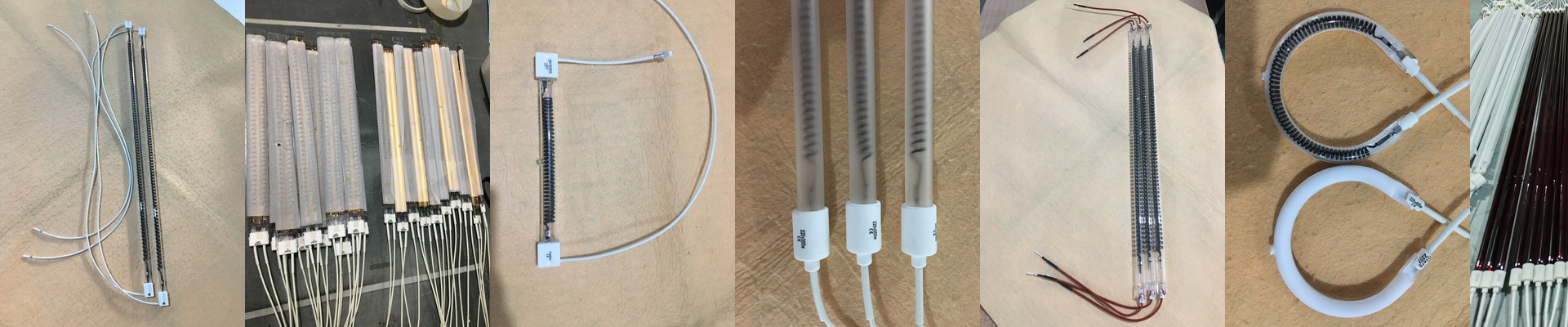
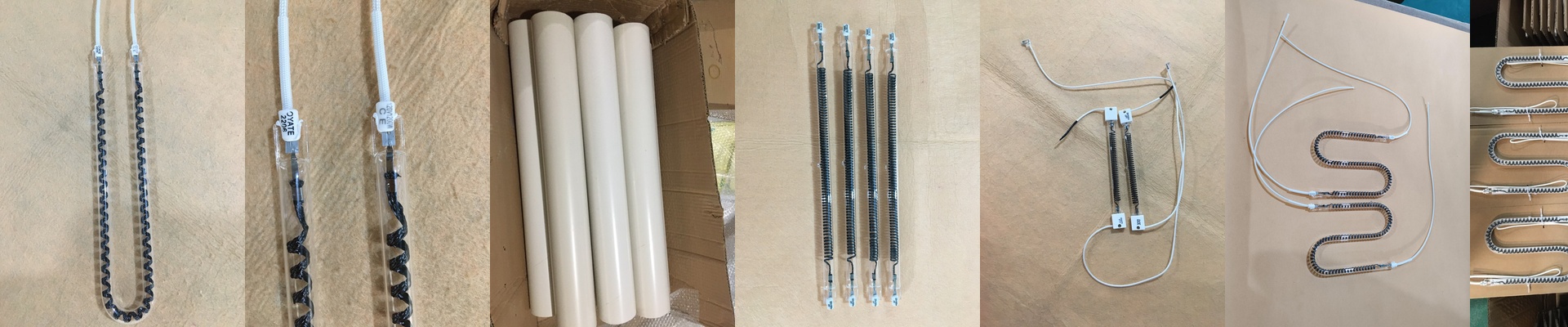
We don’t use generic bulbs. We use specific quartz envelopes and filaments to nudge the light into short-wave or medium-wave IR bands. Short-wave digs deep into the assembly. Medium-wave is your go-to for surface work. For smartwatches, we aim for the sweet spot—the bands that trigger the glue’s polymer chains without melting the plastic housing into a puddle.
The Balancing Act
Now, it’s tempting to just go for the highest intensity possible to speed things up. Don’t do that. Too much wattage leaves you with a tiny window of error. One second too long and you’ve “burnt” the adhesive or caused the glass to crack from thermal expansion. It’s a nightmare to fix. You have to balance the power against the actual mass of the watch. My best advice? Keep a calibrated pyrometer handy. Watch the surface temp in real-time so you don’t melt the bezel while you’re trying to set the glue. Focus on the wave, not just the heat. Your screens will thank you.