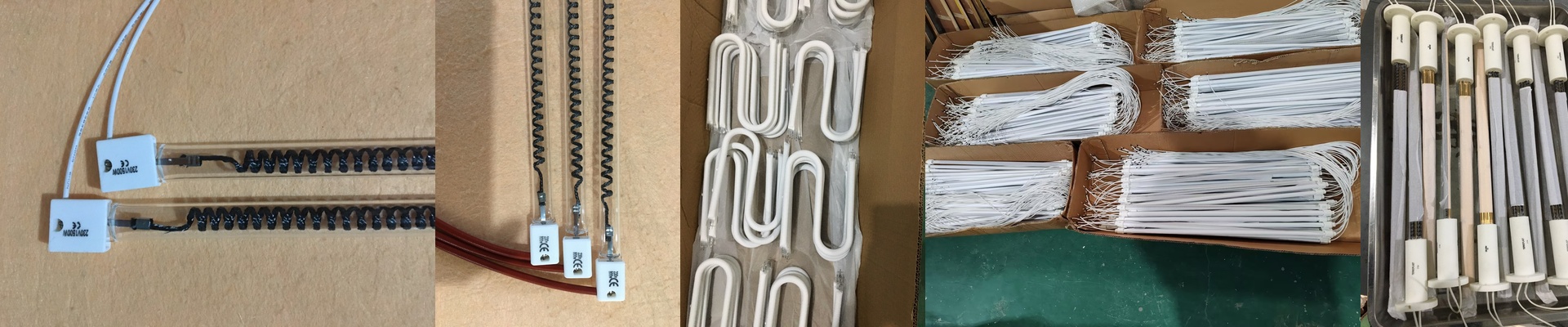

Why we insist on 99.99% Pure Quartz for smartwatch lamps
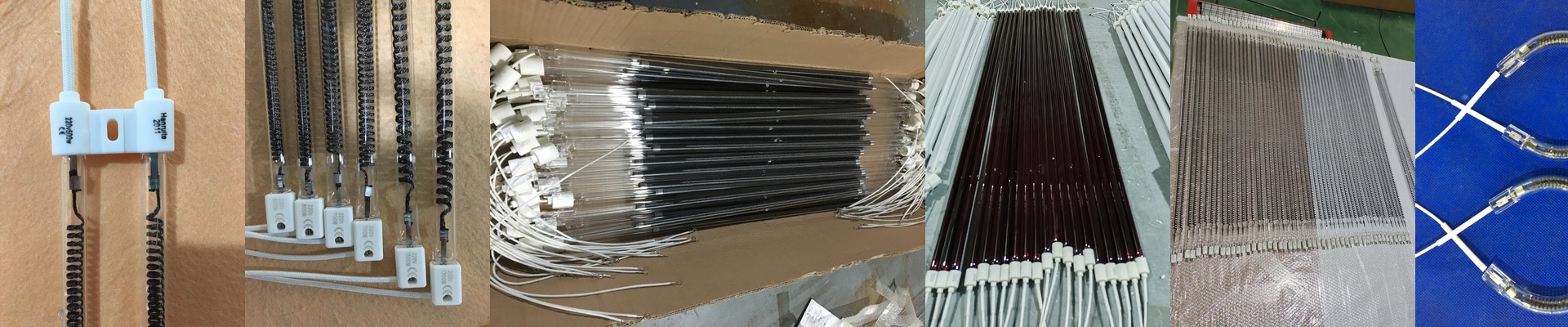
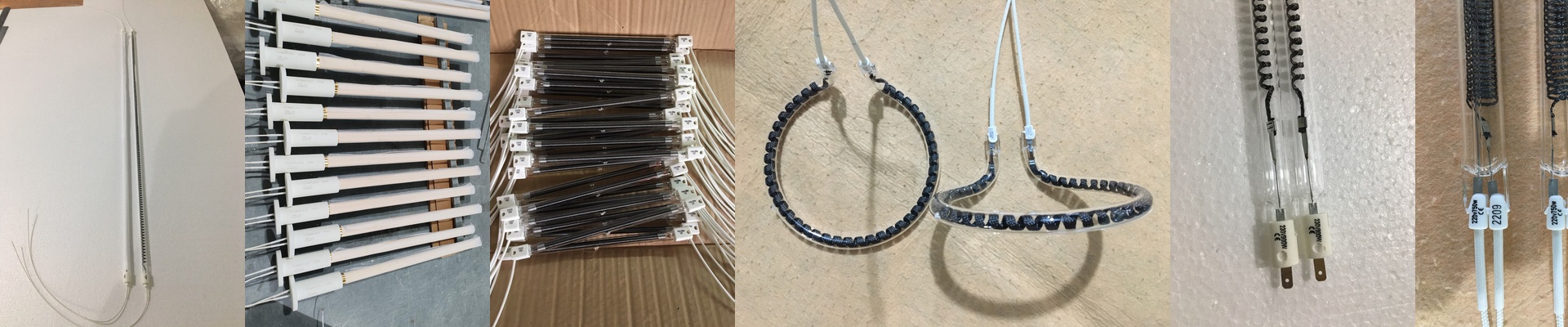
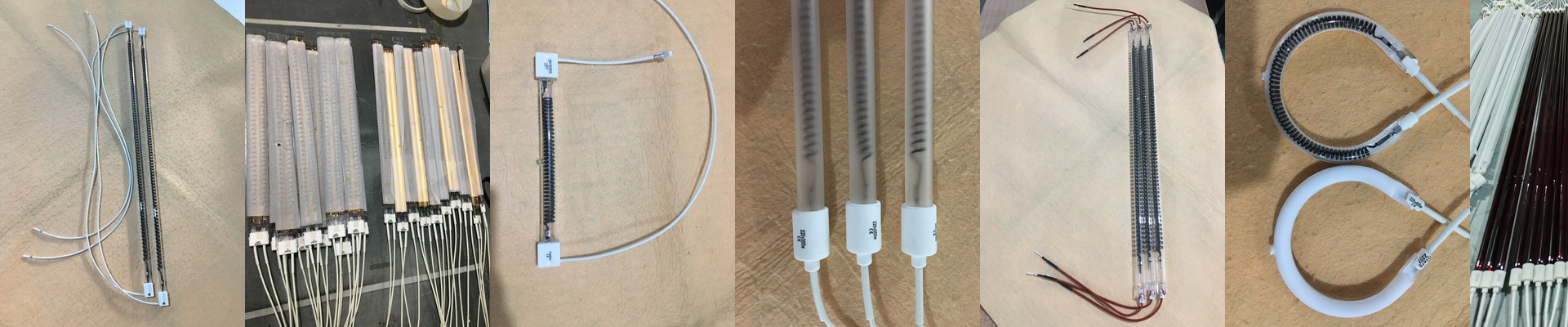
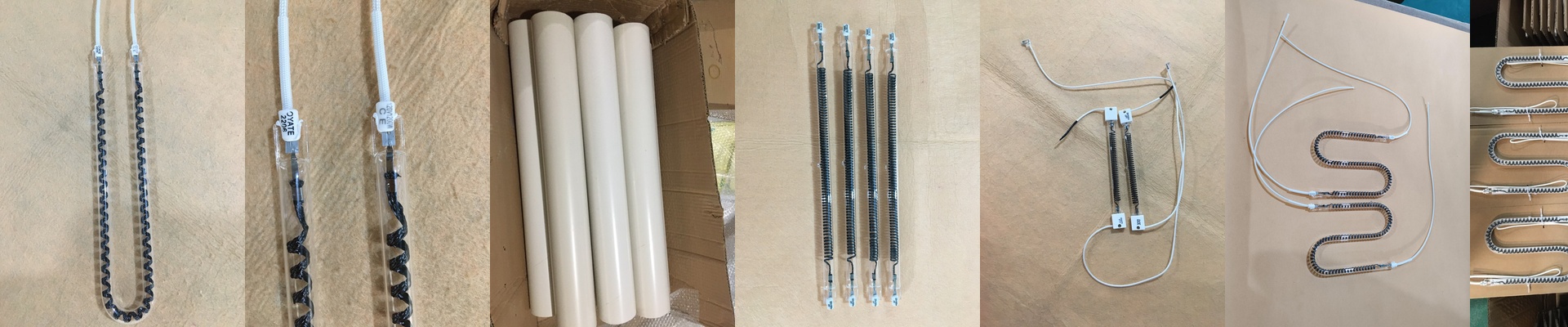
When you’re trying to loosen the adhesive under a smartwatch screen, you aren’t just “warming things up.” You’re hunting for a very specific layer of glue. That’s why we use high-purity quartz glass. Standard glass just isn’t cut out for the job—it blocks way too much of the infrared (IR) energy. Here is the thing about quartz. Most of the industrial stuff out there has tiny bits of aluminum or iron mixed in. Those impurities act like a sponge, soaking up the IR radiation and turning it into heat inside the tube itself. It’s a waste. By pushing the purity to 99.99%, we clear out those roadblocks. More energy actually makes it through the glass and hits the device. Plus, it keeps the lamp from overheating internally, which means your filament lasts a lot longer. Then there’s the issue of heat soak. Smartwatches are tiny. If you heat the whole chassis slowly, you’re flirting with disaster—especially when it comes to the battery. You need a fast, direct hit of energy to get that glue moving without cooking the rest of the internals. High-transmittance quartz makes that happen. It ramps up to the target temperature quickly. Now, there is a catch. These high-purity tubes are a bit more brittle. They can’t take a beating like borosilicate glass can. You have to be gentle during installation. One wrong move or a hard bump and you’ll end up with micro-cracks. We spec these lamps this way so the IR wave hits the adhesive without scattering. Even a tiny 1% drop in purity makes a noticeable difference in how much heat actually reaches the workpiece. If you try to save a few bucks with inferior quartz, you’ll probably find yourself cranking the power just to get the same result. That puts a ton of stress on your power supply and is a great way to burn out your filament. Stick with the 99.99% stuff. It’s the only way to get consistent, repeatable heat every single time.