Getting the Heat Right for Smartwatch Repairs
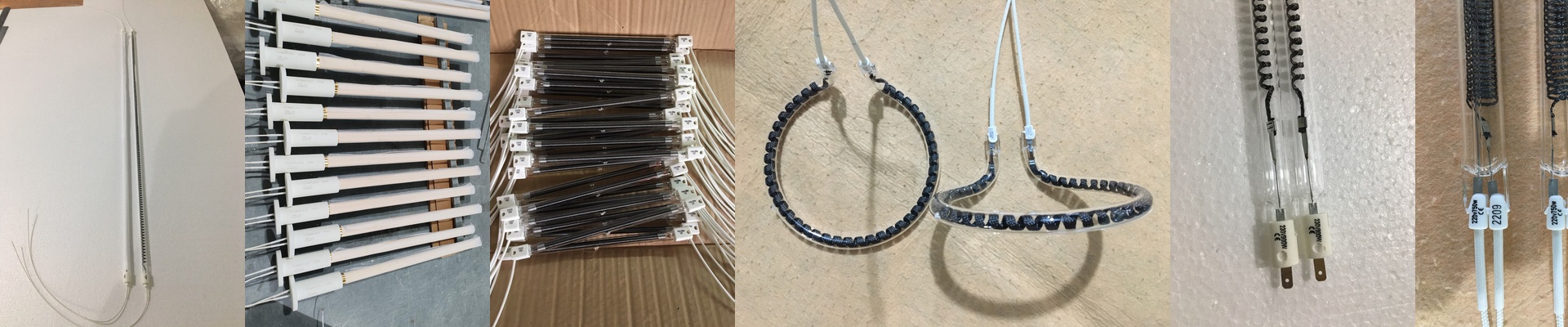
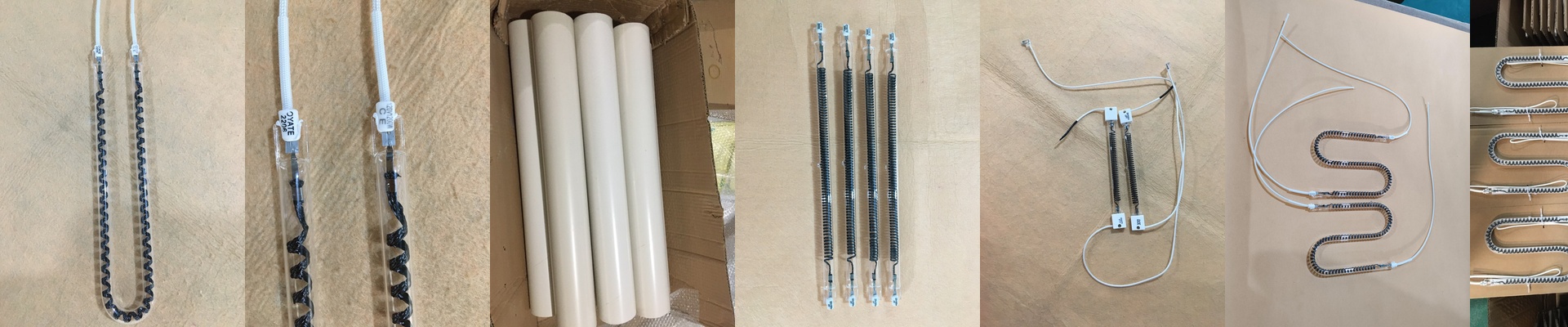
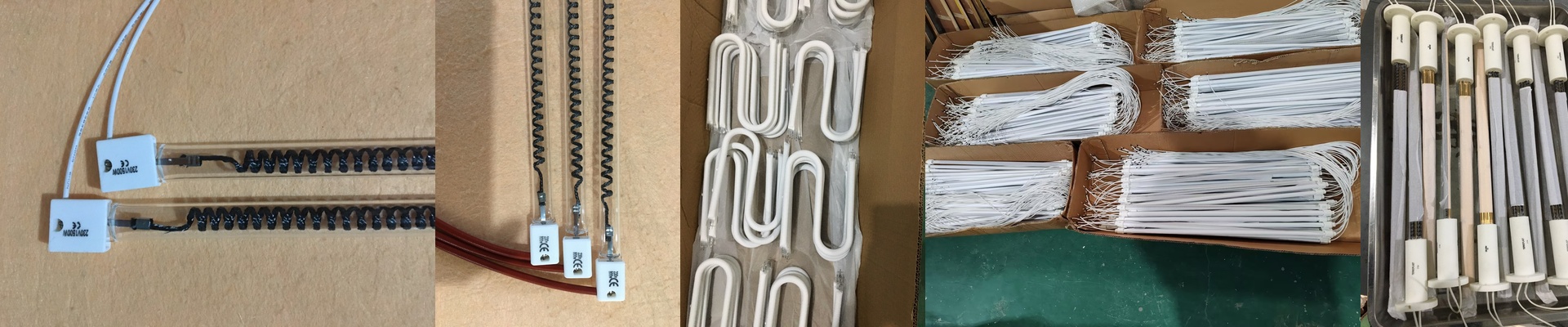
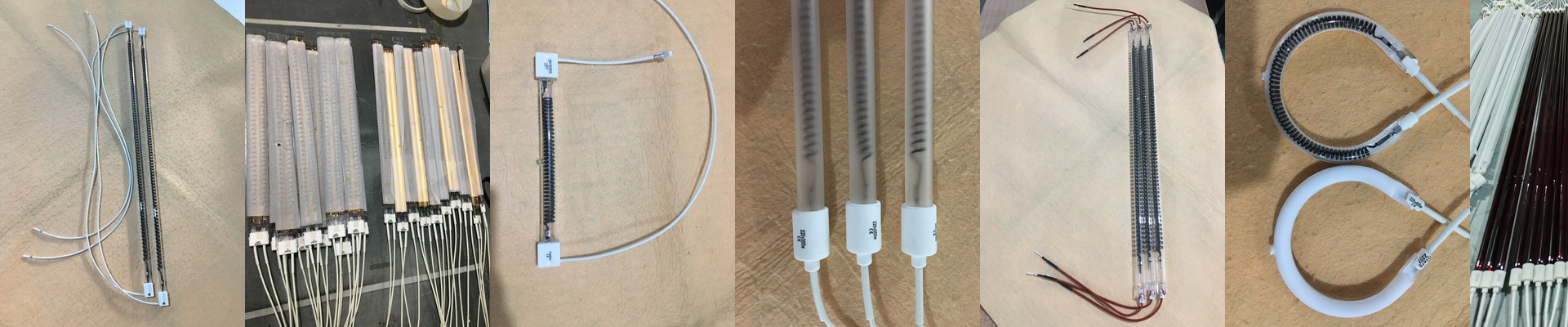
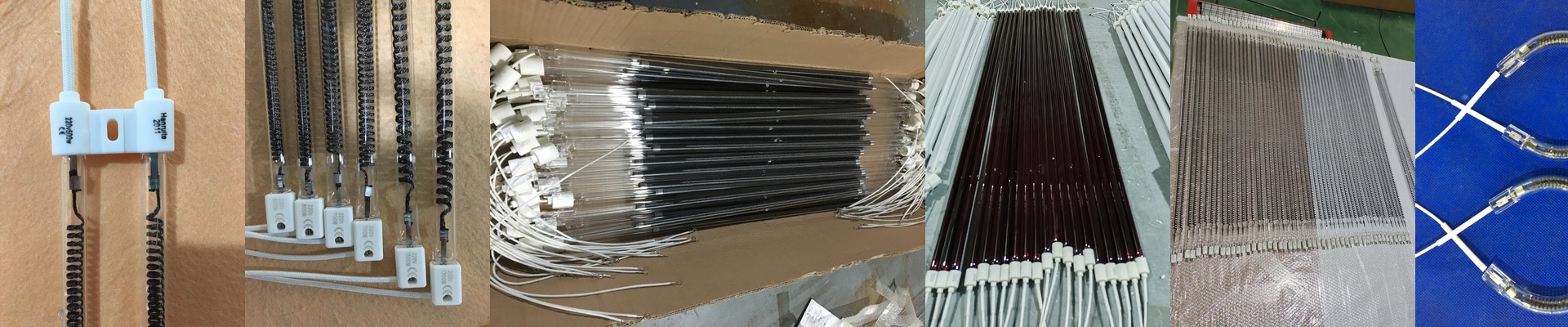
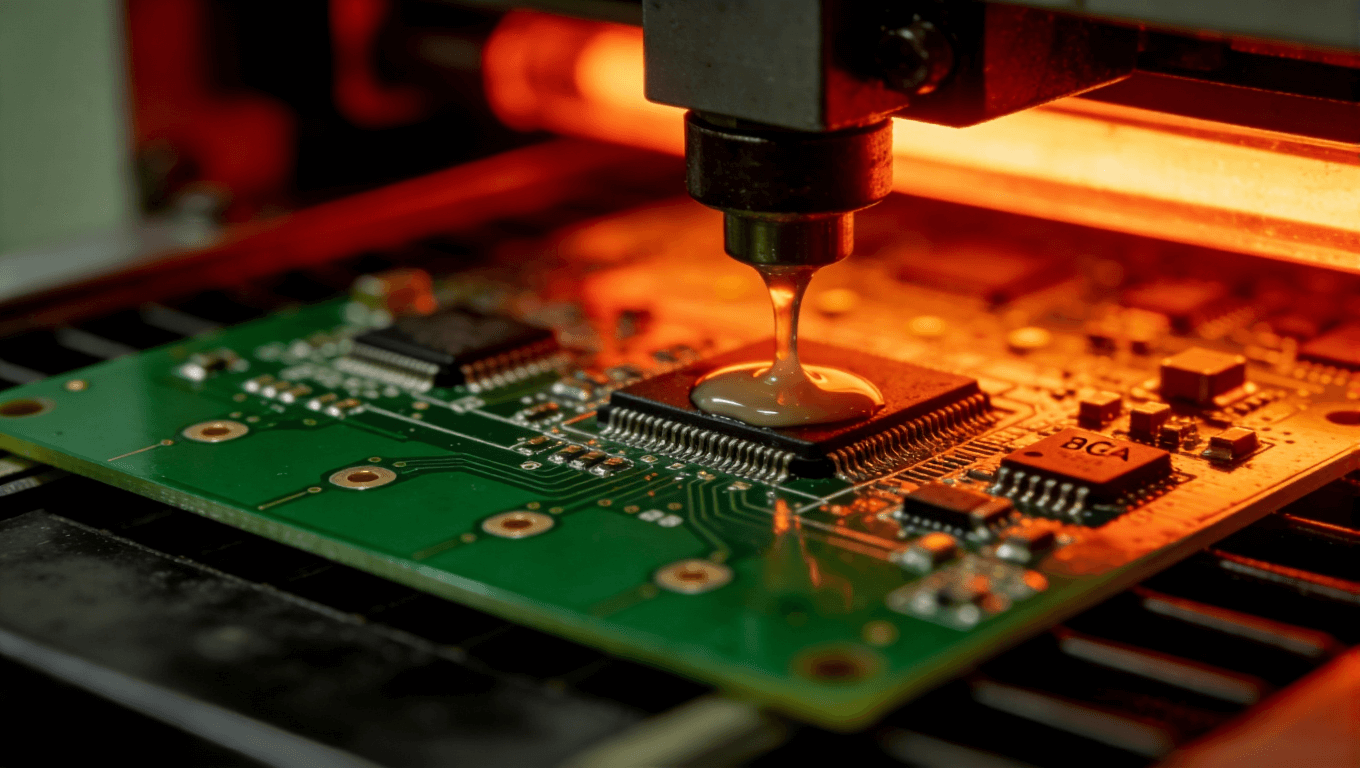
Repairing a smartwatch is a balancing act. You need enough heat to soften those stubborn adhesives, but if you overdo it, you’re going to cook the OLED panel or ruin the battery. It’s a thin line. That’s why we build our infrared lamps to hit that sweet spot. They deliver a concentrated blast of heat that gets the job done in seconds, not minutes. The Power Behind the Heat We designed these lamps for speed. By using high-wattage halogen filaments, the lamp hits its operating temperature almost instantly. The best part? The heat stays exactly where you want it. You won’t deal with “heat bleed” melting the rest of the chassis. Just a quick heads-up: if you’re using a high-voltage setup, make sure your power supply can handle the initial surge. You don’t want to be tripping breakers in the middle of a job. Why Quartz Matters Inside, there’s a tungsten filament wrapped in high-purity quartz glass. We went with quartz because it lets short-wave IR radiation slide right through. Basically, the heat goes straight into the device, not into the lamp housing. If you’re looking for a replacement for a major brand, these are drop-in ready. We also spent a lot of time on the connectors. They fit snug, which stops the arcing at the terminals—something that usually kills those cheap, generic tubes you find online. Real-World Shop Talk These lamps are built for the grind—stripping screens and swapping batteries all day long. You need a tool that stays steady. No flickering, no dipping in power during a five-minute soak. Our performance holds up right alongside the most expensive brands on the market. But here is a pro tip: high heat puts a lot of stress on the quartz. Don’t touch the glass with oily fingers during installation. If you leave a smudge, the tube will likely crack right at that spot. Wear gloves. Keep it clean. It’s a small step, but it’s the difference between a lamp that lasts and one that burns out way too soon.